






Family doctors in England are to trial simple blood tests that could help identify some of the most common cancers far earlier than is currently possible, in a study described as the first of its kind in the world.
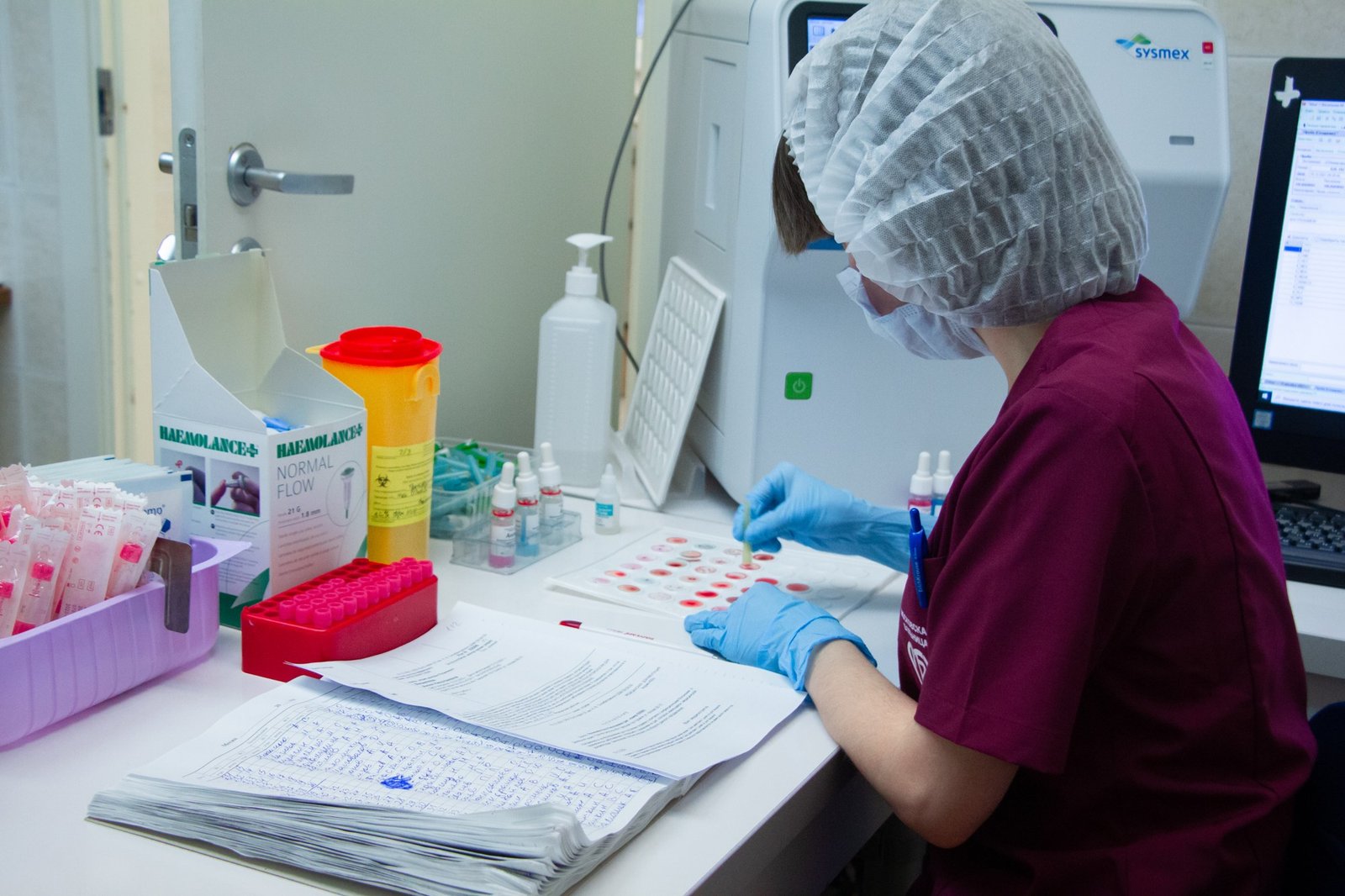
The tests, developed by the University of Birmingham, are designed to look for signs of several cancers in a blood sample and to indicate where in the body a cancer may have originated. The aim is to give general practitioners a faster, clearer route to deciding which patients need urgent investigation and treatment.
The trial will focus on abdominal cancers, including prostate, ovarian, bowel, pancreatic, stomach and liver cancers. These are among the cancers most often diagnosed late, when treatment is harder and survival chances are lower. Britain’s cancer mortality rate is among the highest in the OECD on a per capita basis, underscoring why earlier detection matters.
At least 200 GP practices across England’s National Health Service will take part, covering more than 20,000 patients. People aged 45 and over who visit their GP with abdominal symptoms such as persistent bloating or discomfort will be able to participate.
The tests draw on technologies including artificial intelligence and the measurement of proteins in the blood. Researchers will assess how well they support GPs’ clinical judgement, rather than replacing it, before any decision is made about rolling the tests out nationally.
If the approach proves reliable in everyday general practice, it could change how vague but potentially serious symptoms are handled at the first point of contact with the health service. For patients, the difference between an earlier referral and a delayed one can be decisive, and the trial is designed to test whether a straightforward blood test can reliably shorten that journey.
The trial’s results will therefore be watched closely well beyond England. Health systems everywhere face the same difficulty: spotting cancer early when symptoms are common, non-specific and easily mistaken for less serious conditions. A test that helps doctors separate the patients who need urgent action from those who do not would be a significant advance — provided, as this trial is designed to establish, that it works in real clinics and not only in the laboratory.
Sources: Reuters, “Family doctors in England to use blood tests to spot cancer early in world first”, 4 November 2026, https://www.reuters.com/business/healthcare-pharmaceuticals/family-doctors-england-use-blood-tests-spot-cancer-early-world-first-2026-11-04/