








Several French blood banks were hit by a cyberattack overnight between 1 and 2 November, France’s health ministry said on Wednesday, after hackers interfered with the refrigeration controls used to store blood plasma.
The ministry said the situation was now under control and that there was no impact on the blood products stored in the affected centres. Staff detected abnormal temperature readings in time to intervene before operations were disrupted, according to the ministry’s account.
Reporting of the incident, first broken by the French weekly Le Canard enchaîné, gives a more alarming picture of what the attackers attempted. It says the hackers targeted a refrigeration supplier to the Établissement français du sang (EFS), France’s national blood service, and changed freezer settings from around −30°C to 110°C. Facilities in Bourgogne-Franche-Comté, in eastern France, were among those named.
That 110°C figure needs careful handling. It describes a temperature setting entered into a control system, not a measured temperature inside a freezer or a plasma bag, and no public source has said how high the freezers actually got, for how long, or how many units were affected. The EFS itself, in a statement issued on 3 November, did not give a numerical setting; it said monitoring and alarm systems detected changes at three of its sites, that plasma was moved as a precaution, and that there was no health impact and no loss of blood products.
The EFS also said it was working with France’s national cybersecurity agency, ANSSI, and the health ministry, and had increased temperature monitoring across its equipment. The contractor has been identified in press reporting as Coolworld, a refrigeration and maintenance company, but the EFS has not itself confirmed that name in the statements reported so far.
The service initially described the material concerned as donor samples kept for blood-safety monitoring, then clarified that frozen plasma intended for patient transfusions was also involved. Fresh frozen plasma must normally be kept at −25°C or below, so a sustained failure of refrigeration would put stored stocks at risk — which is why the early detection matters, even though no plasma destruction, disrupted transfusion, patient harm or theft of donor data has been publicly confirmed.
No attacker has been publicly identified, and no technical account has been published of how the supplier’s systems were entered. The incident follows a separate wave of refrigeration sabotage affecting French supermarkets in October, but no public evidence links the two, and the blood-bank case should not be assumed to be part of that campaign.
For France’s blood system, the episode is a warning about a different kind of vulnerability: not a breach of a database, but manipulation of the connected equipment that keeps a medical product safe. The EFS collects donations and supplies hospitals across France, so confidence in its cold chain is central to its work. In this case, alarms and an on-call technician appear to have done their job — but the questions that remain, about how the attackers got in and how long the settings were wrong, will determine whether that reassurance holds.
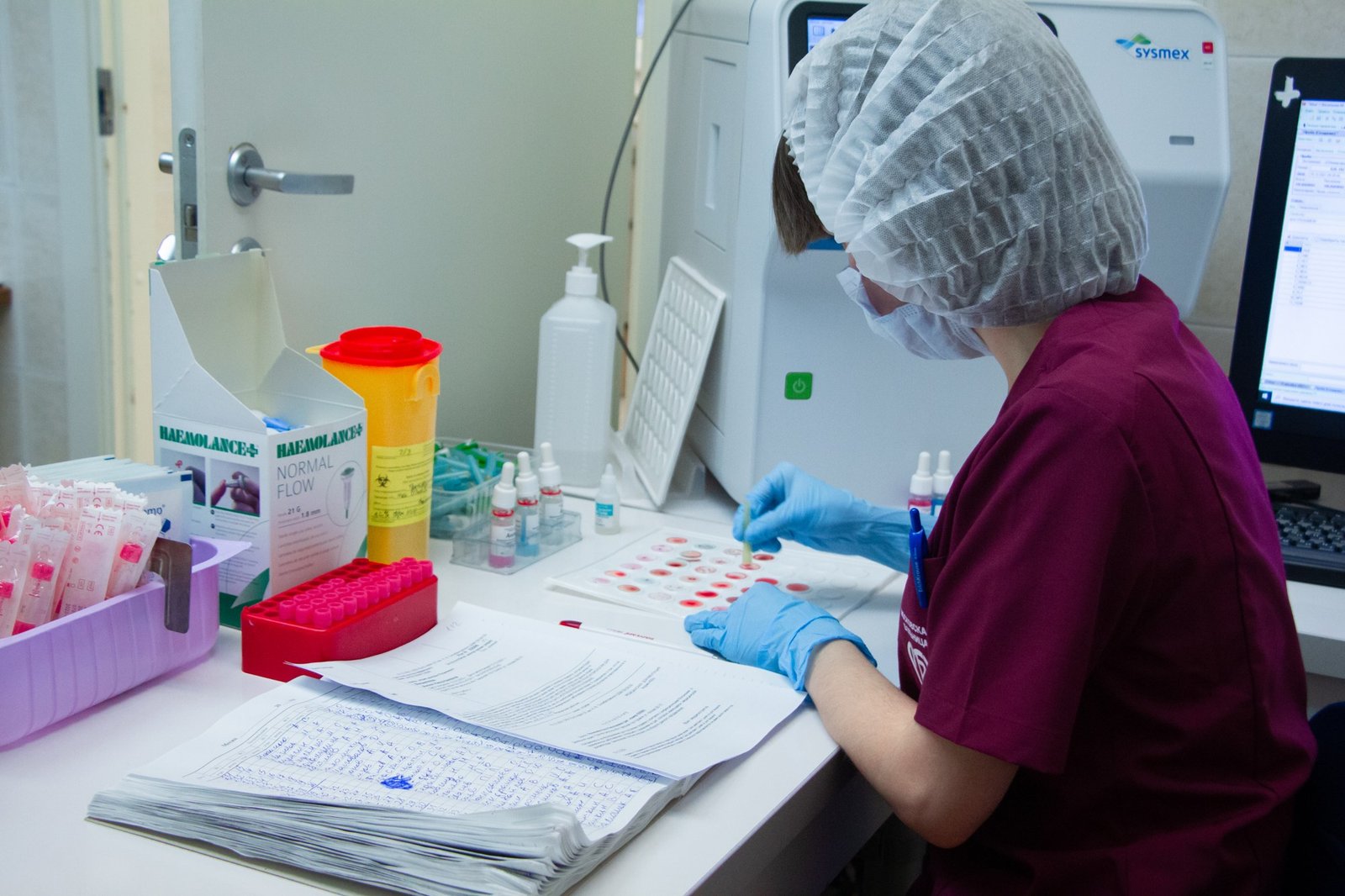
Note: the featured image is a file photo of a blood donation session, not of the affected French facilities.
Sources: Reuters, “Several French blood banks hit by a cyberattack on Nov 2, Health Ministry says”, 4 November 2026, https://www.reuters.com/business/healthcare-pharmaceuticals/several-french-blood-banks-hit-by-cyberattack-nov-2-health-ministry-says-2026-11-04/ ; GBHackers, “Hackers Target French Blood Service, Reprogram Plasma Storage Freezers From -30°C to 110°C”, https://gbhackers.com/hackers-target-french-blood-service/ ; Cyber Security News, “Hackers Hijacked French Blood Plasma Freezers, Changing Temperature Settings From −30°C to 110°C”, https://cybersecuritynews.com/french-blood-plasma-freezers-hacked/