








European Union lawmakers backed proposals on Wednesday to weaken EU car emissions and corporate fleet targets, easing requirements on carmakers to maximise zero-emission vehicle sales from 2035.
The EU had been on course to end new sales of internal combustion engine cars by 2035. Under pressure from the car industry, however, the European Commission late last year proposed softening that target for cars to a 90% reduction in carbon dioxide emissions.
The European Parliament’s environment committee has now gone further in the industry’s direction. It backed instead a proposal from three mainstream party groups for an 87.5% cut, with a 7.5% top-up from production using low-carbon steel made in the European Union.
The distinction matters for how much room remains for conventional engines after 2035. A lower headline cut, combined with credit for low-carbon steel, would leave carmakers with more flexibility than the Commission’s plan, even as the overall direction of travel remains towards electrification.
Parliamentary committees also voted on Wednesday to downgrade mandatory targets for the future share of zero-emission cars in corporate fleets to “aspirational” goals. That change would soften another lever that had been intended to pull company car buying towards electric models.
The committee votes are only a staging post, not the final law. After the committee votes on Wednesday, the full EU assembly is due to vote on the auto package in December. That vote will establish Parliament’s position for subsequent negotiations with the Council, the grouping of EU governments, which is still deliberating on the issue.
The outcome of those negotiations will shape investment decisions across Europe’s car industry, from factory planning to battery supply chains, and will test how far Brussels is willing to trade climate ambition for industrial competitiveness. With the COP31 climate summit opening in Antalya on 9 November, the direction of EU car policy will also be read as a signal of the bloc’s wider climate resolve.
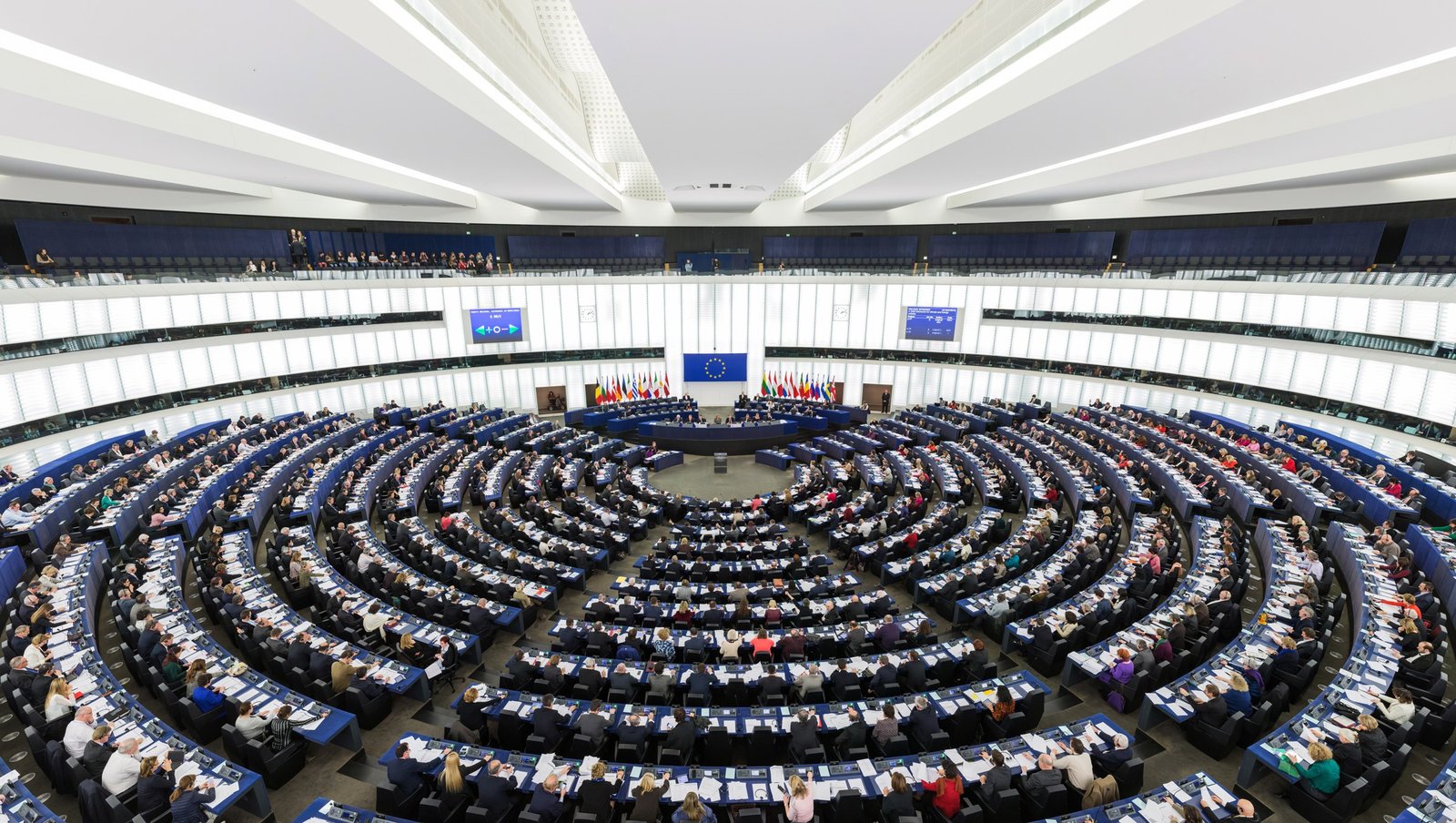
Note: the featured image is a file photo of the European Parliament hemicycle in Strasbourg during a plenary session in 2014, not a photograph of Wednesday’s committee vote.
Sources: Reuters, “European lawmakers push to weaken car CO2 emissions targets”, 4 November 2026 (https://www.reuters.com/business/environment/european-lawmakers-push-weaken-car-co2-emissions-targets-2026-11-04/)