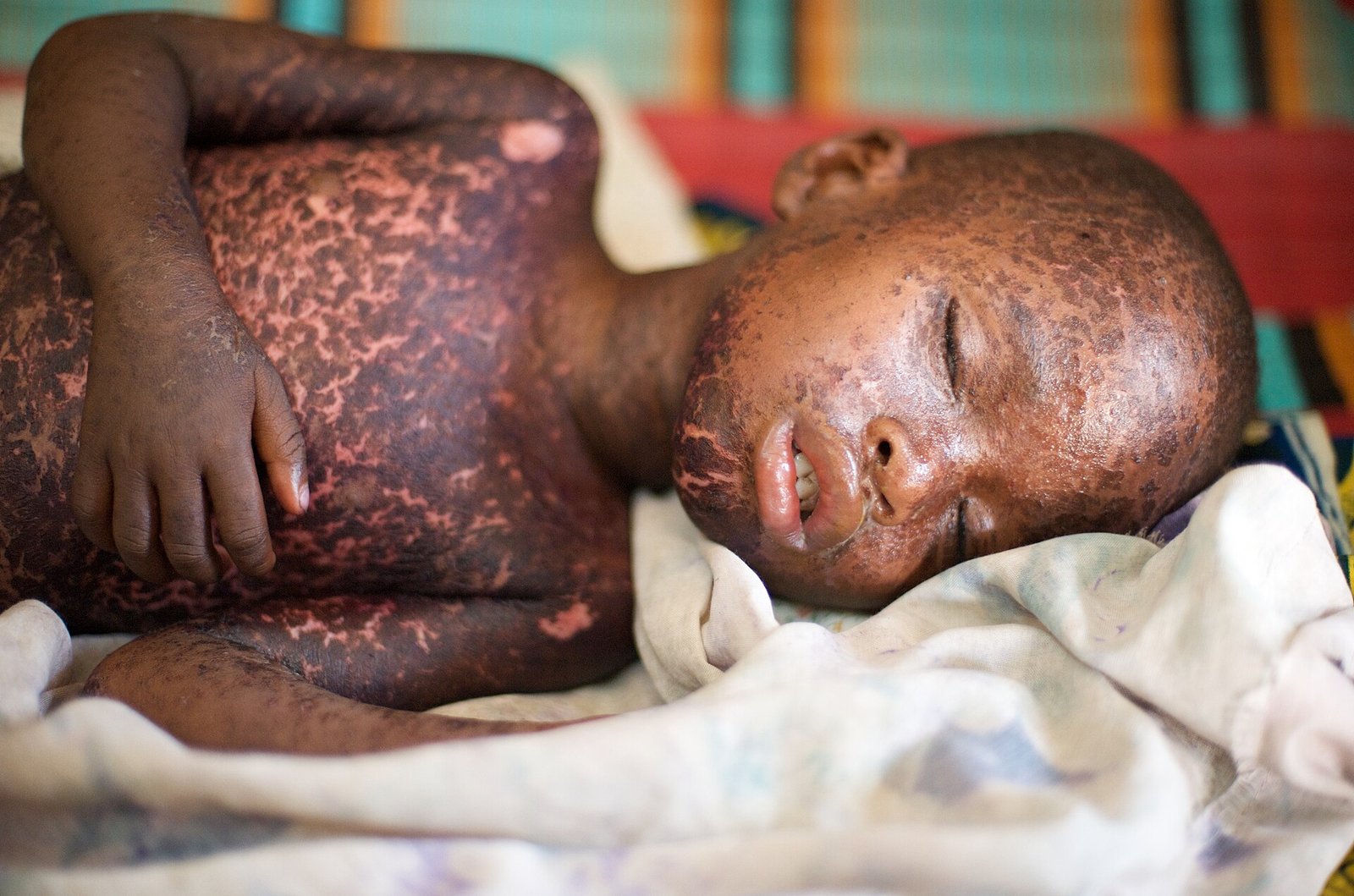








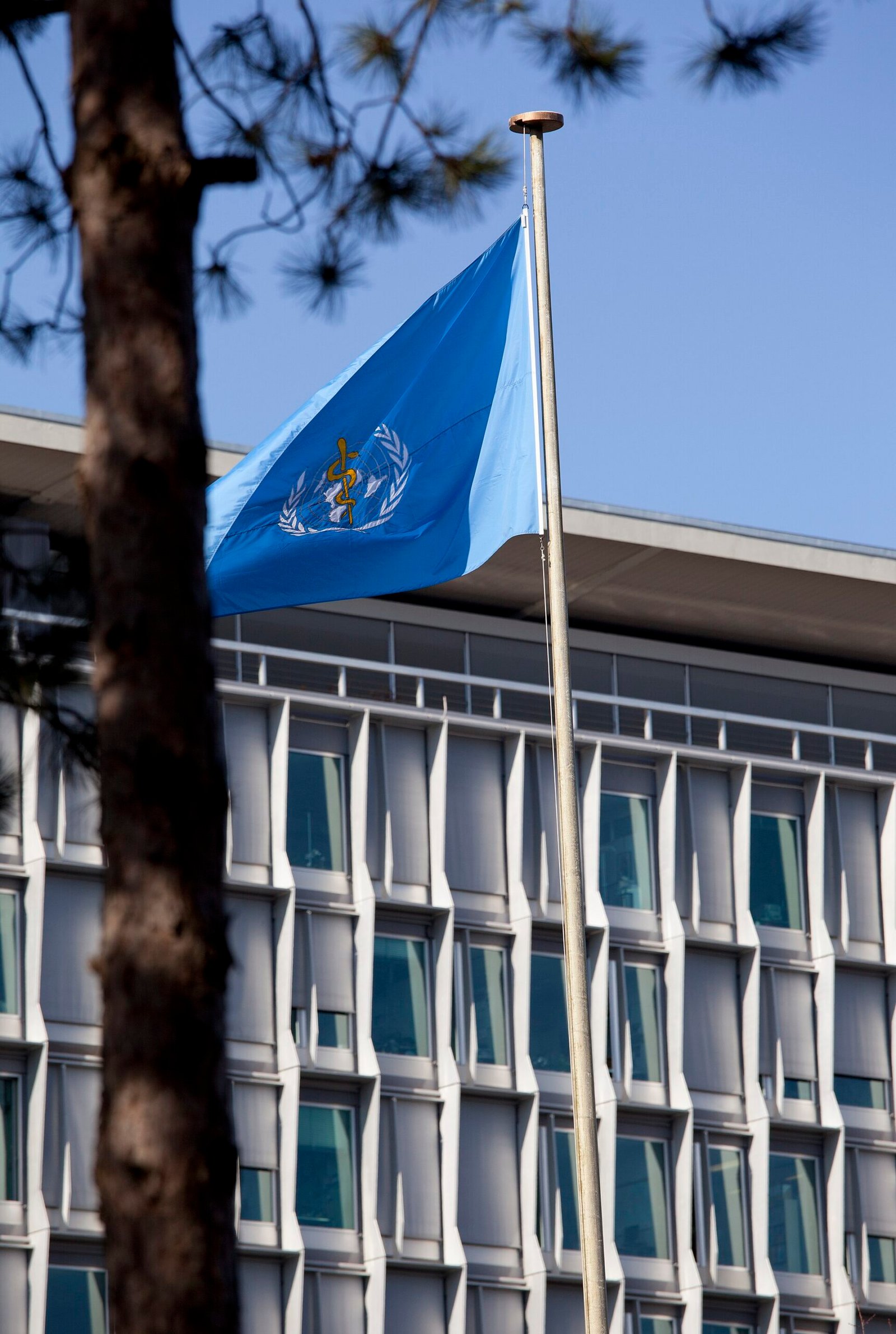
Six proven climate and health measures could prevent an estimated 1.6 million deaths every year, the World Health Organization (WHO) has said, in a new report that frames the climate crisis as a health crisis with solutions already at hand.
The report, Global Benefits and Costs of Prioritized Actions on Climate Change and Health, was released in Geneva on Wednesday, days before governments gather in Antalya, Türkiye, for the COP31 climate conference from 9 to 20 November.
The six measures are heat-health warning systems, climate-resilient drinking-water services, basic sanitation, hygiene and handwashing facilities, cleaner household fuels and technologies for cooking and heating, and more efficient fossil fuel pricing policies.
Together, the WHO estimates, scaling them up worldwide could prevent 1.6 million deaths a year — roughly one in every 40 deaths, on the agency’s modelled projections — and avoid 16.7 billion tonnes of carbon dioxide emissions annually, about 31 per cent of global greenhouse gas emissions when land use is excluded.
The economic case is striking. The measures could generate $3.9 trillion a year in economic welfare benefits and a further $5.4 trillion in fiscal benefits for governments, the report says, a combined $9.3 trillion annually from healthier people, lower emissions and stronger economies.
Fossil fuel pricing reform carries the largest single impact, with an estimated 1.2 million deaths prevented a year, about $3 trillion in economic welfare benefits and up to $5.4 trillion in fiscal gains. Heat-health warning systems are the most cost-effective measure assessed, returning an estimated $835 in benefits for every $1 invested, by helping communities prepare for dangerous temperatures.
“The climate crisis is a health crisis, but much of the harm it causes can be prevented with tools we already have,” WHO director-general Dr Tedros Adhanom Ghebreyesus said. He urged leaders heading to COP31 to put protecting health “at the center of climate action”, arguing that scaling up proven, affordable actions could save millions of lives, “with the greatest gains in the countries that need them most”.
The WHO is candid about the limits of its figures: the projections rest on ambitious global implementation scenarios and are subject to data gaps and uncertainty in long-term estimates. The report does not specify a rollout timeline or where the funding would come from. Its central message, however, is that the tools exist now — and that waiting for perfect evidence would cost lives that current measures could already save.
Sources: World Health Organization report, Global Benefits and Costs of Prioritized Actions on Climate Change and Health, as reported by AFP (https://phys.org/news/2026-11-million-year.html) and The Trumpet (https://thetrumpet.ng/who-says-implementing-6-climate-measures-capable-of-saving-1-6m-lives-annually-reduce-carbon-emissions/).