






Mars may not be geologically dead after all. An orbiting spacecraft has detected the pungent gas hydrogen chloride seeping from fissures around Alba Mons, a vast ancient volcano in the planet’s northern hemisphere, in what researchers say is the strongest evidence yet that the Red Planet remains volcanically active beneath its surface.
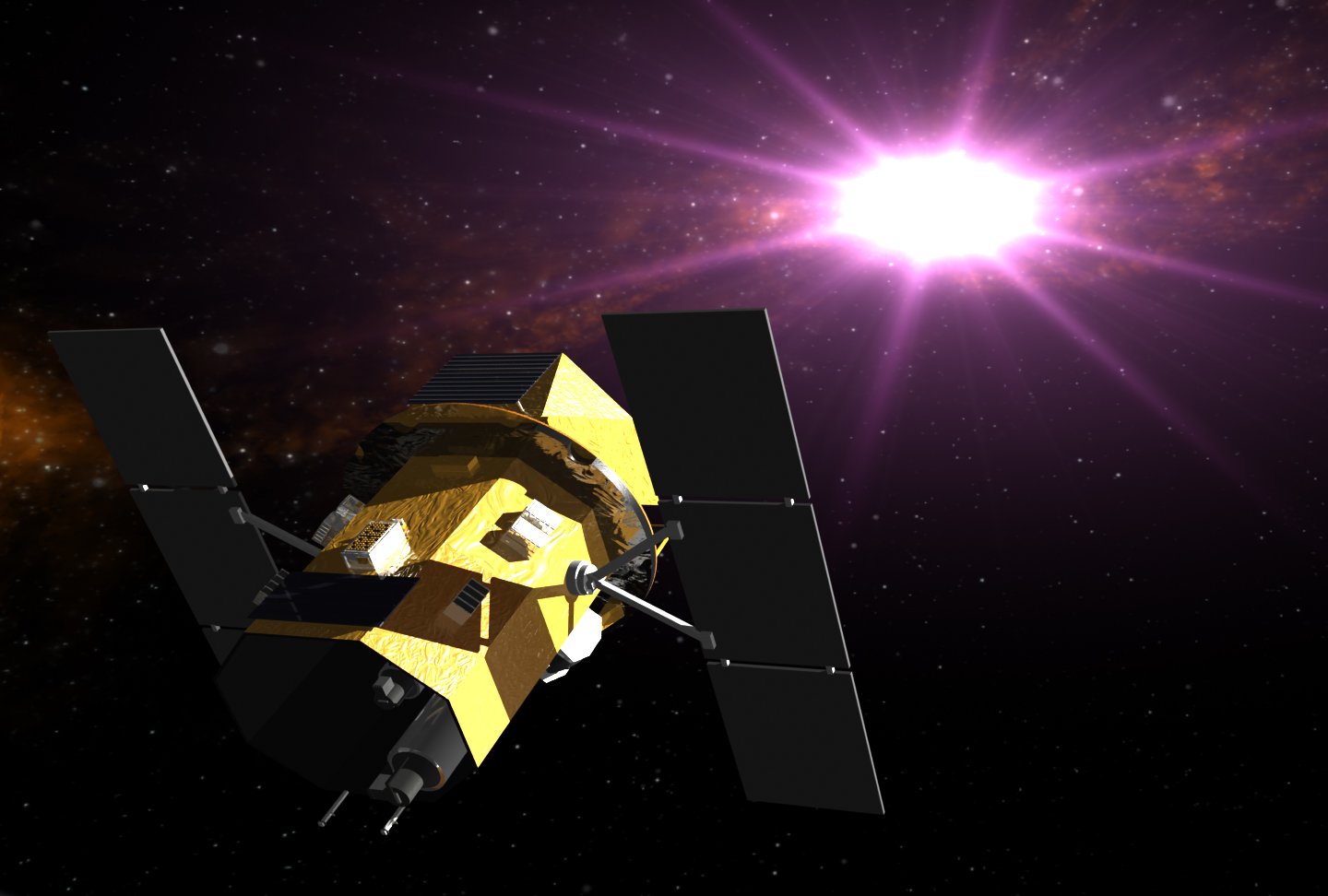
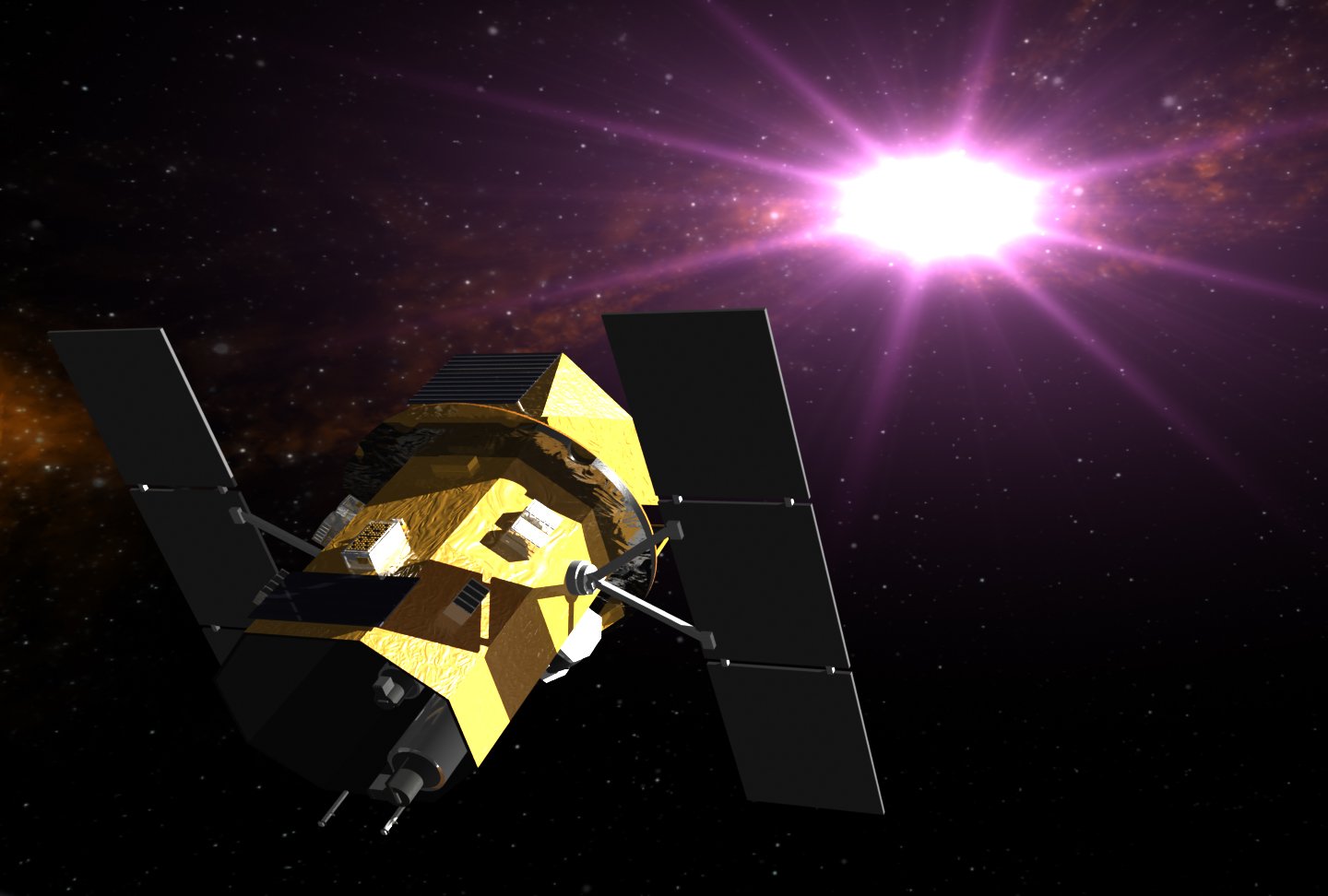
The finding comes from the ExoMars Trace Gas Orbiter, a joint European Space Agency and Roscosmos mission, which documented the gas in the low atmosphere above Alba Mons. Hydrogen chloride is a common constituent of volcanic emissions on Earth, and the researchers say volcanic seepage is the most likely explanation for what the orbiter found.
“We found that the most likely origin for the hydrogen chloride is volcanic seepage,” said planetary scientist Daniel Mège, of the Space Research Centre of the Polish Academy of Sciences and the University of Bern, a co-lead author of the research published in the journal Science Advances.
The gas may be escaping from swarms of surface fissures in the Alba Mons region, perhaps connected to a subsurface magma chamber. As magma rises and pressure falls, chlorine-bearing compounds dissolved in it release hydrogen chloride — a process known as magmatic degassing. “It suggests that the planet’s interior may still retain sufficient heat to sustain magmatic processes,” said co-lead author Alexander Trokhimovskiy, of the Space Research Institute of the Russian Academy of Sciences.
That would place Mars in a new light. Confirmed volcanically active bodies in the solar system are currently an elite club — Earth, Venus and Jupiter’s moon Io — while Mars was thought to have fallen silent long ago. Evidence of volcanism from a few million years ago had been reported, and marsquakes detected by NASA’s InSight lander had hinted at activity, but no evidence of current magmatic activity had been found until now.
The orbiter first detected hydrogen chloride in the Martian atmosphere some time ago and has since recorded annual spikes in the gas along Alba Mons’s northern flank in early summer. The researchers suspect the fissures may be blocked by ice at other times of year, with summer thawing allowing trapped volcanic gases to escape.
The implications go beyond geology. If magma is still moving beneath the crust, pockets of heat may persist there — and where rising magma meets underground water, it could create warm, sheltered hydrothermal systems. “Such active hydrothermal systems may provide the energy sources and favourable conditions needed to support microbial life,” Trokhimovskiy said, making warm subsurface environments one of the most promising targets in the search for life on Mars.
Caution is still warranted: the study infers volcanic activity from the gas and its seasonal pattern rather than observing an eruption directly, and the researchers describe Mars as in a stage of relative dormancy rather than erupting. But if confirmed, the result rewrites the picture of a cold, dead planet into one that is still, quietly, stirring.
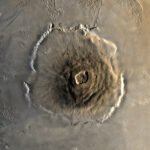
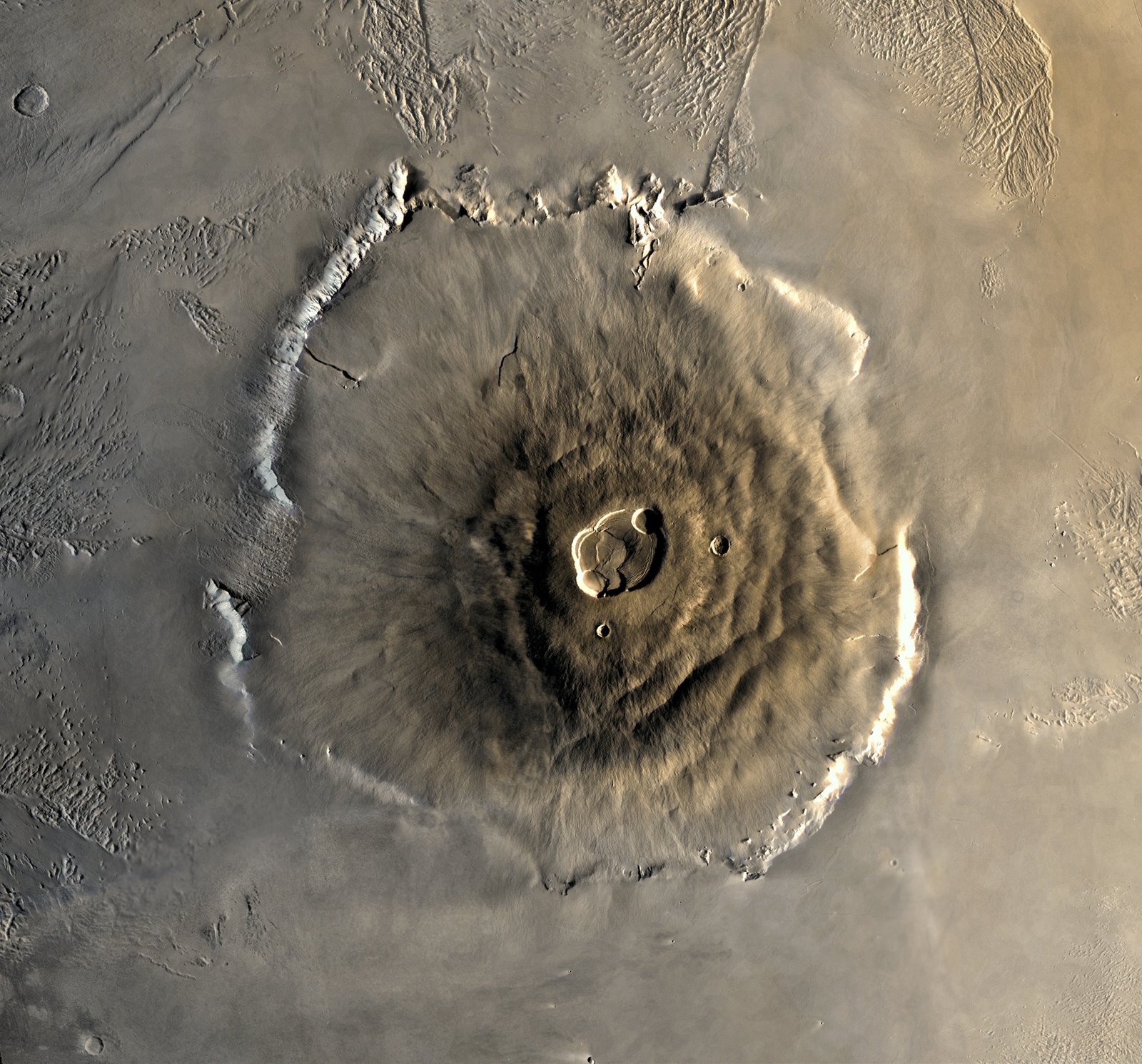
Note: the featured image is a file photo of Olympus Mons, the largest volcano on Mars, not a photograph of Alba Mons.
Sources: Reuters, “Pungent gas above Martian fissures hints at ongoing volcanism” (https://northlandnewsradio.com/2026/11/04/pungent-gas-above-martian-fissures-hints-at-ongoing-volcanism/)