









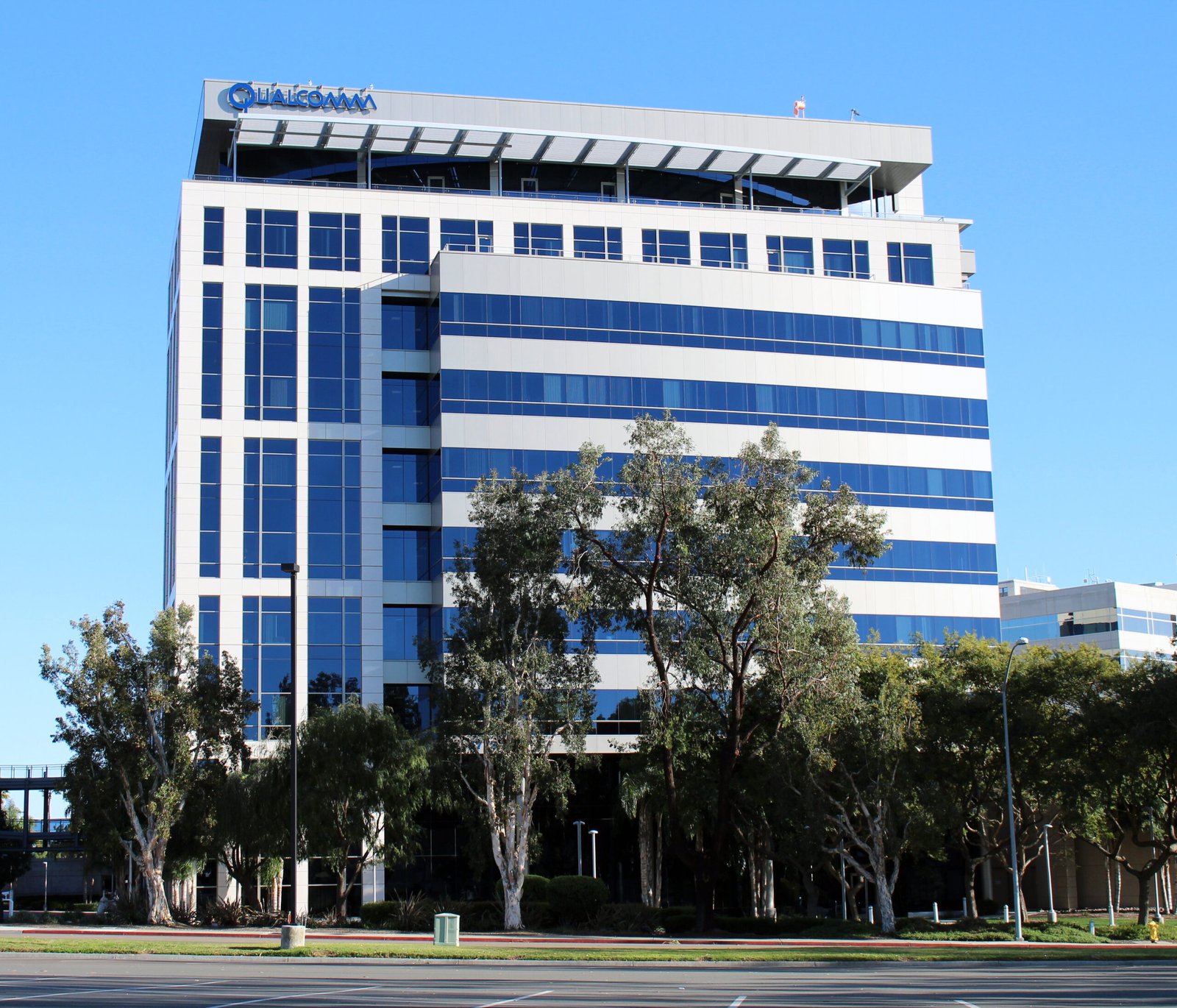
Qualcomm’s shares fell more than 4% in extended trading on Wednesday after revenue from its smartphone chips came in below Wall Street expectations, a sign that a deep slump in handset demand is still weighing on one of the world’s largest chip designers.
Revenue from the company’s handset unit, which makes the processors found in many Android phones, fell 26% to $5.14 billion in the fourth quarter, against analyst expectations of $5.25 billion. That dragged overall chip-segment revenue down 8% to $9.02 billion.
The backdrop is a sharp downturn in the phone market. Global smartphone shipments fell 20% in the September quarter to a 14-year low, according to Counterpoint Research, while rising memory prices — driven by demand for high-bandwidth storage for artificial intelligence servers — have raised the cost of consumer electronics and squeezed processor designers.
Qualcomm’s total results were less bleak than the handset miss suggested. Adjusted sales fell 7% to $10.44 billion, beating estimates of $10.11 billion, and adjusted profit of $2.17 per share edged past expectations of $2.16.
A second drag on the handset business is Apple. Investors have worried about the iPhone maker switching to its own modem chips, and Qualcomm has warned of a faster-than-expected decline in sales to Apple. Chief executive Cristiano Amon said the first-quarter forecast for fiscal 2027 includes no further sales from Apple, and argued that business beyond handsets would replace it entirely.
Amon pointed to a 70% year-on-year increase in design wins for fiscal 2027 and said non-handset revenue was expected to grow 60% year on year as the company moves into the next fiscal year. A September agreement allowing Amazon to buy up to $60 billion of Qualcomm’s AI chips and related data-centre products added the e-commerce giant to a client list that already includes Microsoft and Meta, and the company has said revenue from two custom chip programmes with large cloud providers would begin in the current quarter ahead of a ramp-up of AI accelerator products next year. It is targeting $15 billion in annual data-centre revenue by fiscal 2029.
Earlier on Wednesday, Qualcomm also signed a multi-year 5G deal to supply radio equipment, baseband units and software for SpaceX’s planned nationwide Starlink Mobile network, starting in 2027.
For the first quarter, Qualcomm expects total revenue of between $10.4 billion and $11.2 billion, whose midpoint sits above analysts’ average estimate of $10.48 billion. It expects chip-segment sales of between $9 billion and $9.6 billion, above estimates of $8.88 billion, and adjusted profit of between $2.15 and $2.35 per share, against estimates of $2.27.
The outlook suggests Qualcomm expects its pivot beyond phones — into data centres, cars and connected devices — to do the heavy lifting while the handset market recovers. Amon said Android handset sales were already ticking upward again, but the fourth-quarter miss shows that recovery has not yet reached the company’s bottom line.
Sources: Reuters, “Qualcomm’s smartphone chip sales miss estimates, shares fall”, 4 November 2026 — https://www.reuters.com/business/media-telecom/qualcomm-forecasts-upbeat-sales-strength-non-smartphone-segments-2026-11-04/