




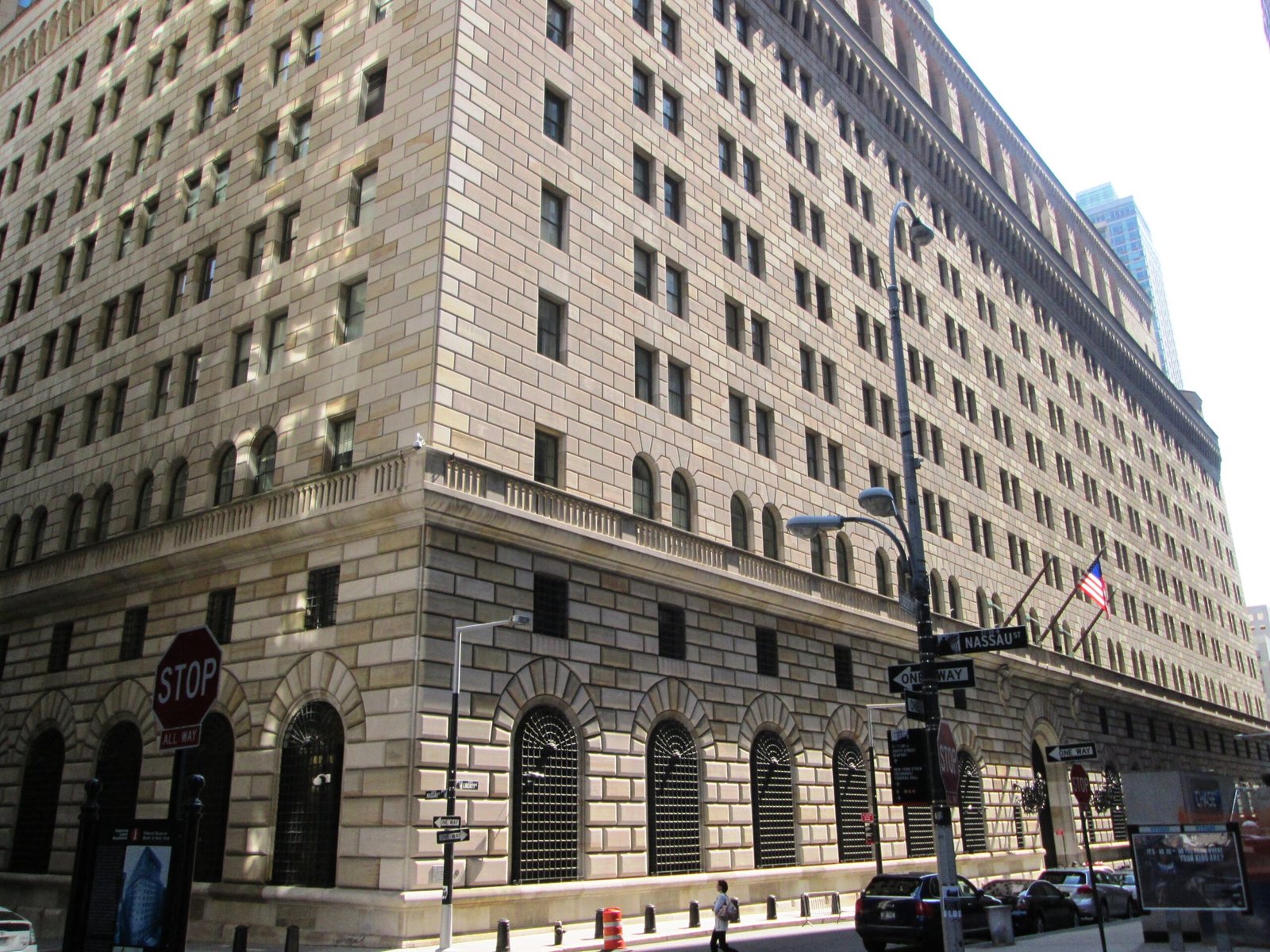
Americans grew markedly more worried about the outlook for jobs last month, according to a survey released on Monday by the Federal Reserve Bank of New York, with expectations that unemployment will rise reaching their highest level since the early months of the Covid-19 pandemic.
The bank’s October Survey of Consumer Expectations found that the share of respondents expecting the jobless rate to be higher a year from now stood at its highest since April 2020, a reading recorded during the tumultuous opening phase of the pandemic, when the US economy shed jobs at a historic pace.
Respondents also said in October that they saw a greater chance of involuntarily losing their job, although that expectation remained at relatively low levels. At the same time, they reported a higher chance of finding new work after a job loss, a more encouraging signal that sits uneasily alongside the gloomier headline reading.
The survey’s darker view of the labour market contrasts sharply with the official hiring data published on Friday, which showed the US economy adding 165,000 jobs in October, well ahead of expectations, with the unemployment rate easing to 4.1 per cent and earlier months revised higher. Federal Reserve officials have regularly described the jobs market as “low-hire, low-fire”, in which employers are reluctant both to recruit and to dismiss staff.
Inflation expectations, the part of the survey watched most closely by policymakers, were little changed. Households expect prices to rise by 3.9 per cent over the next year, 3.3 per cent over three years and 3.0 per cent over five years — all matching the September readings, but still well above the Federal Reserve’s 2 per cent target.
Expectations for price rises across a range of goods were mixed, with households seeing a more moderate increase in petrol prices a year from now than they did in September.
The survey was conducted over the course of October, as Americans headed towards midterm elections that ultimately delivered broad gains for Democrats, including control of both houses of Congress. Other polls have shown a sour national mood, with households struggling with the high inflation unleashed in part by President Donald Trump’s trade tariffs and the war in the Middle East.
Fed officials are broadly expected to raise interest rates at their next policy meeting, on 8–9 December, as they work to bring inflation back to target. Richmond Fed President Tom Barkin said on Monday that the central bank should move policy “with care” as it responds to price pressures, after nearly six years in which inflation has run above the 2 per cent goal.
Sources: Reuters, “NY Fed survey finds Americans more worried over future jobless levels” (https://www.reuters.com/business/ny-fed-survey-finds-americans-more-worried-over-future-jobless-levels-2026-11-09/); Federal Reserve Bank of New York, Survey of Consumer Expectations (https://www.newyorkfed.org/microeconomics/sce).