








Australia’s central bank has raised interest rates to their highest level since the global financial crisis, lifting the official cash rate by 25 basis points to 4.85 per cent on Tuesday.
The Reserve Bank of Australia’s Monetary Policy Board voted six to three for the increase, its fifth rise of 2026, taking the rate from 4.60 per cent. The three dissenters voted to leave the rate unchanged. The decision, announced on Melbourne Cup day, had been widely expected by economists and money markets, which had priced in an 88 per cent chance of a hike.
The board acted after September-quarter inflation came in hotter than it had forecast. Annual trimmed mean inflation — the bank’s preferred underlying measure — accelerated to 3.7 per cent, well above the 3.4 per cent the bank had projected and outside its 2–3 per cent target band. Headline inflation surged to 4.3 per cent, driven by a 9.4 per cent jump in petrol prices.
In its post-meeting statement, the board said the data had confirmed that underlying inflation remains broadly based. Capacity pressures appear a little tighter than previously estimated, it said, and there are indications that higher fuel prices are being passed through to the prices of other goods and services. Inflation is now expected to remain above 3 per cent for the coming year, and there is an increasing risk that higher inflation expectations will become embedded.
“The board is conscious of the period in which inflation has been too high,” the statement said. “Given the revised inflation outlook and the continuing upside risks, the board judged that a further tightening in financial conditions is warranted to support the return of inflation to target.”
The rise will feed through to household budgets in the coming weeks as lenders pass it on. According to analysis from the Mortgage and Finance Association of Australia, the average new owner-occupier loan of $731,000 would require an additional $119 a month in repayments. Across the five increases this year, cumulative repayments on such a loan have risen by roughly $537 a month, or nearly $6,450 a year. Data from REA Group indicates mortgage repayments on a median-priced dwelling will now absorb roughly 37.4 per cent of typical household income, a burden not seen since the late 1980s.
Governor Michele Bullock had recently told a Senate estimates committee that international and domestic upside risks to inflation had materialised, while Deputy Governor Andrew Hauser characterised recent inflation figures as “too high”. All four major banks had redrawn their forecasts ahead of the meeting to predict a Cup Day increase.
The bank did not commit to further rises, saying it will continue to do what it considers necessary to bring inflation sustainably back to target and will be attentive to the data. Its next scheduled decision is on 8 December, the final one of the year. For borrowers, the question now is whether today’s move marks the peak of this tightening cycle or merely another step in a longer fight against stubbornly high prices.
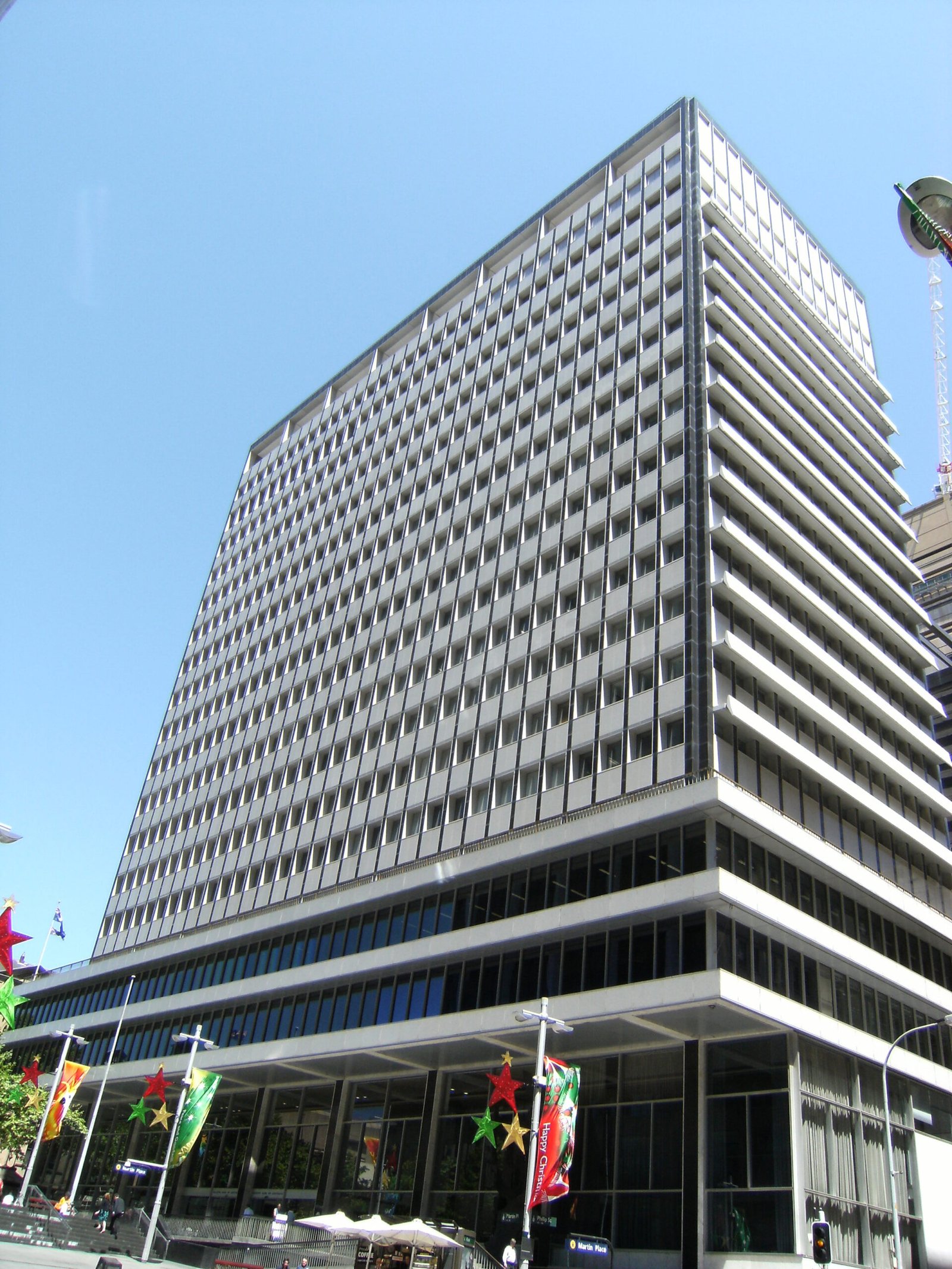
Note: the featured image is a file photo of the Reserve Bank of Australia building at Martin Place in Sydney, taken in 2008, not a photograph of today’s board meeting.
Sources: Reserve Bank of Australia, Monetary Policy Decision, 3 November 2026, as reported by Broker Daily, https://www.brokerdaily.au/economy/22203-rba-spurred-into-action-on-rate-day ; Australian Associated Press, “Cash rate hits 18-year high in fresh blow for borrowers”, 3 November 2026, https://aapnews.aap.com.au/news/long-wait-for-mortgage-relief-after-odds-on-rate-rise ; Reuters, “Dollar under pressure as oil prices slump, Australia rate decision awaited”, 3 November 2026, https://www.reuters.com/world/asia-pacific/dollar-under-pressure-oil-prices-slump-australia-rate-decision-awaited-2026-11-03/