






The world’s biggest drugmakers are increasingly looking to China for the next generation of weight-loss medicines, as looming patent expiries and the sheer cost of developing drugs in-house push them towards the country’s fast-growing biotech sector.
Novo Nordisk, AstraZeneca, Pfizer and their rivals are all hunting for fresh ideas as patents worth more than $500 billion in projected annual drug sales are due to lapse by 2033. The pressure is sharpest in weight loss: the patent on semaglutide, the active ingredient in Novo’s Ozempic and Wegovy, expires in major markets in 2031, opening the door to cheap generics.
The global market for weight-loss drugs is expected to grow from around $72 billion today to $180 billion within a decade, according to Nomura, yet just two companies, Novo and Eli Lilly, dominate it today. That combination of scale and concentration makes it one of the most attractive targets in the industry.
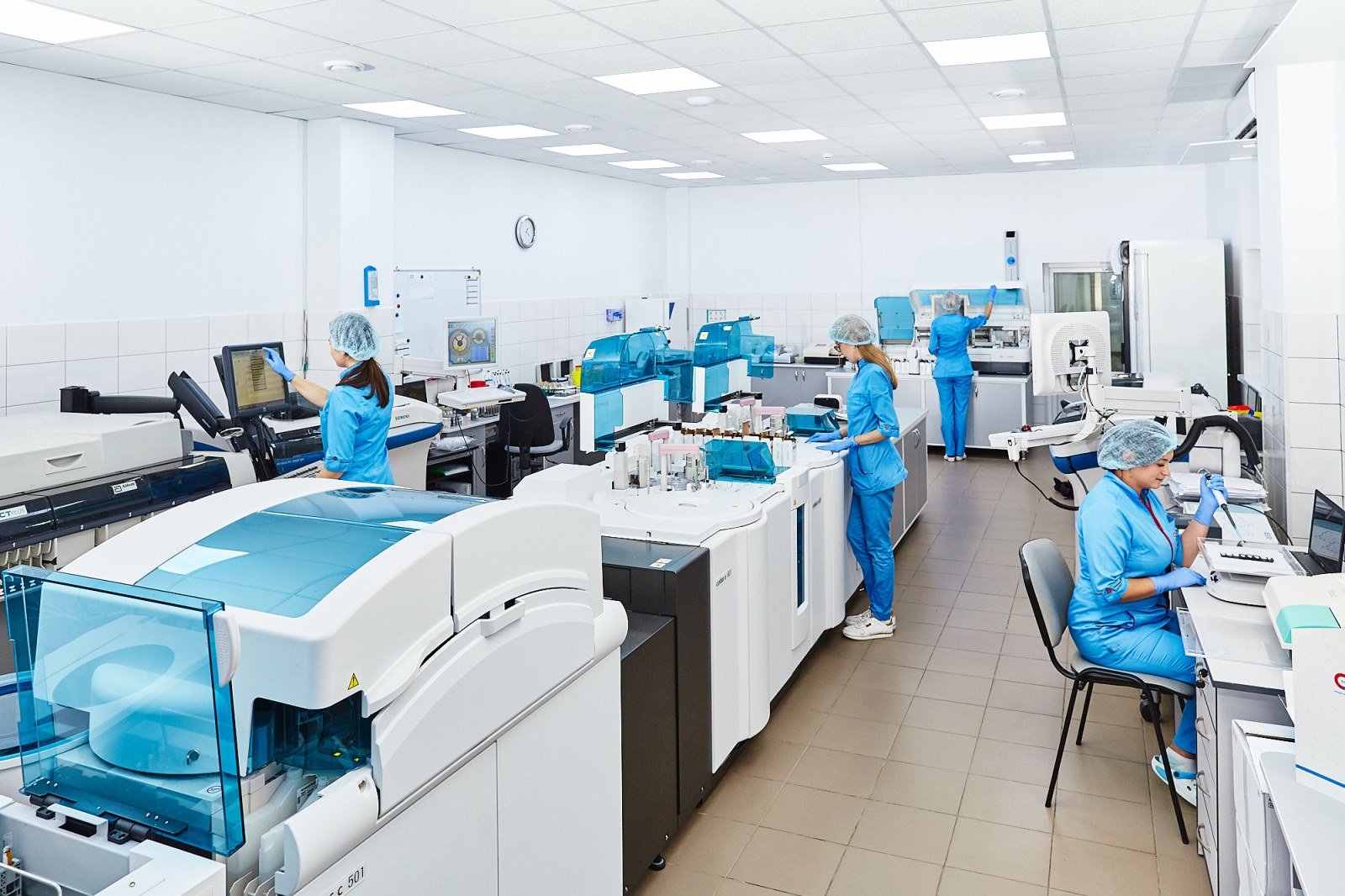
China has become an unlikely centre of that hunt. Until the 2010s its drugmakers mostly produced cheap copies of Western medicines, and their clinical trial data was often too unreliable for international regulators to trust. That changed after Beijing named biotechnology a strategic emerging industry in 2011, alongside electric cars and clean technology, and poured billions of dollars of subsidies and private investment into bringing its laboratories up to international standards.
The reforms worked. By 2024 China was registering more clinical trials than the United States, according to the World Health Organisation, and its trials are cheaper and faster than those of Western rivals. One Pfizer executive estimates that drug development in China is three times as fast as in Europe. Chinese researchers had nearly 5,000 innovative drugs in the pipeline by the end of last year, according to Xinhua.
Rather than buying Chinese companies outright, an approach Beijing is wary of, Western drugmakers are licensing the rights to develop and sell specific drugs outside China, a practice known as outlicensing. The total value of such deals has already topped $159 billion in 2026, eclipsing last year’s record, according to data provider PharmCube.
Weight-loss treatments are emerging as a new frontier. Deals for weight-loss drugs have surpassed $47 billion since they first emerged in 2023, and nearly 250 Chinese GLP-1 candidates are now under development, PharmCube data shows. Even Novo is shopping: in September the Danish company agreed to pay up to $2.6 billion to license an experimental pill from Jiangsu Hengrui Pharmaceuticals, drawn by the prospect of a weekly oral dose rather than the regular injections or daily pills it sells today.
Drugmakers are also hoping the new candidates can solve problems that have dogged earlier weight-loss drugs. Sciwind Biosciences says only 2 per cent of participants in a 48-week trial of its Ecnoglutide GLP-1 quit because of side effects. Nausea is the second most common reason patients abandon treatment, after cost, according to Cleveland Clinic research, and only one in four patients prescribed Wegovy or Ozempic was still taking the medicine two years later, a 2024 study found.
The deals are structured to manage risk: upfront payments are typically modest, with larger milestone payouts only when a drug hits key clinical or commercial targets. But Chinese firms have become tougher negotiators, using royalties that rise with sales, options and equity stakes to capture more of the future upside.
Chinese companies are equally keen to strike deals. Most lack the branding and regulatory know-how to take a drug global on their own, and their home market, for all its size, is not yet lucrative: around half of Chinese adults are overweight or obese, but the government keeps medicine prices low. Eli Lilly cut the price of its tirzepatide to 324 yuan for 10mg from 1,758 yuan after negotiations over China’s public medical insurance list this year, according to Nomura. Novo estimates China’s GLP-1 market is worth less than $1 billion, against more than $20 billion for Europe and Canada combined, though Nomura expects it to reach around $20 billion by 2035.
For now, at least, the flow of deals suits both sides: Western drugmakers get speed and new ideas, and China’s biotech firms get the global reach they cannot build alone.
Sources: Reuters Breakingviews, “China emerges as obesity drug lab for Big Pharma” (https://www.reuters.com/commentary/breakingviews/china-emerges-obesity-drug-lab-big-pharma-2026-11-11/). Market and deal figures in this article are as reported by Reuters, citing PharmCube, Nomura, the World Health Organisation and Xinhua.