







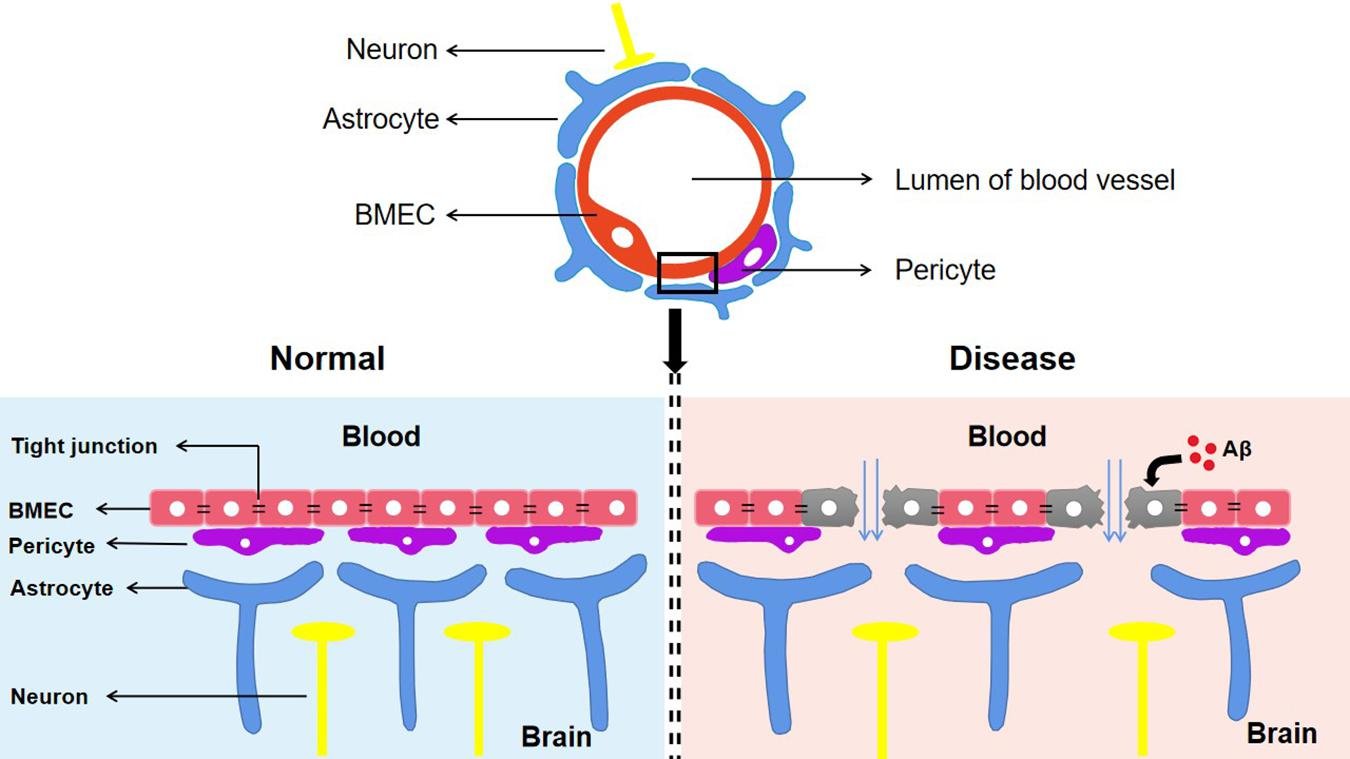
Scientists have overturned a century-old picture of the blood-brain barrier, finding that it works less like a wall and more like a filter — one that picks out helpful proteins from the bloodstream and delivers them to the brain. The discovery, reported in the journal Cell, could open a new route to treating Alzheimer’s disease and other brain disorders.
“For a century, we’ve treated the blood-brain barrier as a simple physical boundary protecting the brain from toxins,” said study leader Andrew Yang of the Gladstone Institutes in San Francisco. “We’re finding that it’s an intelligent interface that plucks the right proteins in the blood, often from distant parts of the body, and delivers them to the right cell types in the brain.”
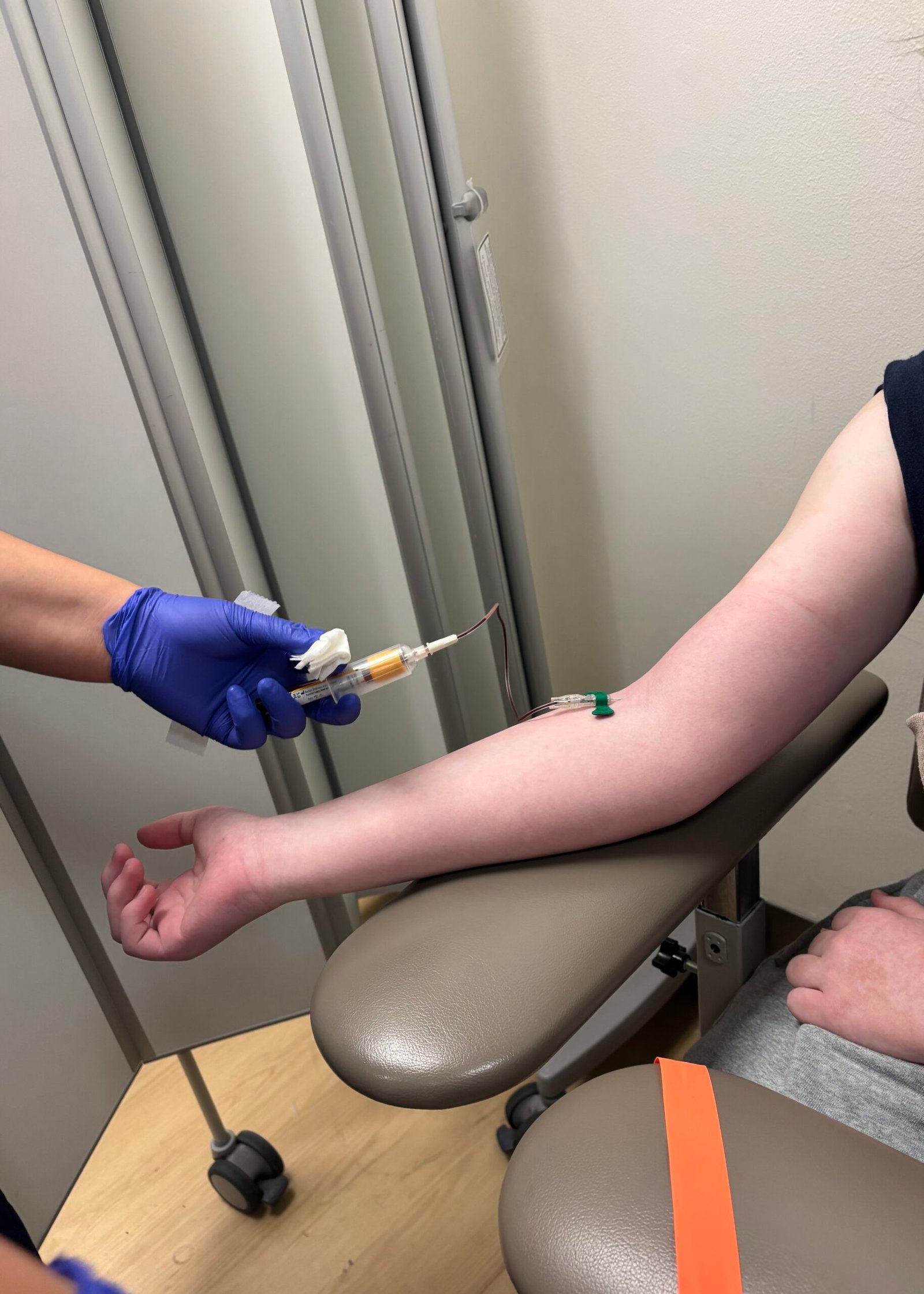
Working in mice, the researchers tagged 861 blood proteins with chemical labels and re-injected them into the bloodstream. Brain tissue analysis showed that 92 of them had been allowed across the barrier — and once inside, different proteins were directed to specific types of brain cells.
Most of the proteins that crossed were made far from the brain. One of them, apolipoprotein A1, is produced in the liver and travels to the brain to help maintain healthy connections between neurons. The finding matters because, in mice with a form of Alzheimer’s, a breakdown in that supply line appears to be part of the disease itself.
“Alzheimer’s disease may not start entirely inside the brain. It may start when the brain’s supply line from the body is severed,” Yang said. “If that’s right, we may be able to fight this disease from outside the brain, by restoring what the brain has lost.”
When the barrier stopped importing apolipoprotein A1 into the brain, the reduced supply led to erosion of neuronal connections, behavioural changes and other early signs of the disease. But mice genetically engineered to produce extra amounts of the protein in the liver showed more of it crossing into the brain — and fewer signs of Alzheimer’s.
“We now have a map of the proteins the brain needs from the body and the transport system that delivers them,” Yang said. The team hopes to turn that blueprint into therapies that work from the outside in, and into next-generation “shuttles” that can carry powerful medicines across the barrier into the brain.
The work is early: it was carried out in mice, and whether the same protein routes operate in the human brain — and can be safely manipulated — remains to be shown. But if the filter can be harnessed, drugs that today cannot reach the brain might one day be delivered through the body’s own supply lines.
Sources: Reuters, “Blood-brain barrier discovery could lead to new Alzheimer’s disease approach” (https://www.reuters.com/business/healthcare-pharmaceuticals/blood-brain-barrier-discovery-could-lead-new-alzheimers-disease-approach-2026-11-13/); Cell (study led by Andrew Yang, Gladstone Institutes).