








At least 25 passenger flights across Europe received bomb threats on Thursday, forcing diversions, fighter-jet escorts and emergency security searches, in the second such wave in three days. No explosives were found on any aircraft, and no group has claimed responsibility.
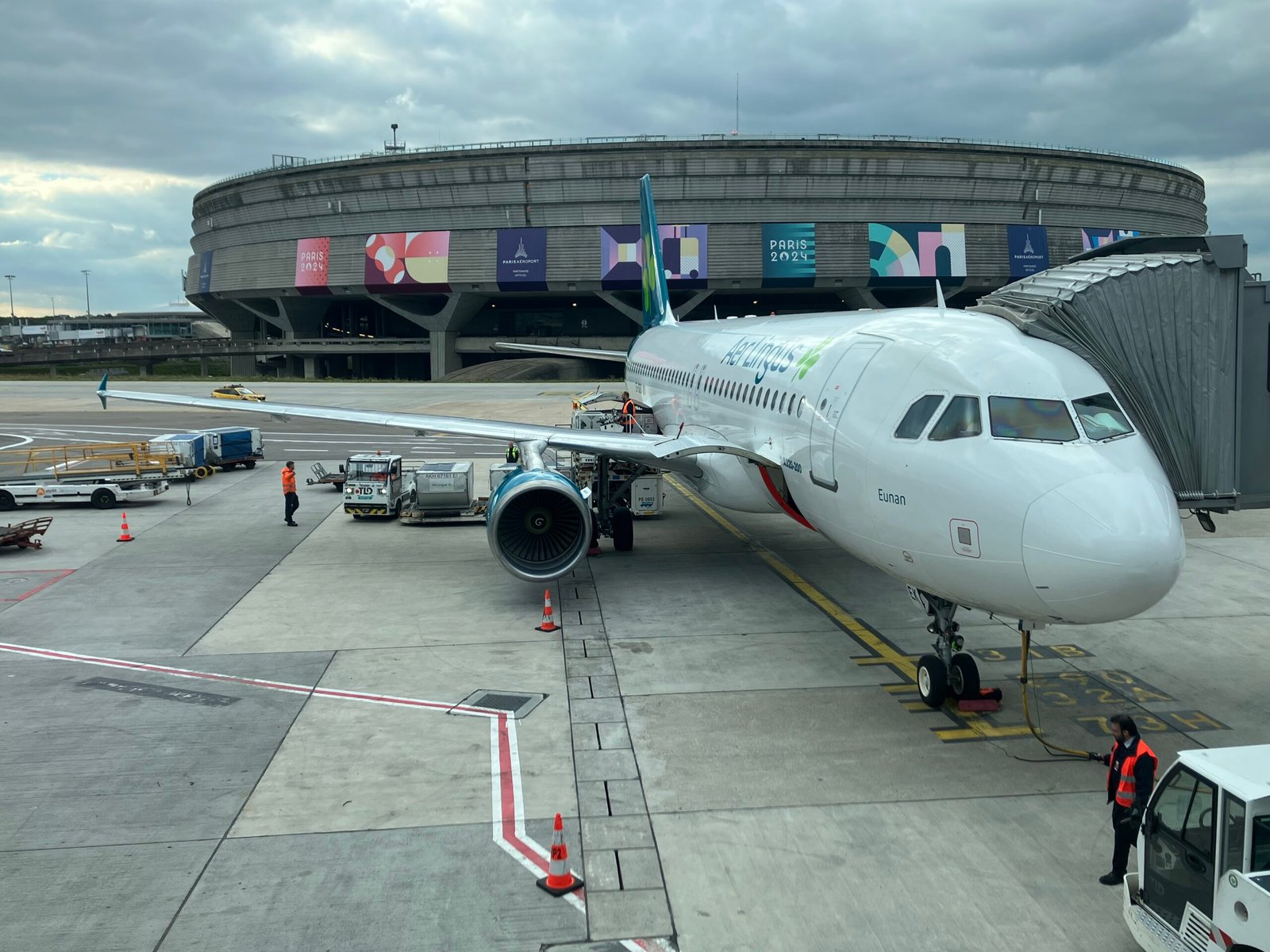
The most serious incident involved Aer Lingus flight EI402 from Dublin to Rome. The Airbus A320, carrying 151 passengers and six crew, was diverted to Évreux air base in Normandy after a threat was reported mid-flight. French fighter jets escorted the aircraft in, and military bomb-disposal teams searched it after everyone on board was safely taken off. The French prime minister’s office confirmed the landing, and the aircraft was later cleared.
Bulgaria’s air force scrambled fighter jets to escort three Ryanair aircraft bound for Sofia. Two — from Copenhagen and Madrid — landed as planned, while a third, from London Stansted, was diverted to Plovdiv. Inspections found nothing on any of the three aircraft.
Spain’s Guardia Civil said it received three emailed threats in under 20 minutes on Thursday morning, involving two Air Europa departures from Madrid to Paris and four inbound Iberia flights from Rome and Milan. In Prague, police received threats against four incoming aircraft and assessed their credibility as low; in Copenhagen, a military bomb-disposal unit searched two planes and found no devices. Finnair said checks on a flight from Helsinki to Rome returned negative results.
The wave follows at least seven similar threats on Tuesday. Aviation security experts say the apparent coordination and timing is unusual, though bomb threats against airlines are not new. The British government called this week’s incidents “malicious hoax threats”. Air France-KLM chief executive Ben Smith said on Thursday he had never previously seen threats reported in such a coordinated fashion.
No public evidence links the incidents to any state or organisation, and officials have not attributed blame. The European Union Aviation Safety Agency said it would keep monitoring the incidents for any aviation safety implications, while Europol said it stood ready to support national authorities. Even false alarms carry a heavy cost: diversions, full aircraft sweeps and crew duty limits can mean missed connections and cancellations, and airlines bear the cost of fuel, rebooking and disruption.
Sources: Reuters, “What do we know about the wave of bomb threats against flights in Europe?” (https://www.reuters.com/business/aerospace-defense/what-do-we-know-about-wave-bomb-threats-against-flights-europe-2026-11-05/) and Reuters, “New wave of bomb threats hits at least 25 passenger flights across Europe” (https://srnnews.com/bomb-alert-diverts-airbus-a320-plane-flying-from-dublin-to-rome-french-pm-says/).