








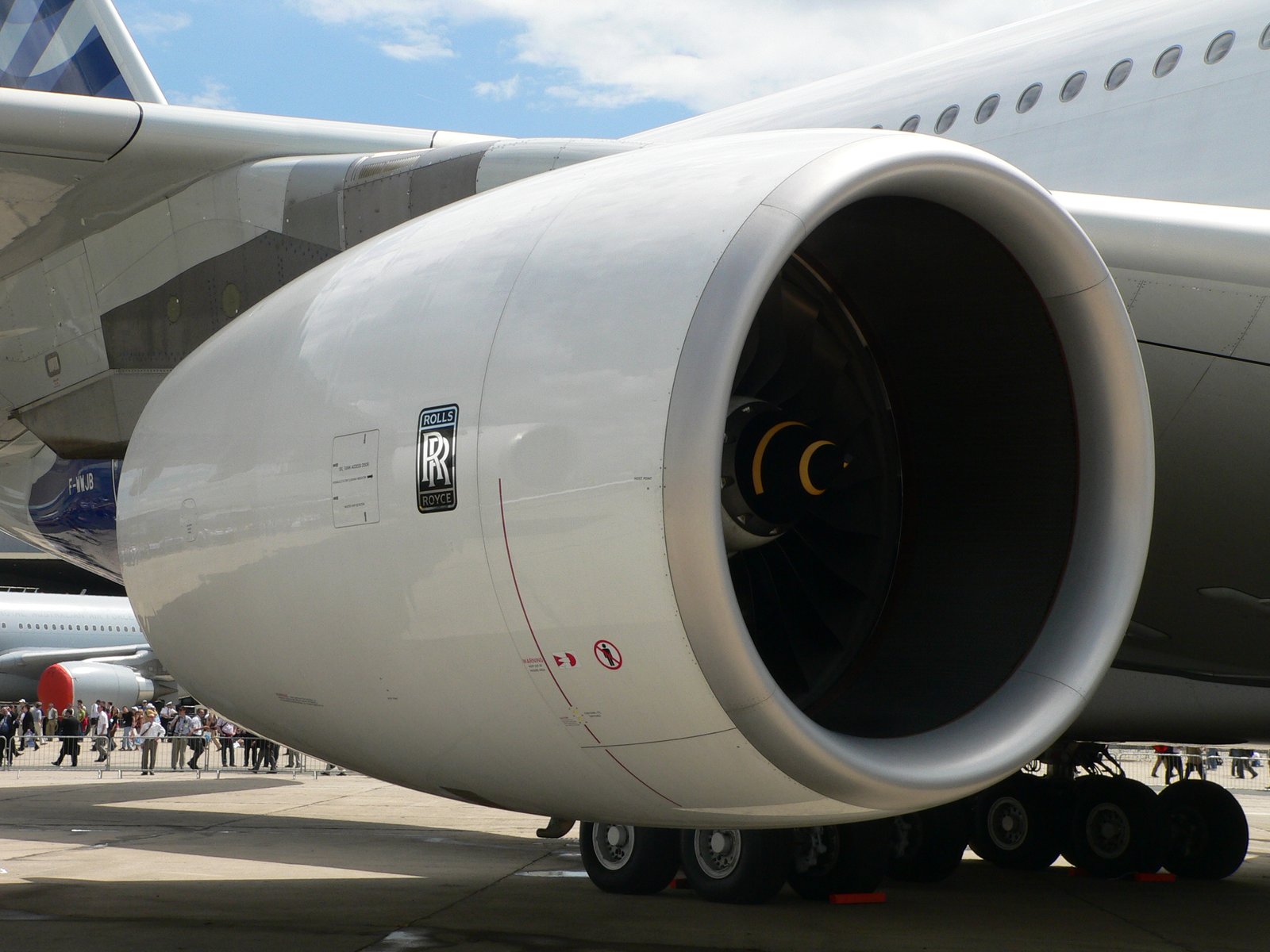
Britain is backing Rolls-Royce’s return to the market for engines powering single-aisle jets, in a joint 10-year research and technology programme worth £2.5 billion. The deal, announced in the Budget on Wednesday, is aimed at developing advanced gas turbine technology for the next generation of narrowbody aircraft, as well as for defence uses.
The programme marks an attempt to end an absence of more than a decade. Rolls-Royce has been shut out of the narrowbody engine market since it sold its stake in the International Aero Engines consortium to Pratt & Whitney in 2012. Since then, engines for the workhorse Airbus A320 and Boeing 737 families have been dominated by CFM International, a joint venture of GE Aerospace and Safran, and by Pratt & Whitney.
At the heart of the British bid is Rolls-Royce’s UltraFan technology. The company has developed a smaller UltraFan 30 concept for single-aisle aircraft, with an engine demonstrator planned and new narrowbody aircraft expected to enter commercial service in the mid-to-late 2030s. The programme is intended to produce more efficient, lower-emission engines, and the government says its initial phase should support 3,300 jobs across Rolls-Royce and its UK supply chain by the end of 2029.
Industry minister Blair McDougall defended the use of public money for a company expecting up to £4.9 billion of annual profit, saying governments had long shared the risks of major aerospace programmes because of the scale of investment required. He said: “We want those engines to be designed, developed and serviced eventually here in the UK.” He described the investment as re-industrialisation in action, and said the longer-term prize was securing work on future aircraft programmes that could support tens of thousands of jobs.
Important caveats remain. The exact split of the £2.5 billion cost between the government and Rolls-Royce has not yet been decided, with talks continuing. The arrangement is a framework for future support, not a confirmed engine supply contract, and any government funding remains subject to legal, value-for-money, affordability and approval processes. No new grants were awarded at the time of the announcement. Rolls-Royce’s estimate that securing a UK engine position could add £120 billion to the UK economy over the programme’s lifetime is a company estimate tied to a successful future aircraft position, not a guaranteed order or revenue stream.
The stakes are high because the narrowbody market is the biggest growth opportunity in aerospace over the next 50 years, according to the government’s Industrial Strategy. Securing a place on the next generation of single-aisle jets would lock in decades of high-skilled manufacturing work in Britain — but only if Rolls-Royce can first win a position with Airbus or Boeing, whose engine choices over the next few years will decide the shape of the market.
Note on sourcing: this report is based on Reuters reporting of the 28 October framework announcement and the 30 October ministerial interview; the cost split, final funding and any future aircraft position are not yet agreed.
Sources: Reuters, “UK backs Rolls-Royce return to jet market to fend off foreign rivals”, https://www.reuters.com/business/aerospace-defense/uk-backs-rolls-royce-return-jet-market-fend-off-foreign-rivals-2026-10-30/ ; Reuters via LSE, “Britain backs Rolls-Royce with £2.5 billion deal for new jet engine”, https://www.lse.co.uk/news/britain-backs-rolls-royce-with-25-billion-deal-for-new-jet-engine-d7ky6h2kqx5gjik.html