








Britain will spend £90 million on drones, sensors and artificial intelligence systems to help the Royal Navy counter Russian undersea threats in the North Atlantic and protect the undersea cables and energy networks on which the country depends.
The investment, announced on Tuesday at the International Sea Power Conference in Oslo, will fund a new network of autonomous systems known as Atlantic Net. It is the first phase of the Royal Navy’s wider Atlantic Bastion programme, which aims to build a hybrid naval force combining crewed and uncrewed vessels, a key recommendation of the Strategic Defence Review.
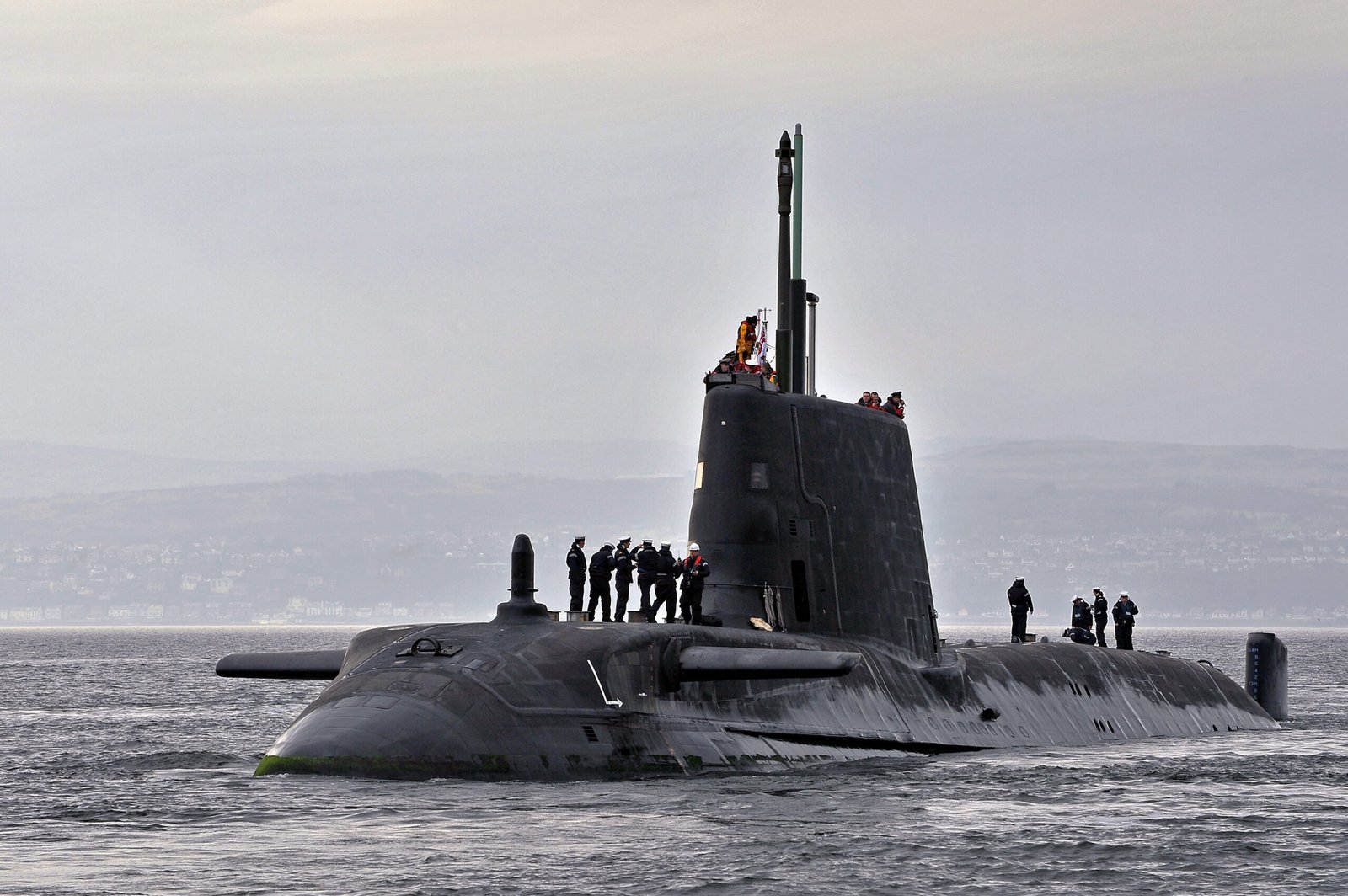
Atlantic Net will bring together advanced underwater sensors, communications, remote operations and data services into a single surveillance capability directed by the Royal Navy. Uncrewed systems will patrol the depths of the North Atlantic, hunting for threats, while the sensors will help detect Russian submarines and other hostile activity. The system is designed to give submarine-hunting warships and Astute-class submarines earlier warning of activity beneath the surface and a clearer picture of what is happening there.
The framework agreement is with Hampshire-based Ocean Infinity Solutions and will pave the way for £90 million of investment, supporting almost 200 skilled jobs at the company and across its supply chain. The Royal Navy said the network would work alongside its crewed fleet to hunt Russian submarines, protect the nuclear deterrent and guard the vast network of communications cables and energy infrastructure that connects and powers Britain and its allies.
Announcing the deal, defence minister Luke Pollard said the threats beneath the North Atlantic were changing and Britain was changing with them. “This investment gives the Royal Navy new technology to find threats earlier and protect our critical infrastructure, while also backing British business,” he said. “It shows that we’re getting on with the job of investing in our Armed Forces and strengthening our deterrence under the sea, to support our ultimate, nuclear deterrent.”
Western officials have warned that Russia has increased its activity around subsea infrastructure in recent years, raising fears of sabotage against cables carrying internet traffic and energy supplies. Atlantic Bastion is being developed alongside NATO and Joint Expeditionary Force allies to strengthen protection against interference, sabotage and hostile activity, with Atlantic Net intended to increase the scale, persistence and resilience of underwater surveillance. Specialist naval publication Navy Lookout reported that the aim is for Atlantic Net to be operational from 2027.
Sources: GOV.UK — “£90 million investment for new drones and sensors to protect undersea cables and hunt Russian submarines” (https://www.gov.uk/government/news/90-million-investment-for-new-drones-and-sensors-to-protect-undersea-cables-and-hunt-russian-submarines); Reuters — “Britain to invest £90 million in drones, sensors to counter Russian undersea threats” (https://www.reuters.com/world/uk/britain-invest-90-million-drones-sensors-counter-russian-undersea-threats-2026-11-10/)