






Haitians have welcomed El Salvador’s rapid military intervention in their country, heartened that someone is finally confronting the gang warfare that has claimed more than 20,000 lives in four years. But a month into President Nayib Bukele’s surge of some 2,000 soldiers, security experts say the force has not achieved concrete territorial gains — and its attempt to crush Haiti’s powerful gangs in the way Bukele did at home could run into serious roadblocks and put civilians at risk.
“There’s a theatrical component and that’s part of the shock and awe,” Robert Muggah, a Haiti adviser to the United Nations, told Reuters. “But it’s not yet resulting in the securing and holding of territory.”
Before October, El Salvador had about 120 non-combatants in Haiti as part of a UN-backed security force. That changed after four members of the Salvadoran contingent went missing on 18 October. Bukele rushed in more than 2,000 soldiers under a separate mission operating outside the UN mandate, saying the aim was to recover his missing countrymen. He has since launched airstrikes far from where the four disappeared, and neither Haiti nor El Salvador has disclosed the terms of their bilateral security agreement. Neither government responded to Reuters’ requests for comment.
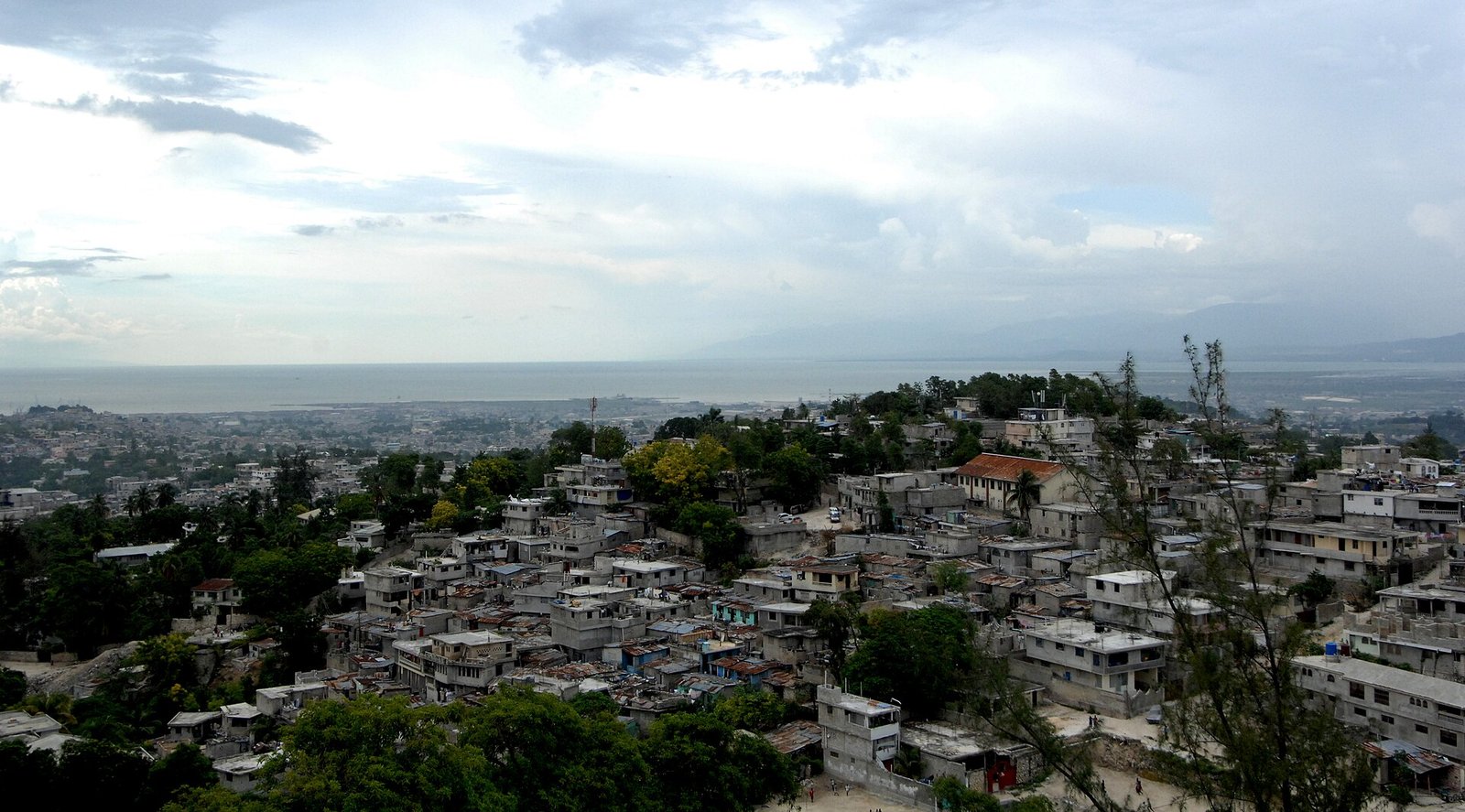
Haiti’s gangs have for years controlled more than 80 per cent of the capital, Port-au-Prince, as well as checkpoints along key roads and swathes of the country’s central breadbasket regions. They are accused of dozens of massacres, mass kidnappings and systemic gang rapes.
The US-based conflict monitoring group ACLED found that since Bukele deployed, clashes between all security forces and gangs have become both deadlier and more frequent. It recorded 317 deaths between 18 October, when the Salvadorans went missing, and 20 November — more than double the 135 recorded during the same period the previous month. At least 26 of the victims were civilians.
In mid-November, at least 10 more civilians were killed by gangs in Croix-des-Bouquets, on the outskirts of the capital near where the Salvadoran technicians disappeared, ACLED estimated. As security forces stepped up operations in the area, gangs attacked residents and searched their phones for evidence of support for Bukele, security experts said.
Haiti announced a plan to build Salvadoran-style prisons after its security minister visited one of El Salvador’s notorious incarceration facilities last week. But experts question whether the country could prosecute a wave of suspected gang members: Haiti’s frozen judiciary has not prosecuted a single massacre since 2018. “The judicial system, corrupt to the bone, needs competent judges to thoroughly review cases to secure convictions,” said Rosy Auguste Ducena, programme director at Haiti’s RNDDH rights group. “It is impunity that led us here.”
Back home, as Bukele prepares for presidential elections in February, the Haiti deployment has been popular, according to a poll published days after it began. But support could wane if casualties rise without results, experts said. Last week, the Salvadoran army said three soldiers had died in Haiti, the first casualties since the troop surge. Salvadoran security expert Luis Enrique Amaya said a protracted campaign would require a strong exit strategy. “If the government withdraws from Haiti, it must do so with a narrative of triumph,” he said.
This article is based on Reuters reporting alone; The Hourly News has not independently verified the casualty figures or the accounts attributed to unnamed sources in that report.
Sources: Reuters — “Bukele wins fans but few results a month into El Salvador’s deployment to Haiti”, 28 November 2026: https://www.reuters.com/world/americas/bukele-wins-fans-few-results-month-into-el-salvadors-deployment-haiti-2026-11-28/