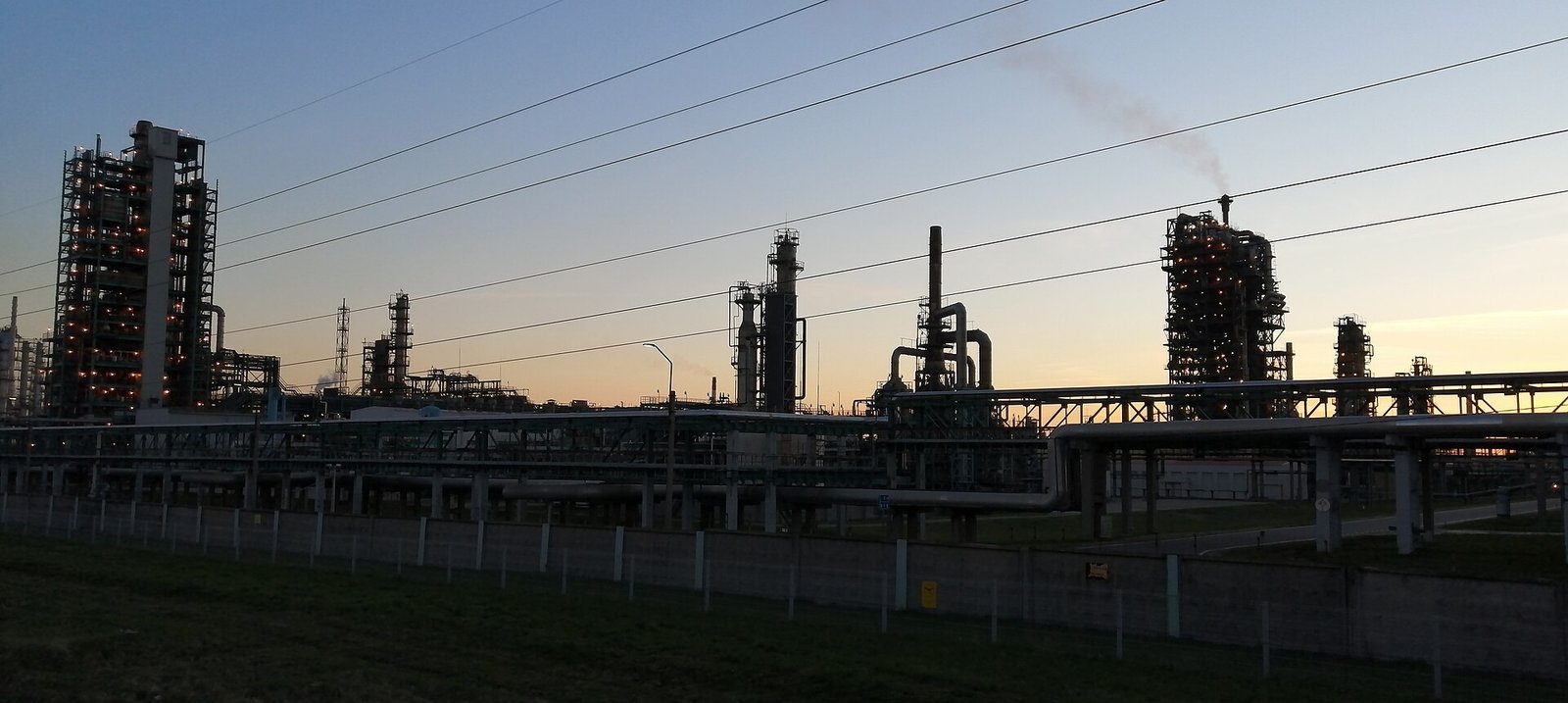







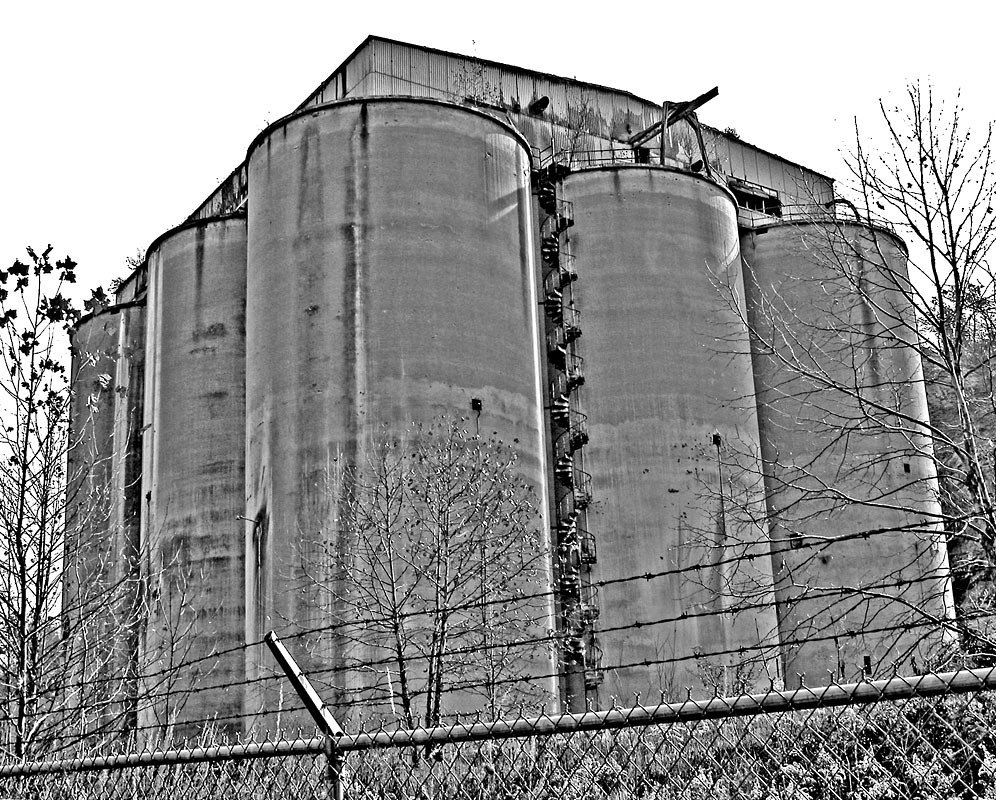
Concrete is the most consumed material on Earth after water, and making it carries a heavy climate cost. The cement and concrete sector is responsible for about 8% of global carbon dioxide emissions. China alone will produce 2 billion tonnes of cement this year, dwarfing the 490 million tonnes made by the second-largest manufacturer, India. With the United Nations estimating that 75% of all the infrastructure that will exist in 2050 is still to be built, cleaning up the material has become an industry priority.
A campaign launched at New York Climate Week aims to do just that. The Blend Better Cement campaign, run by the Intergovernmental Council for Buildings and Climate, is pushing governments and builders to switch to blended cement mixes, which replace part of the energy-intensive clinker in ordinary Portland cement with materials such as calcined clay, fly ash and blast-furnace slag. The campaign says these mixes can carry a carbon footprint up to 50% smaller than conventional cement. New analysis released at COP31 argues that increasing the proportion of blended materials in cement by 20 percentage points could reduce annual global CO2 emissions by almost 2%.
Turkey, co-host of COP31, has become the latest country to formally join the initiative, bringing the number of supporting countries to 14, including Brazil, France, Germany, Italy and the UK, alongside five African countries including Ethiopia, which will host next year’s COP. The campaign is urging governments to encourage uptake by writing low-carbon mixes into public-sector tenders and updating national building standards.
Procurement is the lever that matters most, according to the industry. “We could make all the blended cement in the world, but if we haven’t got anybody to purchase it, it’s not going to achieve the reductions we need,” said Diana Casey, cement and ESG director at the Global Cement and Concrete Association, one of the campaign’s sponsors. Government buying makes up a large share of the market for infrastructure projects, she said, and commitments to use blended cements would give producers the confidence to invest.
Blended cements bring extra benefits in the Global South, where they replace expensive imported clinker with locally available alternatives such as calcined clay, cutting energy use and keeping jobs local. Engineers are also finding new ways to activate those materials. Arup recently completed a tunnel on Britain’s HS2 high-speed rail project using concrete made from calcined clays dug from the construction site’s own spoil heap. Intensive grinding, known as mechanical activation, can turn inert clays and industrial wastes such as bauxite residue into material that replaces up to half of ordinary Portland cement in a mix. UK-based Material Evolution has developed a chemical process, alkali fusion, that it says allows as much as 95% of the cement to be replaced, cutting CO2 emissions by around 80%.
Obstacles remain. Blended mixes can take a few days longer to reach full strength, and building standards move more slowly than the technology. But the pressure to move is growing: many of the projects being designed today will still be under construction in 2030, and materials not tested, specified and approved now will not appear in the buildings and cities counted on to meet climate goals.
Sources: This article draws on a single source, Reuters, “Global push to slash the carbon footprint of cement gathers steam” (18 November 2026), https://www.reuters.com/sustainability/climate-energy/global-push-slash-carbon-footprint-cement-gathers-steam–ecmii-2026-11-18/