




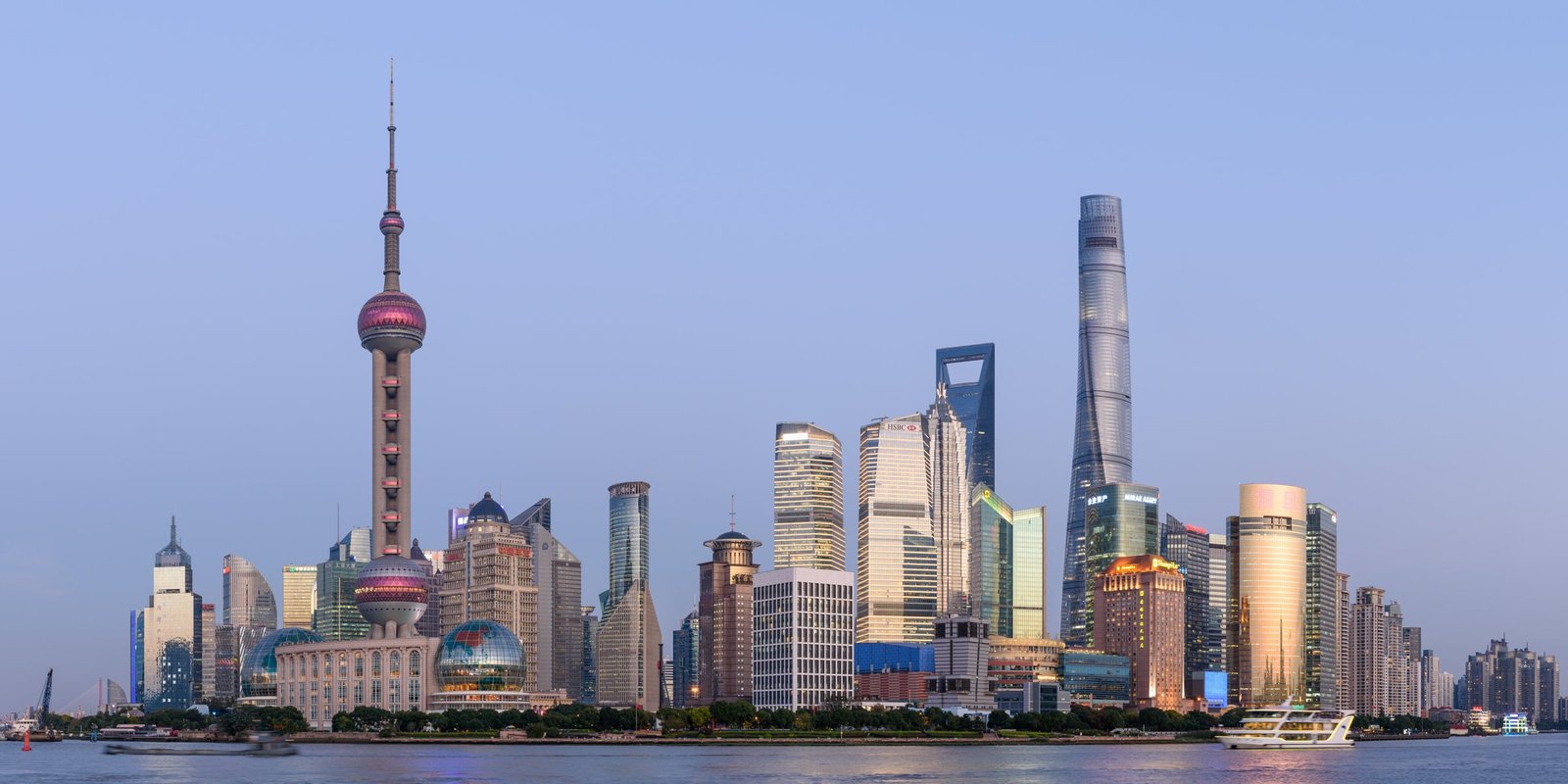
Chinese stocks roared up from 17-month lows on Friday, posting their biggest gains in more than two years after Beijing flagged a bigger role for state-backed investors in stabilising a struggling market.
The benchmark Shanghai Composite ended 3.7% higher and the blue-chip CSI 300 gained 4.2%, both their largest daily rises since October 2024, when China rolled out a massive stimulus package to revive the market. The tech-focused STAR 50 surged 15% for its biggest one-day jump in two years, while a sub-index tracking semiconductors soared 19%, its biggest single-day gain on record. In Hong Kong, the Hang Seng rose 2.1% and the Hang Seng Tech index jumped more than 6%.
The trigger was a readout from a meeting of China’s cabinet, the State Council, published by the official Xinhua news agency. It described capital markets as “crucial to overall economic development” and said China should step up share buybacks and dividend payouts by listed companies, and strengthen the role of the “national team” in stabilising the market.
The “national team” is traders’ name for a loose collection of state investors, led by Central Huijin, the domestic investment arm of sovereign wealth fund China Investment Corp, who tend to buy shares at times of stress. Xinhua reported that Central Huijin would enhance its role as a quasi-stabilisation fund to ensure ample liquidity and encourage more long-term money into shares.
The pledge follows relaxations to margin lending rules aimed at reducing selling pressure. Xinhua Finance separately reported that regulators would tighten rules on share sales by controlling shareholders of listed companies and guard against listings by firms that inflate earnings.
Prices have been sliding relentlessly since July on worries about weak consumer demand, the prolonged property downturn and the risk that trade tensions threaten exports, the economy’s one bright spot. Before Friday’s rally, the tech-heavy STAR 50 and ChiNext indexes had slumped roughly 50% since July, and the Shanghai Composite closed on Thursday at its lowest level since June 2025.
Market participants welcomed the signal. Kenny Ng, a strategist at China Everbright Securities International, called it “a shot in the arm for markets”, saying sentiment had been downbeat for so long and that at least now there was something to count on. Kenneth Goh of UOB Kay Hian said the move was designed to boost confidence and prevent negative spillovers, while Winnie Wu of BofA Global Research said the message from the very top was an attempt to “re-instill some confidence, stabilise liquidity and stabilise the trajectory of the market”.
It is rare for a State Council executive meeting to comment so directly on the markets — the last time was in 2024, when Beijing rolled out a liquidity support package. Whether the pledge changes the deep-seated wariness about Chinese equities remains to be seen; investors will have the weekend to weigh whether Beijing’s support marks a lasting turn.
Sources: Reuters — “China stocks shoot up after Beijing vows support” (https://www.reuters.com/markets/europe/china-stocks-shoot-up-after-beijing-vows-support-2026-11-27/) and “VIEW: China markets surge as Beijing unleashes national team” (https://www.reuters.com/markets/europe/view-china-markets-surge-beijing-unleashes-national-team-2026-11-27/); MarketWatch — “China leads Asian stocks higher after Beijing pledges more support” (https://www.marketwatch.com/livecoverage/stock-market-today-dow-s-p-500-nasdaq-thanksgiving-holiday-shortened-black-friday-trading/card/china-leads-asian-stocks-higher-after-beijing-pledges-more-support-OV2FvI2UcsWdV2r84Q8U).