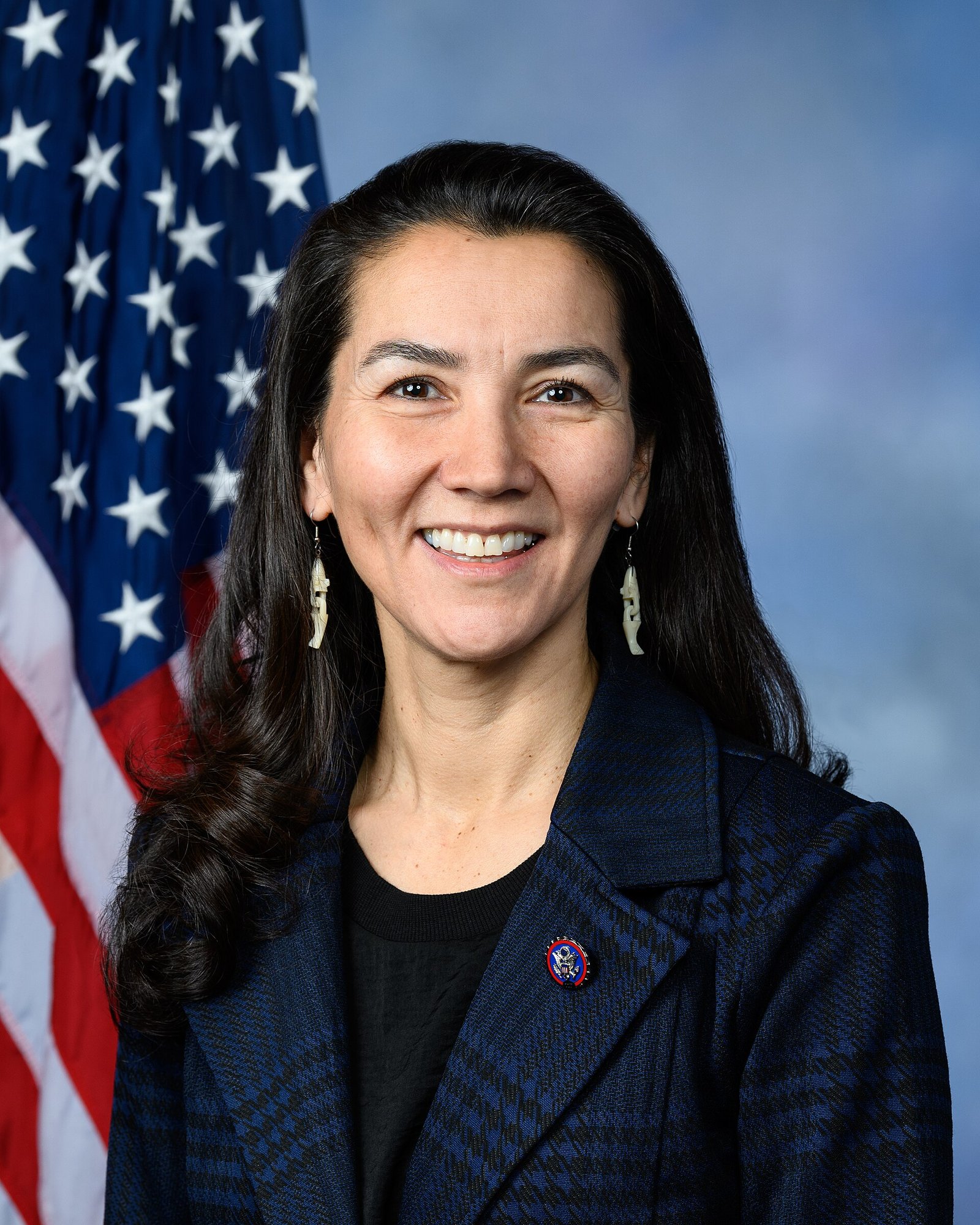










Democrat Jonathan Kreiss-Tomkins has won the race for governor of Alaska, the Associated Press projected early on Saturday, after more than a week of counting votes from the 3 November midterm elections.
Kreiss-Tomkins, a former state representative from the small island community of Sitka, took 50.8 per cent of first-choice votes — 139,293 ballots, according to the Alaska Division of Elections’ unofficial results — clearing the outright majority needed to win under the state’s ranked-choice system without a runoff. His closest rival, Republican businesswoman Bernadette Wilson, backed by President Donald Trump, finished second with 28.1 per cent. Former Anchorage mayor Dave Bronson took 13.6 per cent and former attorney general Treg Taylor 7.2 per cent.
At 37, Kreiss-Tomkins will be the youngest governor in Alaska’s history, and the youngest sitting governor in the United States when he takes office at noon on 7 December. He succeeds Mike Dunleavy, a Republican who has governed the state since 2018 and was barred by term limits from seeking a third consecutive term. The last Democrat to hold the office was Tony Knowles, who left in 2002; Kreiss-Tomkins is the first Democrat elected governor of Alaska since 1998.
His Republican rivals have conceded. Wilson and Bronson both accepted the result after the count showed Kreiss-Tomkins above 50 per cent of first-choice votes, removing any need for the ranked-choice tabulation in the governor’s race.
Kreiss-Tomkins, known by his initials JKT, campaigned on what he called a “high-energy, bipartisan, problem-solving approach”, pledging to build an administration of Democrats, Republicans and independents and describing himself at a debate as a “man of the middle”. He was endorsed by three former governors — a Democrat, a Republican and an independent — along with Republican Senator Lisa Murkowski.
“Alaskans have had enough of zero-sum partisan politics,” he said in an interview just before voting in Anchorage on election day. “I strongly believe people just want things to work, and want people to work together.”
Voters also rejected Ballot Measure 2, which would have scrapped Alaska’s ranked-choice voting system, according to a separate Associated Press call, keeping the system in place.
The result adds to a sweeping Democratic advance in the midterms. With Kreiss-Tomkins’ win and other victories, Democrats will hold 30 governors’ offices across the country, up from 24. Alaska’s Senate race remains the only statewide contest still undecided, with Democrat Mary Peltola leading Republican Dan Sullivan by more than 10,000 votes ahead of a ranked-choice tabulation on 18 November.
Kreiss-Tomkins takes over a state where voters have complained loudly that things are not working as they should. Rising costs and relatively flat state funding have forced schools to close and class sizes to rise, while already-high prices for food, fuel and housing have climbed sharply. A looming shortage of easily accessible natural gas near the state’s population centres threatens to push prices higher still, and Alaskans have been leaving the state for more than a decade.
The results remain unofficial until the Alaska Division of Elections certifies them on 25 November, with preliminary final results expected on 18 November.
Sources: Associated Press, via Alaska Public Media — “Democrat Jonathan Kreiss-Tomkins wins race for Alaska governor, replaces a Republican” (https://www.whro.org/2026-11-14/democrat-jonathan-kreiss-tomkins-wins-race-for-alaska-governor-replaces-a-republican); Alaska Division of Elections unofficial results, via KTUU.