









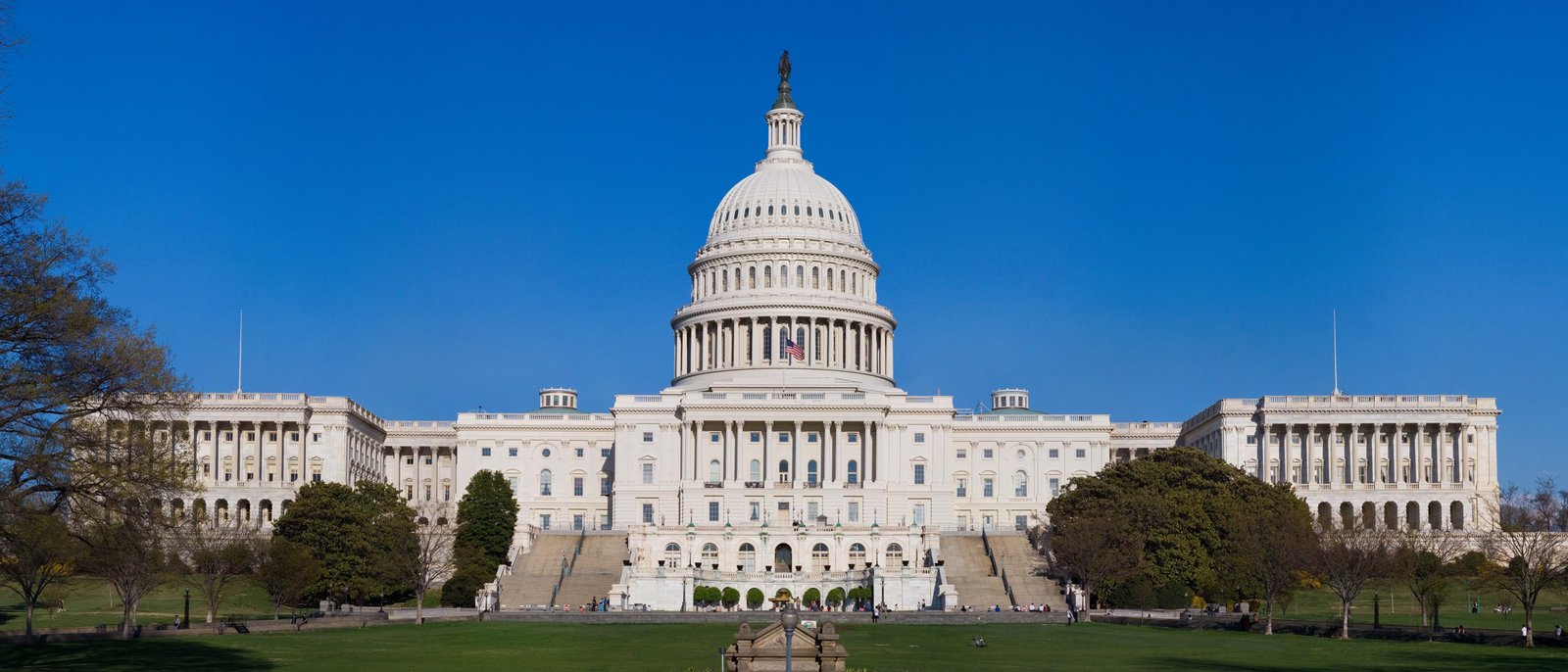
The Democrats’ resounding sweep to majorities in both chambers of Congress gives them a powerful platform to scrutinise President Donald Trump’s trade policies, but trade and legal experts say it leaves them largely unable to overturn his tariffs or rescind the trade authorities behind them.
The scale of the wins in the House of Representatives and the Senate gives Democrats a chance to use their authority over government agency funding to seek concessions from Trump on trade and other issues. Trade advisers, however, are telling clients to temper any expectations that the vote will lead to near-term changes in tariff policy.
“The swing in Congress, the results of the election, are very unlikely to have a significant impact on the president’s trade agenda and the tariffs that are in place,” said Blake Harden, managing director for trade policy at Ernst & Young’s Washington Council office. “This is because there is so much trade authority within the executive branch that’s been delegated by Congress.”
Harden and other trade experts said the major focus for Democrats will be oversight investigations and hearings on the trade committees that will come under Democratic control. Democrats have expressed a desire to rescind some of the archaic trade laws that Trump has used to impose tariffs, such as his punitive duties on Canadian imports under the nearly century-old, never-before-used Section 338 of the Tariff Act of 1930.
The parliamentary arithmetic is daunting. With at least 235 seats, according to Reuters’ latest projections, Democrats would have an easier time passing such legislation. But with 54 Senate seats, and up to two more depending on the outcome of races in Mississippi and Alaska, Democrats would still need some Republican votes to overcome the 60-vote threshold needed to beat the Senate filibuster. The numbers needed to override a presidential veto are even more daunting: 67 senators and 290 House members. Note that these seat figures are projections and some races remain outstanding.
But with some news outlets such as NBC estimating a Democratic House majority of 258 members, some in Democratic circles are contemplating the possibility that, under certain circumstances, enough Republicans could be persuaded to help override a veto, said Greta Peisch, who served as general counsel at the US Trade Representative’s office during the Biden administration. “It still feels like a stretch, but it seems like a question that should be asked,” said Peisch, now a trade partner at Wiley Rein in Washington.
Democratic Representative Richard Neal, who is expected to return to the chairmanship of the tax- and trade-focused House Ways and Means Committee, said Democrats would craft an agenda “that puts people’s needs first” but was short on specifics. “We know they are tired of paying for Trump’s needless war with Iran and price-hiking tariffs every time they visit the checkout counter or the gas pump,” Neal said in a statement.
Democrats will find plenty of material to investigate in hearings on the handling of Trump’s trade policies, such as the influence of big companies on the determination of tariff exemptions and the negative effects of tariffs on small businesses, said William Reinsch, non-resident trade adviser at the Center for Strategic and International Studies. “It’s not hard to find small businesses that will come in with sad stories about how the tariffs are putting them out of business,” Reinsch said.
But he said that while Democrats may be focused on undoing negative aspects of Trump’s tariff policies, they have yet to coalesce around a more proactive trade agenda. And rescinding all of Trump’s tariffs in the name of affordability may not be a goal of the party, which has traditionally been supportive of many tariffs to protect key industries. Former President Joe Biden kept all of Trump’s tariffs on Chinese goods in place and added to them with 100% duties on electric vehicles and high duties on other strategic goods.
The election result is not expected to deter Trump from pursuing new tariffs under open trade investigations, such as a Section 301 unfair trade practices probe into excess industrial capacity, which could lead to new duties on goods from China, India, Vietnam and more than a dozen other major trading partners. Trump has advocated for tariffs for decades and believes in their ability to win concessions from trading partners, said Kelly Ann Shaw, a trade partner at Akin Gump and a former White House trade adviser during Trump’s first term. “I don’t think he’s going to let his foot off the gas. He’s in legacy-building mode right now,” she said.
But as the end of Trump’s term starts to come into view, it is unclear whether trading partners will be as willing to negotiate concessions, Shaw said. On Wednesday, Canada’s trade minister for US trade, Dominic LeBlanc, said the US election would not change Ottawa’s stance on trade negotiations with the US and that Canada was pressing ahead with talks.
Sources: Reuters, “Democrats gain influence over trade agenda, but tariff repeals to hit Trump veto wall”, 5 November 2026, https://www.reuters.com/legal/transactional/democrats-gain-influence-over-trade-agenda-tariff-repeals-hit-trump-veto-wall-2026-11-05/