








Scientists in Australia have identified a small stretch of DNA that helps the body hold back the growth of the most common form of breast cancer, a finding that could point to new ways of treating patients whose disease has stopped responding to hormone therapy.
The research, led by Adelaide University and published in the journal npj Breast Cancer, centres on the androgen receptor, a protein that responds to male hormones such as testosterone and is already known to suppress tumour growth in oestrogen receptor-positive (ER+) breast cancer. ER+ disease accounts for up to 80 per cent of breast cancers, with tumour growth driven by the hormone oestrogen.
The team had previously identified a gene called ZBTB16 as a possible contributor to that tumour-suppressing effect, and higher levels of the gene had been linked to improved survival in patients with ER+ breast cancer. But when the researchers altered ZBTB16 levels in breast cancer cells, the androgen receptor’s ability to restrain growth did not change.
“The surprising finding was that ZBTB16 itself was not responsible for the growth-suppressing effect,” said Dr Amy Dwyer, of Adelaide University’s School of Medicine and the study’s corresponding author. “Instead, we found that a small DNA ‘switch’ sitting inside the gene helps the androgen receptor to restrain cancer cell growth.”
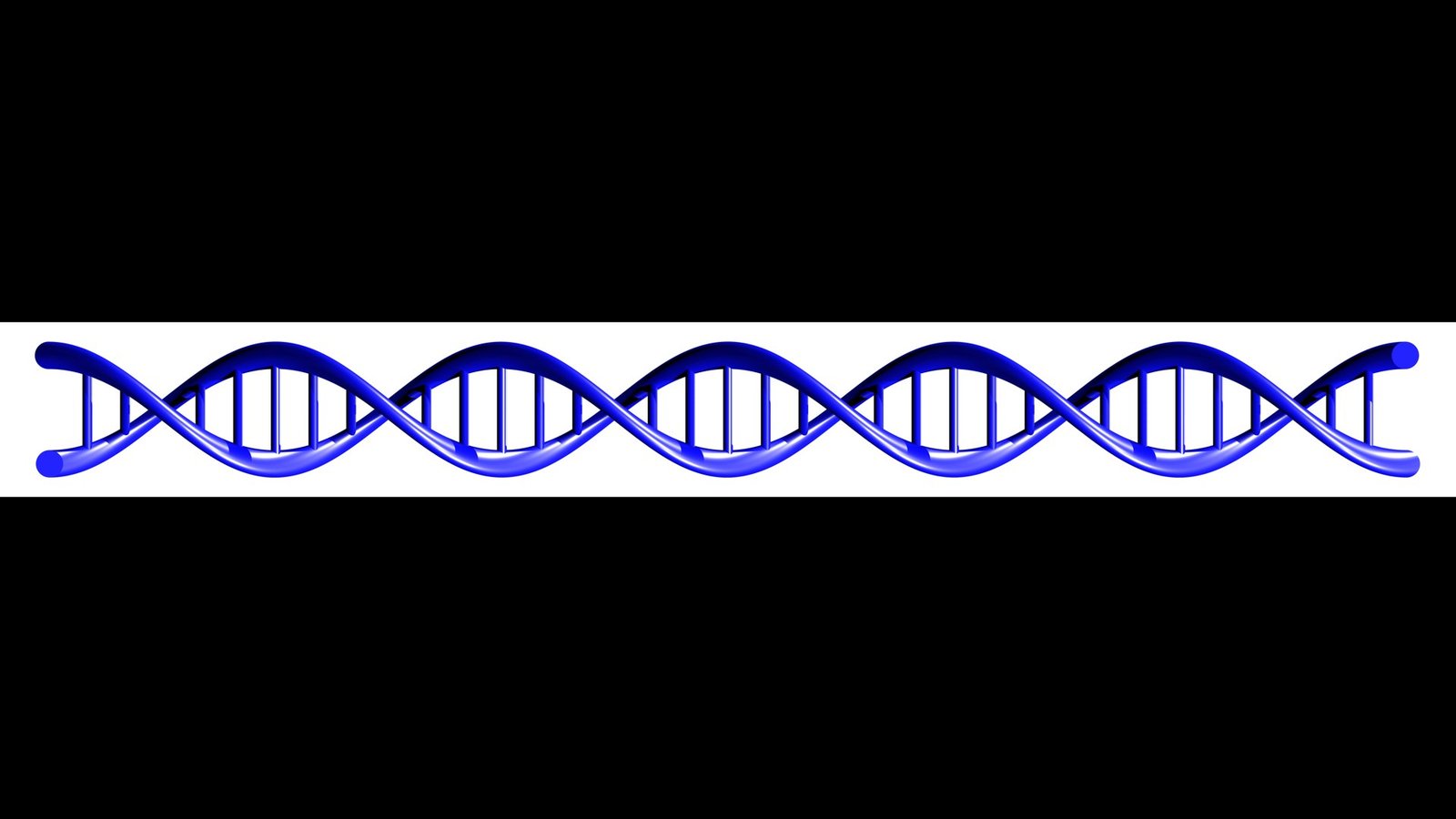
The switch, named HRRINT3, is an enhancer: a short section of DNA that helps control gene activity. When activated by androgens, hormones present in both women and men, the androgen receptor binds to this enhancer. Using CRISPR gene-editing technology, the researchers deleted a small section of HRRINT3 — about 200 DNA letters — and found the androgen receptor could no longer suppress breast cancer cell growth as effectively. They also observed broader disruption of androgen receptor signalling and increased activity in genes that drive cell division.
In unedited cells, the hormone trimmed oestrogen-fuelled growth by 38 per cent over a week. Removing the switch also led to a rapid increase in growth in other androgen receptor-positive breast and prostate cancer cell models, suggesting the element may play a wider role in restraining tumour growth across several cancers.
The work was carried out with colleagues at the University of Bordeaux in France, and involved researchers from Adelaide University’s School of Medicine, the South Australian immunoGENomics Cancer Institute and the South Australian Health and Medical Research Institute.
The finding is early-stage science, and the researchers are clear about its limits: all of the experiments were done in laboratory-grown cells, not in patients, so the work does not show that manipulating the switch would slow cancer in people. But it adds a new piece to the understanding of how the androgen receptor holds ER+ breast cancer in check, and the team says it could eventually help doctors identify and treat patients with advanced disease who have stopped responding to hormone therapies. A separate phase 2 trial of enobosarm, a drug that activates the androgen receptor, has already reported clinical benefit at 24 weeks in 32 per cent of patients with a certain type of advanced breast cancer.
“This discovery gives us a new piece of the puzzle in understanding how the androgen receptor suppresses ER+ breast cancer,” Dwyer said. “Ultimately, this work could help us develop better ways to identify and treat patients with advanced disease who have stopped responding to hormone therapies.”
Sources: Medical Xpress, “DNA ‘switch’ uncovers new brake on breast cancer growth” (https://medicalxpress.com/news/2026-11-dna-uncovers-breast-cancer-growth.html); Wajahat et al., “A functional role for an intronic enhancer of ZBTB16 in AR-mediated tumour suppression in ER+ breast cancer”, npj Breast Cancer (https://doi.org/10.1038/s41523-026-01037-5).