








An exceptionally strong El Niño could cut Ivory Coast’s cocoa production by as much as a quarter in the 2026/27 season, according to a report from the country’s national weather agency seen by Reuters.
The National Meteorology Directorate of SODEXAM, the state agency that monitors the weather event, described the coming “Super El Niño 2026-2027” as “structurally severe”. Forecasters have warned it could become one of the strongest El Niño events on record if Pacific Ocean warming continues on its current course.
Ivory Coast is the world’s largest cocoa producer, harvesting more than two million metric tons last season, according to exporters. A fall of 21% to 25% would remove roughly half a million tons from world supply and put fresh upward pressure on chocolate prices, which have already been volatile after poor harvests in West Africa in recent years.
The agency warned that annual rainfall could fall by 10% to 27%, with a shorter rainy season and a longer dry season. Higher temperatures would compound the damage, disrupting planting calendars and straining water reservoirs and hydroelectric dams.
“The water deficit combined with high temperatures causes wilting and premature drop of young pods, flower abortion and tree defoliation,” the report said.
The warning is already being borne out in the fields. “Cocoa arrivals are below all of our initial forecasts,” the director of a European cocoa export company based in Abidjan told Reuters. “We have to admit that production isn’t late; it’s actually down. Today we are wondering whether 25% is still too optimistic, because production really isn’t good.”
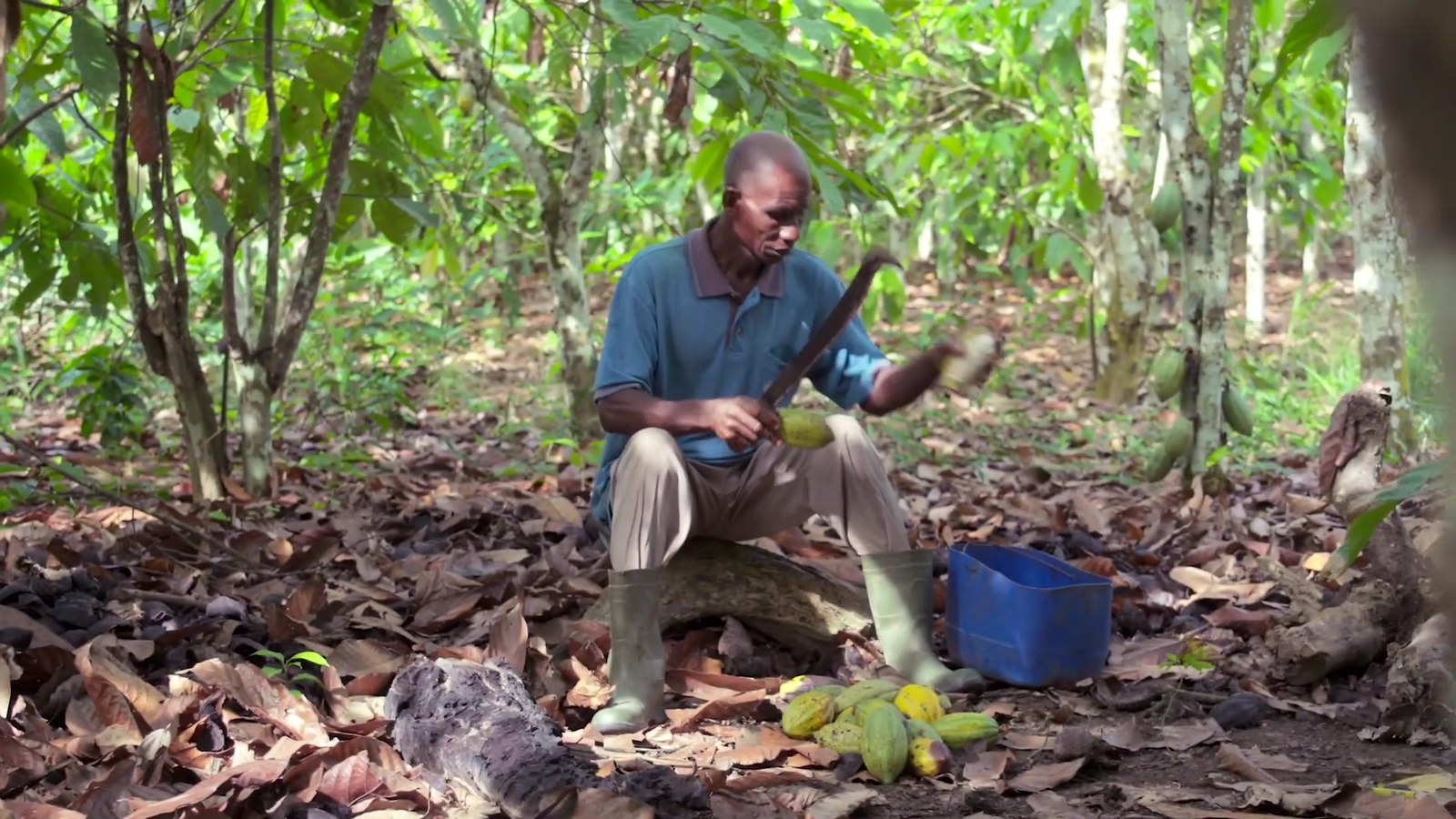
The strain is visible at farm level. Simplice Koua, who farms six hectares in Duekoue, had sold 14 bags of cocoa of 80 kg each by this time last year. This year he has sold three. He had expected a late crop to pick up in November. “We are in November, but production hasn’t moved,” he said.
Ivory Coast decided in June to temporarily halt sales of export contracts for its 2026/27 main crop, after selling about 1.15 million tons, while it waited for a clearer harvest estimate.
The African Development Bank told Reuters in July that El Niño was likely to cut the economic output of heavily affected African countries by 1% to 2% on average, a combined hit of $10 billion to $20 billion across the continent.
Note: the production figures in this article are based on a SODEXAM report seen by Reuters; the agency has not published the report publicly.
Sources: Reuters, “Ivory Coast cocoa production could fall 25% from El Nino, weather agency says” — https://www.reuters.com/markets/commodities/ivory-coast-cocoa-production-could-fall-25-el-nino-weather-agency-says-2026-11-11/