







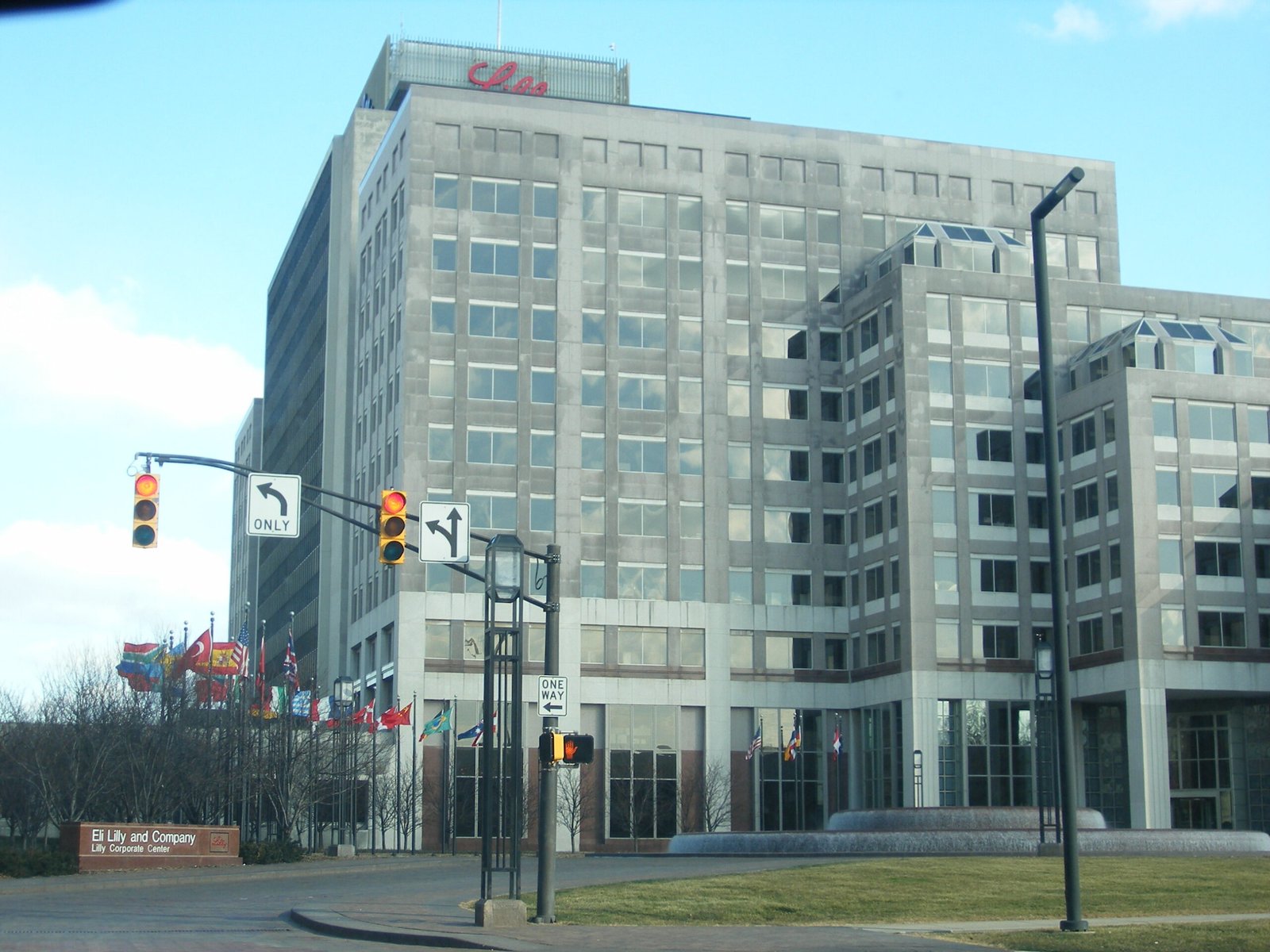
Eli Lilly said on Monday that its once-daily weight-loss pill Foundayo significantly reduced breathing interruptions during sleep in adults with obesity and moderate-to-severe obstructive sleep apnoea, meeting the main goal of a late-stage trial programme.
The results come from ATTAIN-OSA, a pair of 52-week studies involving 712 adults. In the first study, of 363 participants who were unable or unwilling to use positive airway pressure (PAP) therapy — the mask-based treatment that is the current standard of care — Foundayo cut the number of breathing pauses per hour by up to 44 per cent compared with placebo. In the second study, of 349 participants who continued using PAP therapy, the pill reduced breathing interruptions by 27.5 per cent.
Participants taking the drug also lost about 28 pounds (12.7 kilograms) on average over the study period, regardless of whether they used PAP therapy. The pill also reduced hypoxic burden — a measure of how much and how long blood oxygen levels fall during sleep — by 55.9 per cent in participants not using PAP therapy and by 45.8 per cent in those using it.
The findings were presented on Monday at the American Heart Association Scientific Sessions in Chicago and published simultaneously in the Journal of the American Medical Association.
Foundayo, known generically as orforglipron, belongs to the GLP-1 class of drugs that has transformed the treatment of obesity and diabetes. It was approved in the United States for weight loss earlier this year, and an oral pill — rather than a weekly injection — is seen as a potentially far more convenient option for patients. Lilly said it plans to submit the sleep apnoea data to the US Food and Drug Administration before the end of 2026 to seek an expanded indication.
The results were largely expected by investors, Citi analyst Geoff Meacham said, but they still matter commercially: sleep apnoea affects tens of millions of adults, many of whom abandon their CPAP machines because they find them uncomfortable, and no oral drug is currently approved for the condition.
There are limits to what the trial shows. The drug eased the condition rather than curing it — a substantial proportion of participants still had moderate-to-severe sleep apnoea at the end of the 52 weeks, according to an accompanying editorial in JAMA. Gastrointestinal side effects, common across the GLP-1 class, affected between 68 and 71 per cent of participants taking the drug. And the findings rest on company-announced results from trials published in JAMA; the FDA will now review the full data before deciding whether to approve the new use.
Sources: Reuters, “Lilly’s weight-loss pill improves sleep apnea in late-stage trial” (9 November 2026), https://ktwb.com/2026/11/09/lillys-weight-loss-pill-meets-main-goal-in-late-stage-sleep-apnea-study/ ; Eli Lilly and Company / Journal of the American Medical Association, ATTAIN-OSA trial results presented at the American Heart Association Scientific Sessions, Chicago, 9 November 2026.