








The European Union and Canada have stepped up cooperation on artificial intelligence-powered climate modelling, signing an arrangement to work together through Destination Earth, the EU’s flagship project to build a digital twin of the planet.
The Administrative Arrangement was signed on 30 October in Montreal, at the EU-Canada Summit, by the European Commission and Environment and Climate Change Canada. It builds on the EU-Canada Digital Partnership launched in December 2025 and is intended to turn complex Earth-system data into practical intelligence for civil protection authorities, regional planners and policymakers.
Destination Earth, known as DestinE, is developing a highly accurate digital replica of the Earth system to simulate, anticipate and respond to environmental challenges. By combining its modelling capabilities with Canadian environmental data and scientific expertise, the two sides say they aim to fast-track tools for climate adaptation and to improve climate risk assessment and disaster preparedness.
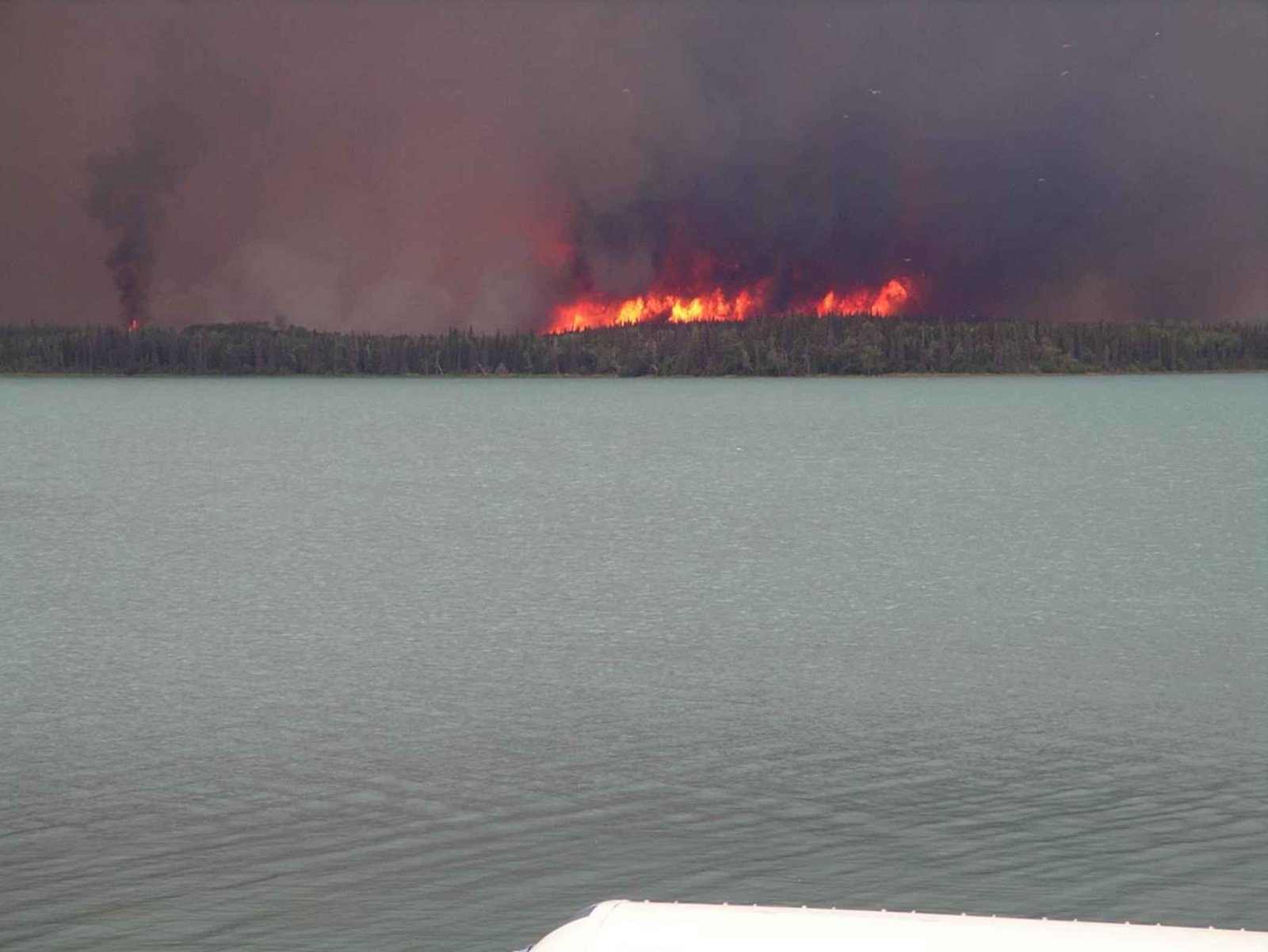
The joint work will focus on three priorities. The first is wildfire behaviour and prediction: advancing AI algorithms to anticipate when fires ignite, how they spread and how they feed back into the atmosphere, giving first responders crucial lead time. The second is Arctic climate dynamics, including sea ice decline, permafrost thaw, polar vortices and shifts in the stratosphere. As changes in the Arctic increasingly drive weather disruption across the Northern Hemisphere, sharper modelling is meant to help protect vulnerable communities and lower adaptation costs in Canada and northern Europe.
The third priority is regional resilience beyond borders, with high-resolution forecasting and climate risk modelling for vulnerable regions, including collaborative modelling support for the Caribbean. The Commission says the cooperation reflects a shared commitment to innovation, sustainability and human-centred technology, and to harnessing digital tools for the public good.
The arrangement sits alongside other digital cooperation agreed at the same summit, including Canada joining the European High-Performance Computing Joint Undertaking, which links European and Canadian supercomputing, quantum computing and AI computing ecosystems. Discussions also covered Arctic connectivity and the technical interoperability of EU and Canadian digital identities and credentials.
One limit is worth noting plainly: the announcement as published does not specify new funding commitments, implementation deadlines or measurable targets for the Destination Earth work, so the practical test will be whether joint model runs and usable warning tools follow. That detail is reported from the published announcement, not from any separate funding document.
Sources: European Commission, “EU and Canada partner to tackle climate risks through Destination Earth” (30 October 2026), https://digital-strategy.ec.europa.eu/en/news/eu-and-canada-partner-tackle-climate-risks-through-destination-earth ; DiploFoundation, “EU and Canada strengthen AI-powered climate modelling” (2 November 2026), https://dig.watch/updates/eu-canada-ai-climate-modelling