








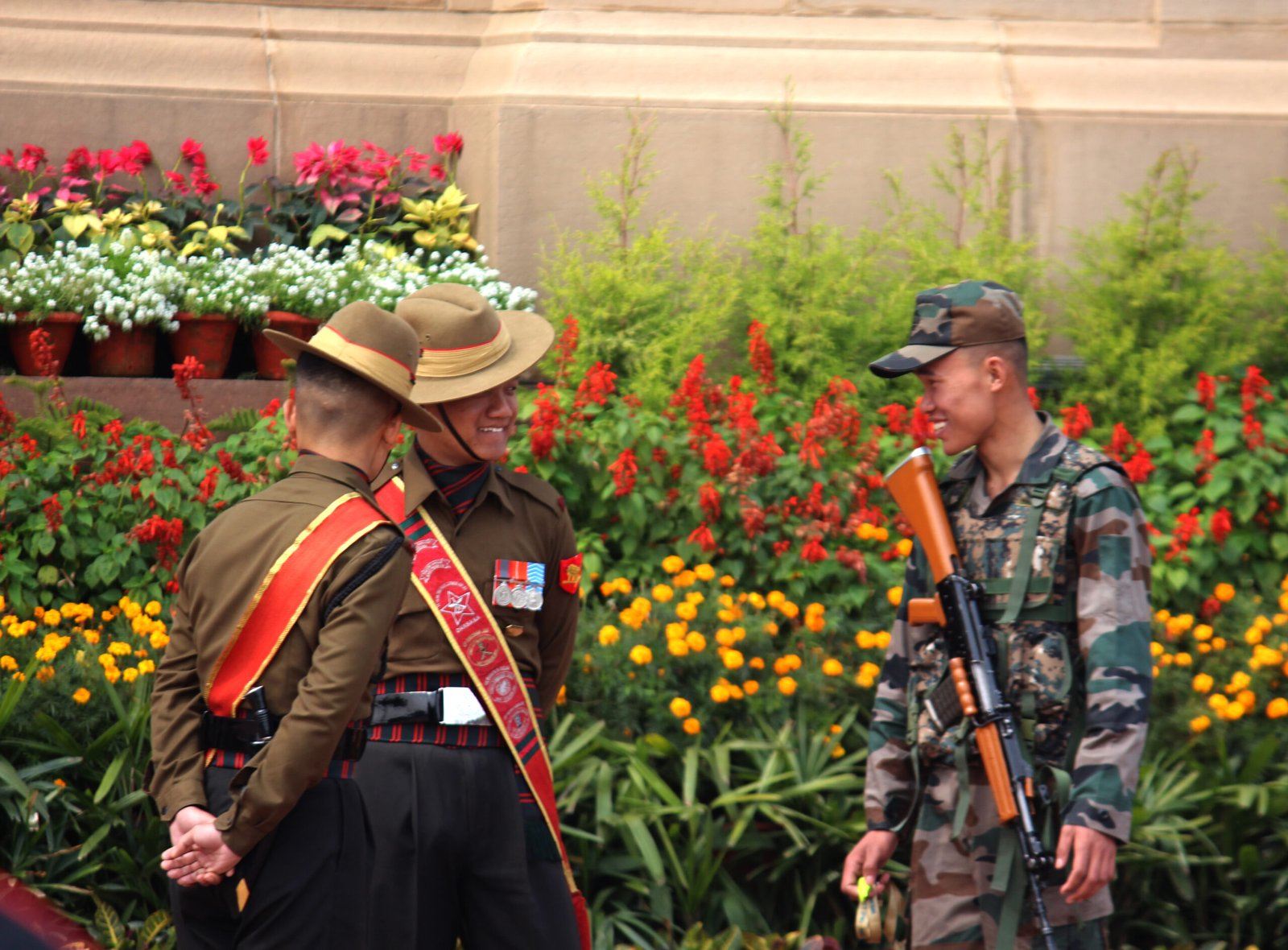
India has overhauled its short-service military recruitment scheme, offering thousands of young soldiers the chance to serve two years longer than planned — and a renewed route into a permanent career.
The Union Cabinet, chaired by Prime Minister Narendra Modi, approved the change on 4 November, creating what the government calls a “Second Tour of Duty” for Agniveers, the recruits who serve under the Agnipath scheme. Chief of Defence Staff General N. S. Raja Subramani announced the decision after the Cabinet meeting in New Delhi.
Under the revised arrangement, the 25% of Agniveers selected on merit for regular service after their initial four years will continue as before. The remaining 75%, who were previously due to leave the armed forces at the four-year mark, will now be offered an additional two-year engagement on a voluntary basis.
Those who take up the extension will serve six years in total. At the end of that period, willing personnel will get another opportunity to be enrolled as regular soldiers, subject to meeting objective selection criteria. The four-year tenure itself has not changed, and the scheme has not been discontinued — a point General Subramani stressed in his briefing.
The second engagement will carry higher pay, an enhanced Seva Nidhi package and cumulative seniority benefits. Officials said the total financial package for an Agniveer completing the full extended period would amount to about ₹10.92 lakh. The recommendation for the change came from the military leadership itself, after three to four months of structured evaluation across the three services.
The decision lands just weeks before the first batch of Agniveers completes its initial tenure. About 18,000 recruits from that first intake — drawn from the Army, Navy and Air Force — were due to leave service in December 2026, and the extension gives them an immediate alternative to civilian life.
Agnipath, introduced on 14 June 2022, was designed to keep the armed forces younger and leaner by recruiting soldiers for four-year terms, with only a quarter retained permanently. The model has been politically contested since its launch, with critics arguing that it leaves most recruits without long-term security after a brief stint in uniform.
Defence Minister Rajnath Singh described the extension as part of long-term structural reforms aimed at building a younger, fitter and technologically equipped military. Home Minister Amit Shah also welcomed the decision. Opposition parties were less convinced: the NCP-SP’s Clyde Crasto called it an “election gimmick” and asked what would happen to those who had already completed their four-year tenure and moved into other work.
For the recruits themselves, the immediate reaction was relief. Families and defence aspirants interviewed by the news agency IANS welcomed the extra two years, saying it gave young soldiers more time to serve — and more time to prove themselves for a permanent place in the forces.
Whether the new pathway delivers on that promise will depend on how many Agniveers take up the extension, and how many of them ultimately clear the bar for regular enrolment. For now, the Cabinet’s decision answers the most urgent question facing the scheme’s first generation: what happens next.
Sources: ANI, “‘Agnipath’ scheme was not set in stone: CDS Gen NS Raja Subramani on 2-year extension of Agniveers, outlines pathway to regular army enrollment”, https://www.dailyprabhat.com/agnipath-scheme-was-not-set-in-stone-cds-gen-ns-raja-subramani-on-2-year-extension-of-agniveers-outlines-pathway-to-regular-army-enrollment/ ; IANS, “‘More time to serve the nation’: Agniveers, families welcome two-year extension”, https://ianslive.in/more-time-to-serve-the-nation-agniveers-families-welcome-two-year-extension–20261104204803