





Sahida Fakir left her home in Mumbai on 19 July to buy vegetables, telling her younger son she would be back in minutes. More than three months later, the 38-year-old is living in a village in Bangladesh, separated from her husband and two sons.
Fakir told Reuters that plainclothes officers detained her, seized her phone — which she said contained copies of her identity documents — and eventually forced her across the border. Court filings show the officials belonged to the Mumbai police crime branch.
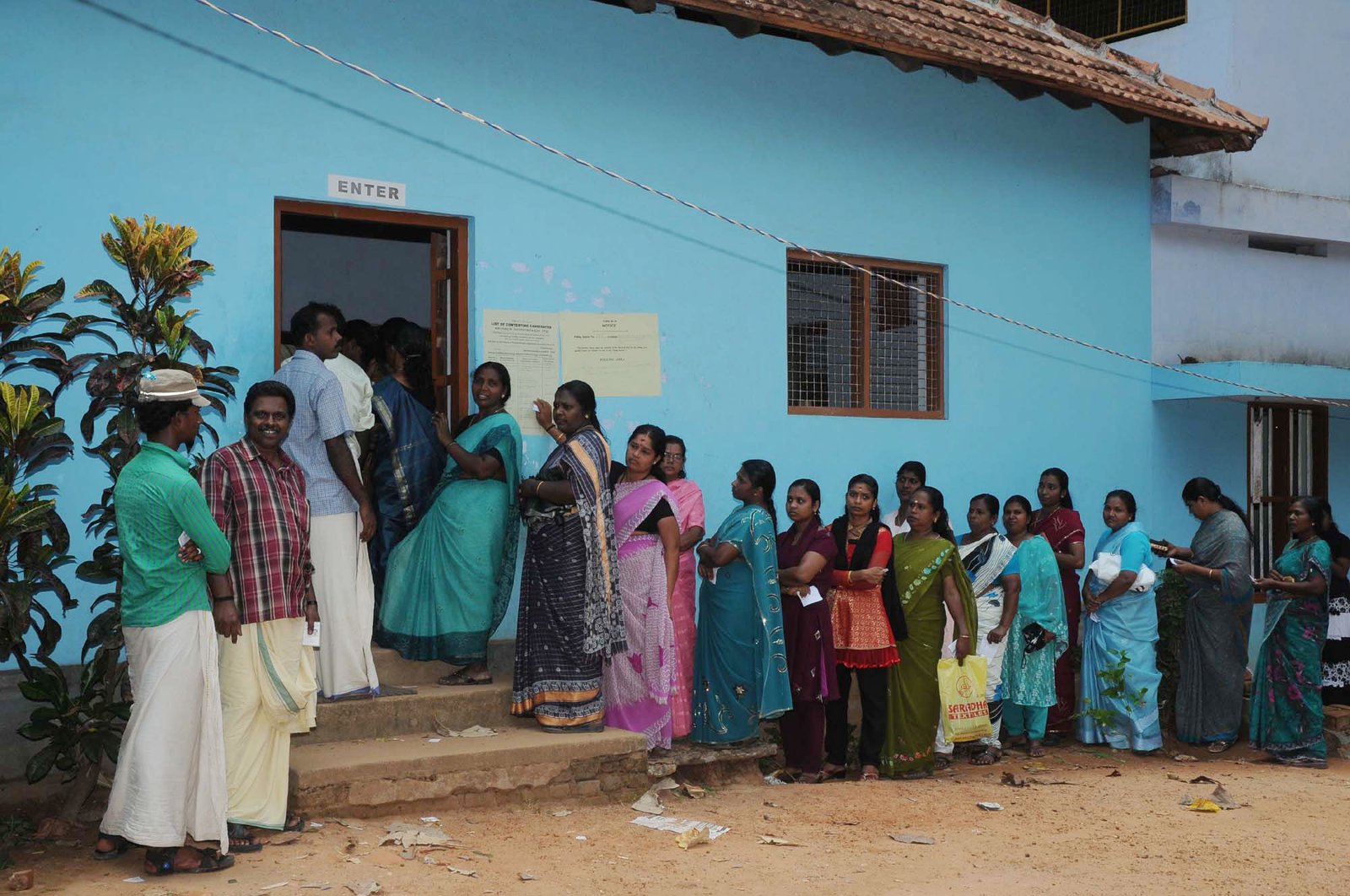
She is one of 10 families Reuters interviewed whose relatives were detained, deported or questioned after being dropped from the revised rolls. The revision struck 130 million names nationwide, the largest deletion of voters in India’s history, and data shows the omissions disproportionately affect Muslims.
In West Bengal, where the revision has run furthest, around nine million names were cut ahead of state elections earlier this year. Muslims made up about 70 per cent of the 2.7 million names deleted after a closer review, despite accounting for 27 per cent of the population, the Sabar Institute found.
Home Minister Amit Shah explicitly linked the voter-roll revision to expulsions on 5 November. “It is the BJP’s resolve that we will detect infiltrators, remove them from the electoral rolls, and after that, we will pick them out one by one and expel them from the country,” he said. The party denies targeting legitimate citizens.
Fakir said she was pushed into Bangladesh at 1 a.m. from an unmanned, unfenced stretch of the border. Court filings show she was among 149 people deported during that operation. Her family has petitioned the Supreme Court, arguing that deletion from the electoral roll cannot determine citizenship. Her family has voted in West Bengal since 1952, and she has been on the rolls since 2008. Mumbai’s Foreigners Regional Registration Office told the Calcutta High Court that she produced a Bangladeshi birth certificate and no credible proof of Indian citizenship. Fakir disputed that, saying the authorities seized her phone.
In another petition before the Calcutta High Court, utensil hawker Nasiruddin Sheikh said he and 22 others were detained by police while working in Chhattisgarh after their names were removed from the rolls. Nineteen were released after 14 days; Sheikh and three others remained in custody for 32 days. “A policeman told me, ‘Your name is not in the voter list. You are a Bangladeshi,'” he said. He described a centre with beds for more than 60 people. “It was a jail in every sense. We couldn’t go outside,” he said.
Police and state lawyers have told the Calcutta High Court that West Bengal has no permanent detention camps, but at a holding centre in Murshidabad, Reuters reporters saw people peering from windows. “There are millions of cases against deletion of names from voter list and people are waiting for justice,” activist Kirity Roy said. “The tribunals are slow.”
This account is based on Reuters’ investigation; Indian authorities did not respond to requests for comment.
Sources: Reuters, “Deleted from India’s voter rolls, some Muslims face detention, deportation” (16 November 2026), https://www.reuters.com/world/asia-pacific/deleted-indias-voter-rolls-some-muslims-face-detention-deportation-2026-11-16/