



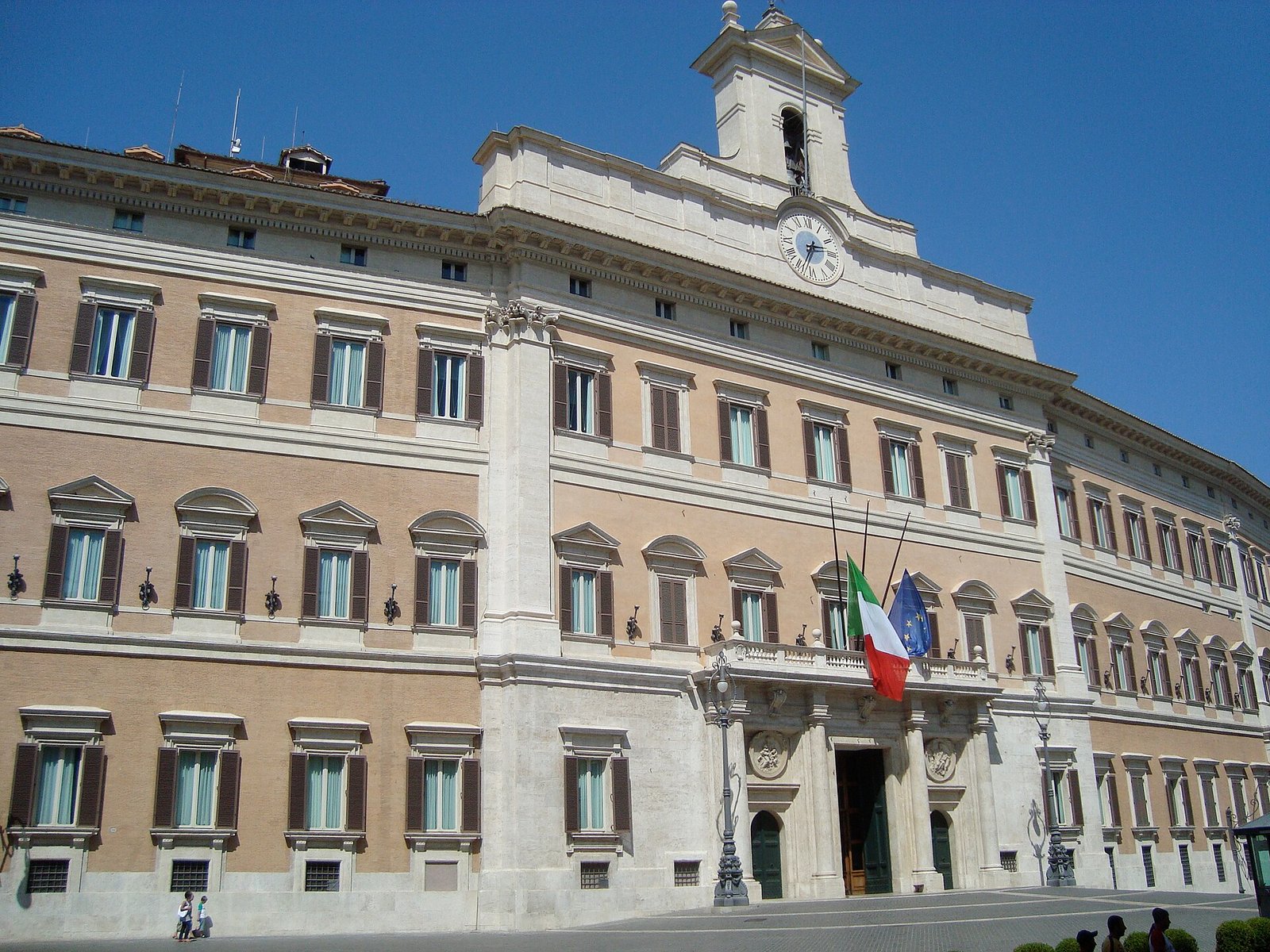
Italy has approved a controversial education law banning face coverings in schools and capping the share of foreign pupils in first-year classes at 30 per cent, after parliament gave the measure its final approval on Thursday.
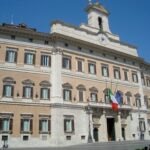
The Chamber of Deputies, Italy’s lower house, passed the decree — known as the Decreto Scuola — by 142 votes to 112, with four abstentions. The Senate had already approved it on 20 November.
Under the new rules, students will not be allowed to take part in school activities with their faces covered in a way that prevents identification, a provision aimed at the burqa and the niqab. The hijab, which leaves the face visible, remains permitted. Reports say breaches can attract fines of up to €1,000.
From the 2027-28 school year, foreign pupils who do not have a sufficient command of Italian will be limited to 30 per cent of each first-year class at primary and secondary schools. The cap will not apply to children who already speak Italian adequately, or who were born in Italy or have attended Italian schools for a set period. The decree also requires foreign parents whose limited Italian hampers communication with schools to attend language courses if instructed to do so by social services.
The package also includes measures to support pupils with disabilities, tackle cyberbullying and prevent dropouts, and a 50 per cent cut in the price of digital textbooks — a point that caused a rift inside the ruling coalition in the Senate, with Forza Italia opposing it and Brothers of Italy backing it.
Education Minister Giuseppe Valditara defended the decree as a step towards genuine integration. “We provide concrete solutions for Italian families and reinforce every student’s right to academic success,” he said, adding that integration should be based on command of the Italian language and adherence to shared rules.
The opposition accused the government of discrimination. Democratic Party leader Elly Schlein said schools did not need “caps designed to exclude foreign children” but better infrastructure and staffing, and argued that in the face of a “demographic winter” Italy should be expanding full-day schooling and psychological support. Opposition MPs protested during the final vote, holding up a sign reading “At school nobody is a foreigner”.
Prime Minister Giorgia Meloni announced earlier this year that her government was preparing the measures. France and Belgium already ban concealing the face in public places, while Austria restricts face coverings in educational institutions.
Sources: ANSA (https://top-news.shepherdgazette.com/lower-house-approves-govts-school-decree-setting-foreign-kids-cap-ansa/) and The Times of India (https://www.educationtimes.com/news/italy-bans-burqa-and-niqab-in-schools-limits-foreign-students-to-30-per-classroom-under-new-education-rules/articleshow/136240875.cms)