








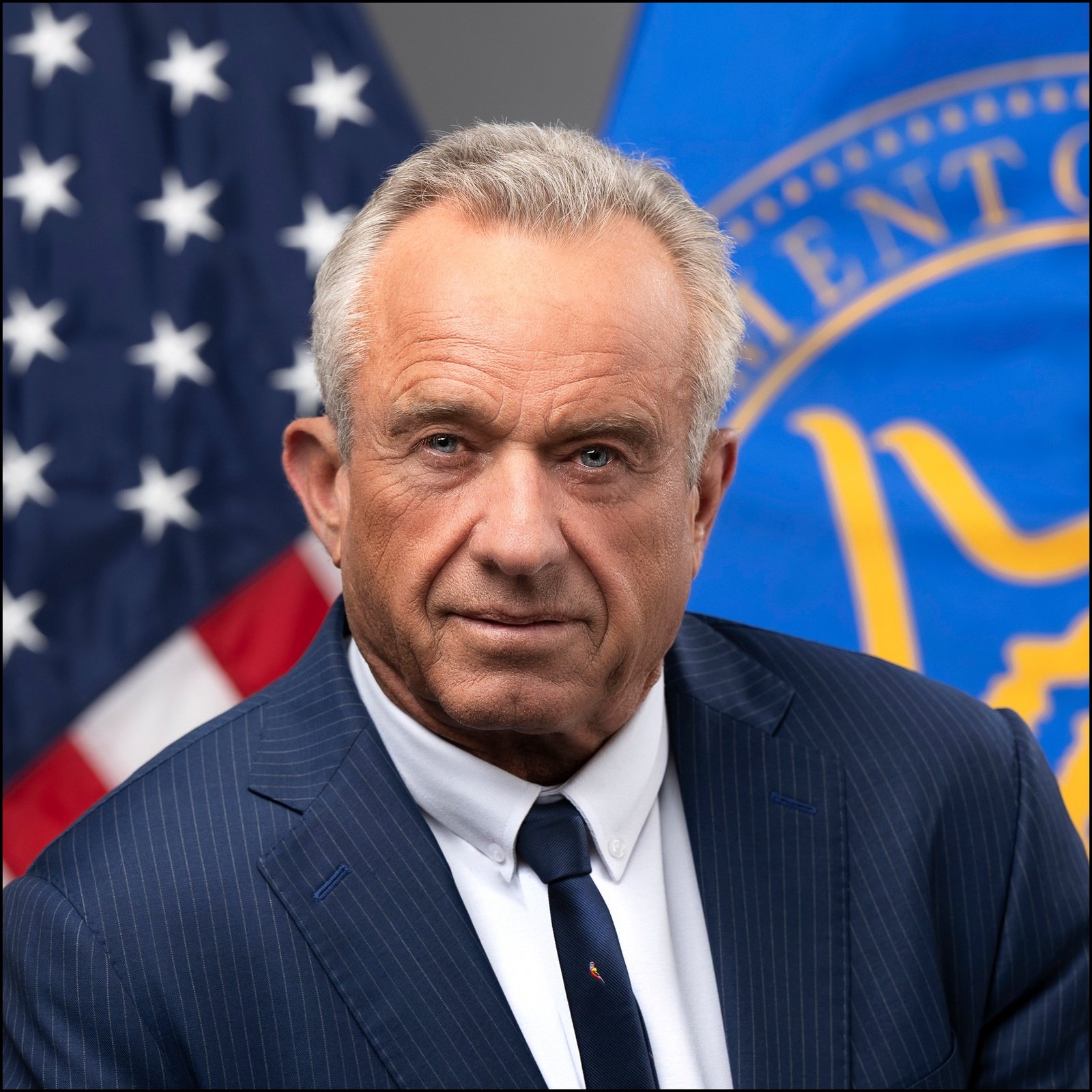
The United States health secretary, Robert F. Kennedy Jr., has moved to widen access to six unproven peptide drugs, overruling objections from the Food and Drug Administration’s own scientific staff.
The Department of Health and Human Services (HHS) announced on 28 October a draft enforcement-discretion policy covering BPC-157, TB-500, MOTS-c, Epitalon, KPV and Semax. Under it, state-licensed pharmacies, federal facilities and licensed physicians may compound the peptides for individual patients on prescription, while the FDA works through permanent rules for compounded drugs. None of the six has been approved by the FDA.
The policy is not an approval. It directs the FDA not to take enforcement action against compounders who meet ten conditions, including a prescription naming the patient, only one active ingredient per preparation, ingredients bought from FDA-registered facilities with certificates of analysis, and reporting of side effects.
The decision exposes an open split inside the federal health agencies. The Associated Press reported, citing six people familiar with the policy’s development, that most FDA scientific staff opposed the plan and had little say in writing it. HHS first sought a formal FDA regulation adding the peptides to the list of bulk substances eligible for compounding, but FDA officials said staff had major safety concerns and would not support a rule deeming them safe, so HHS switched to an enforcement-discretion policy drafted largely by the department itself.
The FDA’s drug-review centre recommended against listing any of the six. Its reviewers found insufficient evidence to establish safety or effectiveness for any of them, and no human studies for TB-500. In July, an outside advisory committee nevertheless voted to recommend easing restrictions on six of the seven peptides it reviewed, against the advice of FDA staff.
The peptides are popular in wellness and fitness circles, promoted for muscle recovery, wound healing, sleep and energy. In 2023 the FDA barred compounding of BPC-157 and TB-500, citing risks including allergic reactions, kidney damage and tumour growth, and reviewers have raised a theoretical concern that BPC-157 could help a tumour grow.
Mr Kennedy has said he used BPC-157 for a muscle injury and has described himself as a “big fan” of peptides. HHS argues that regulated access will steer patients away from foreign suppliers selling “research-use-only” peptides of uncertain quality. Critics disagree. Dr Peter Lurie, a former FDA official who now leads the Center for Science in the Public Interest, noted that rigorously tested approved drugs already exist for the conditions the peptides are promoted for, and warned the FDA lacks legal power to enforce the policy’s safeguards. The Partnership for Safe Medicines has filed a petition asking the FDA not to permit compounding of the peptides.
The policy was published in the Federal Register on 30 October and is open for public comment until 13 November. It creates no rights, is not binding, and HHS says it may be withdrawn if a safety signal or quality problem emerges.
Note on sourcing: the claim that most FDA scientific staff opposed the plan rests on six unnamed people cited by the Associated Press; it has not been independently confirmed by the agencies.
Sources: Associated Press — “FDA scientists opposed the Trump administration’s effort to ease peptides access” (https://www.renalandurologynews.com/news/unproven-peptides-opposed-by-fda-scientists-could-soon-be-easier-to-get/); Science-Based Medicine — “Not Approved, Not Listed: The HHS Peptide Proposal” (https://sciencebasedmedicine.org/not-approved-not-listed-the-hhs-peptide-proposal/); BioProcess International — “HHS greenlights sale of six peptides despite FDA guidance” (https://www.bioprocessintl.com/regulations/hhs-greenlights-sale-of-six-unapproved-peptides-despite-fda-guidance).