







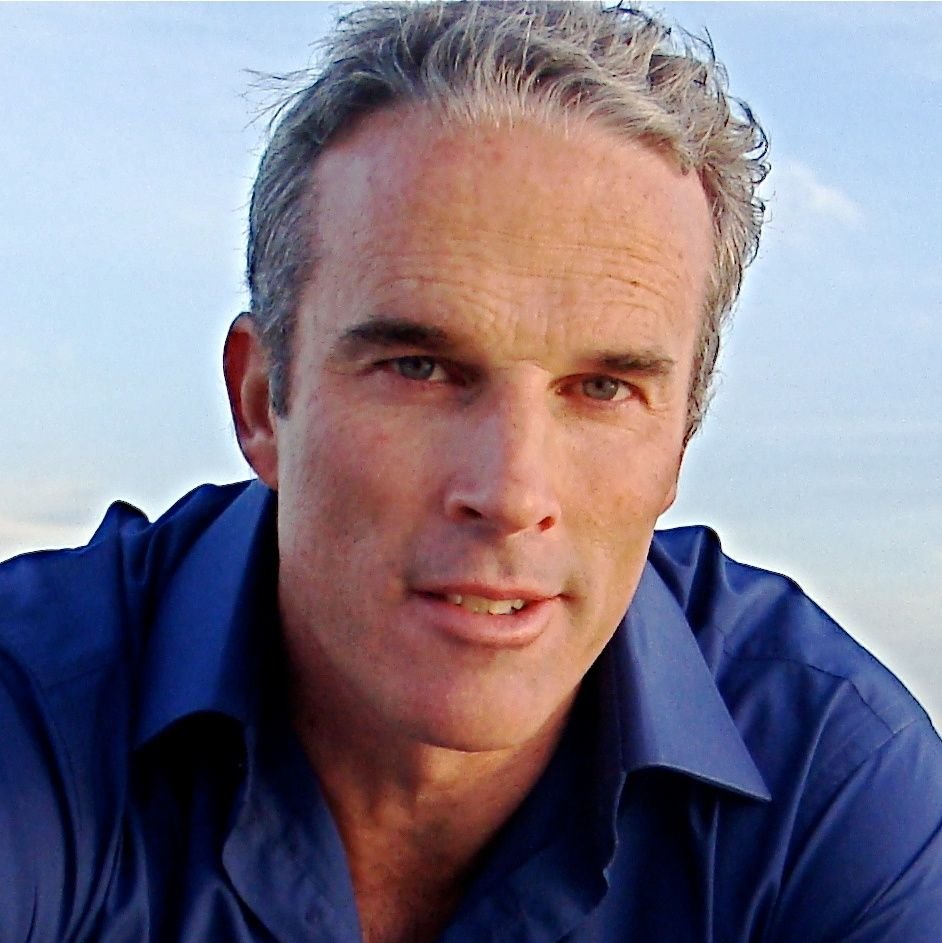
Lewis Pugh, the 56-year-old British endurance swimmer and United Nations Patron of the Oceans, has swum through the Strait of Hormuz to highlight the threat the war with Iran poses to marine life. Over three days this week he covered about 15 kilometres (9.3 miles) in sections, starting from Oman’s Musandam Peninsula and finishing by rounding the Cape of Hormuz. He is believed to be the first person to attempt a long-distance swim in the strait since the war began.
Minutes after he entered the water on Monday, two explosions rocked the sea. “I looked up and I could see that an oil tanker about four kilometres away had been hit,” Pugh told the Associated Press after returning to London. “The explosion was so loud, two booms, and then fighter jets coming in. And at that moment I realized we have to get out of here right now.” He pressed on, passing another vessel that sent fireballs into the sky after it was attacked. On the second day, he swam past a gas carrier that had been struck, its spilled chemicals setting the water around it alight. “I’ll never ever forget going past that gas carrier, the smell of the chemicals and then the flames, they were literally like fireballs going up into the sky. Around the ship, the water was on fire.”
Iran has stepped up attacks in recent weeks on vessels it says travelled along unauthorised routes through the strait, seeking to assert control over the waterway. Several tankers have also struck mines laid by Tehran, in some cases exploding and bursting into flames, among them one carrying more than two million barrels of oil last month. Before the United States and Israel launched the war on 28 February, about a fifth of all traded oil passed through the strait.
Pugh warned that oil and chemicals leaking from the dozens of tankers damaged since February could cause lasting harm to the region’s wildlife, coastlines, coral reefs and mangrove forests. “Most people, when they think about the Strait of Hormuz, they think of a shipping lane,” he said. “But it is also one of the most beautiful places I have ever been … it’s one of the treasure troves of the natural world.” He described large groups of dolphins following his boat, along with turtles and ospreys, and recalled seeing hundreds of turtles during a swim along the Omani coast before the war. Recovery, he said, would take years, even decades.
Pugh has spent much of the past 40 years swimming in extreme conditions to press for action to protect marine environments, from Antarctica to the Red Sea and the English Channel. He was the first athlete to swim across the North Pole and to complete a long-distance swim in every one of the world’s oceans, and in 2023 he swam all 507 kilometres of the Hudson River to highlight the importance of clean rivers. His foundation says the challenges have helped secure official agreements to protect more than 3.5 million square kilometres of vulnerable ocean.
His message, he said, is simple: “We’ve got to stop the war. We’ve got to open the strait, and we’ve got to clean up the pollution.”
Note: this account is based on the Associated Press’s interview with Pugh; figures for tankers damaged in the strait have not been independently verified by The Hourly News.
Sources: Associated Press — https://www.tricityrecordnm.com/articles/associated-press-new-mexico/endurance-athlete-swims-in-strait-of-hormuz-to-highlight-iran-wars-impact-on-wildlife/