






Nigeria’s Independent National Electoral Commission (INEC) has removed 1,609,553 records from the national voters’ register after a nationwide clean-up uncovered multiple registrations, manipulated photographs and other irregularities ahead of the 2027 general election.
INEC chairman Joash Amupitan announced the figures at a press conference in Abuja on Monday, saying the commission had also identified 54 officials across 10 states as complicit in the irregularities. Those officials face disciplinary action and possible prosecution.
The removed records comprise 1,608,660 confirmed invalid registrations and 873 entries belonging to verified deceased voters, which were treated as a separate category.
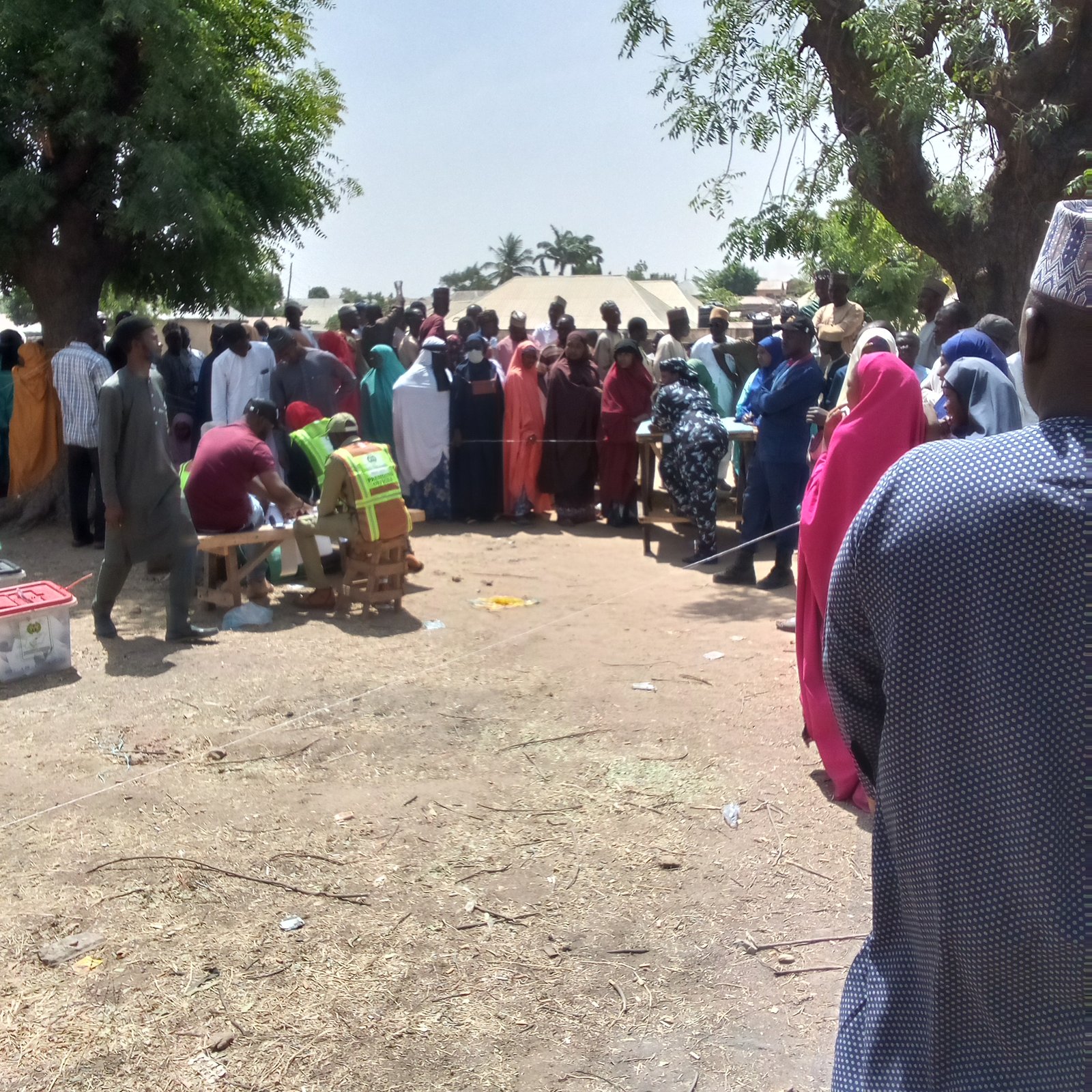
The clean-up followed the display of the preliminary register at ward level between 9 and 15 October and its subsequent publication online, which drew complaints, claims and objections from members of the public. INEC said it waited for the 14-day statutory period under Section 19(2) of the Electoral Act 2026 to expire before responding.
The commission harvested 11,088,238 records from the three phases of the 2025/2026 Continuous Voter Registration exercise. Its Automated Biometric Identification System initially flagged 1,545,052 of those for examination, though Amupitan stressed that being flagged did not automatically mean a registration was invalid, as each case was subjected to adjudication.
Before the preliminary register was published, 1,277,052 registrations had already been confirmed invalid and excluded. A further 331,608 invalid records were identified after the public display, bringing the total removed to 1,608,660.
Amupitan also said the commission would now extend its scrutiny to the historical register, covering records dating from 2011 to 2023, after concerns that questionable entries from earlier registrations could remain on the roll. Duplicates and other obviously irregular records already flagged through public complaints should be removed after proper verification, he said.
The final register of voters is scheduled for publication on 15 December 2026, with final reconciliation, quality assurance and publication checks still to be completed. The clean-up comes as Nigeria prepares for a general election in 2027, and the commission had earlier deferred a nationwide voter revalidation exercise until after the elections, following stakeholder concerns about its proximity to polling day and its possible effect on participation.