

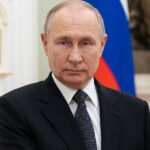




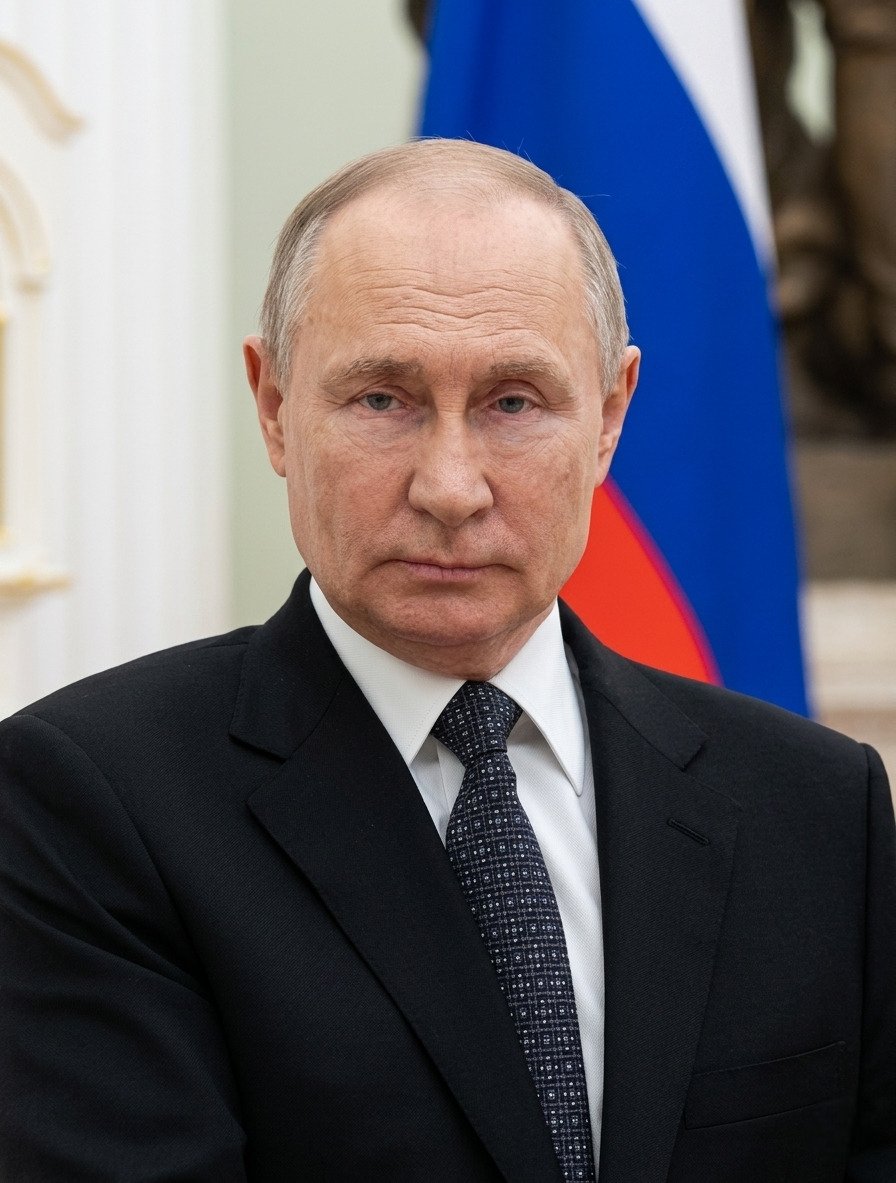
President Vladimir Putin has agreed to let European representatives join the next round of Ukraine peace talks, a United States envoy said on Thursday, in what could be a significant shift in the diplomacy around the war.
US presidential envoy Steve Witkoff announced the move after meeting Putin in the Kremlin, saying the Europeans would take part in the next session of the talks. “The Europeans will join at the next meeting, which we consider to be a very important moment because they are our partners and it’s important to us that they take part,” Witkoff told Russian state television.
Witkoff and fellow US envoy Jared Kushner then flew to Ireland, where they met Ukrainian President Volodymyr Zelenskiy. Zelenskiy said he was pleased at the prospect of European participation and hoped the agenda would include steps towards a ceasefire and de-escalation.
“It’s important that everything is unblocked,” Zelenskiy said after the meeting in Dublin, where he was attending a European summit. “We decided that we will work on an agenda about any kind of de-escalation, some kind of ceasefires… I hope that we will have such agenda. Yes, this is important.”
The development follows two days of trilateral talks in Abu Dhabi this week, the first direct US-mediated negotiations between Russia and Ukraine in nine months. Both sides said there had been some progress, but major differences remained, including on territory. Russia holds about a fifth of Ukraine, and Kyiv refuses to give up the rest of the Donbas region in its east.
There are, however, reasons for caution. In a briefing after the Kremlin talks, Putin aide Yuri Ushakov did not confirm that Europeans would join the next round, and described their current stance on Ukraine as “a recipe for endless war.” The Kremlin has therefore not itself confirmed the arrangement Witkoff announced.
Putin also used the meeting to underline how far apart Moscow and European capitals remain over how the war should end. He warned that the European idea of sending Western troops into Ukraine once a peace deal was concluded would trigger a resumption of the war, because Russia would see it as a threat to its own security.
“We would very much like you, gentlemen, and the US administration as a whole, to work with your European allies so that they can finally make up their minds as to what they want: peace or war in Ukraine,” Putin said.
Kushner told Putin during the talks that Washington had detected what he called “a big change” on the European side and was confident that expanding the talks to include the Europeans would not hinder progress. Putin said Moscow had always been open to talking to the EU about Ukraine, but signalled serious outstanding differences.
Putin also told the envoys that Russia was proposing a joint Russian-Ukrainian humanitarian mission to Kostiantynivka in eastern Ukraine, which he said Moscow controlled — an assertion Ukraine has disputed. He said Russia needed five days to clear the area of mines, with 400 to 500 residents still there, and that the mission would allow the world to understand who controlled the city. Ushakov said the US envoys had welcomed the idea and would be in touch about it. Kyiv has expressed concerns that Moscow might use such ceasefires to enable its military to regroup.
Sources: Reuters — “Putin lets Europe join Ukraine peace talks, Zelenskiy welcomes prospect of European participation” (https://q106fm.com/2026/11/12/putin-lets-europe-join-ukraine-peace-talks-as-kyiv-says-starshield-disrupted-again/, syndicated Reuters report by Andrew Osborn and Padraic Halpin, 12 November 2026). Note: the Kremlin has not itself confirmed that Europeans will join the next round of talks; that detail rests on the US envoy’s account.