









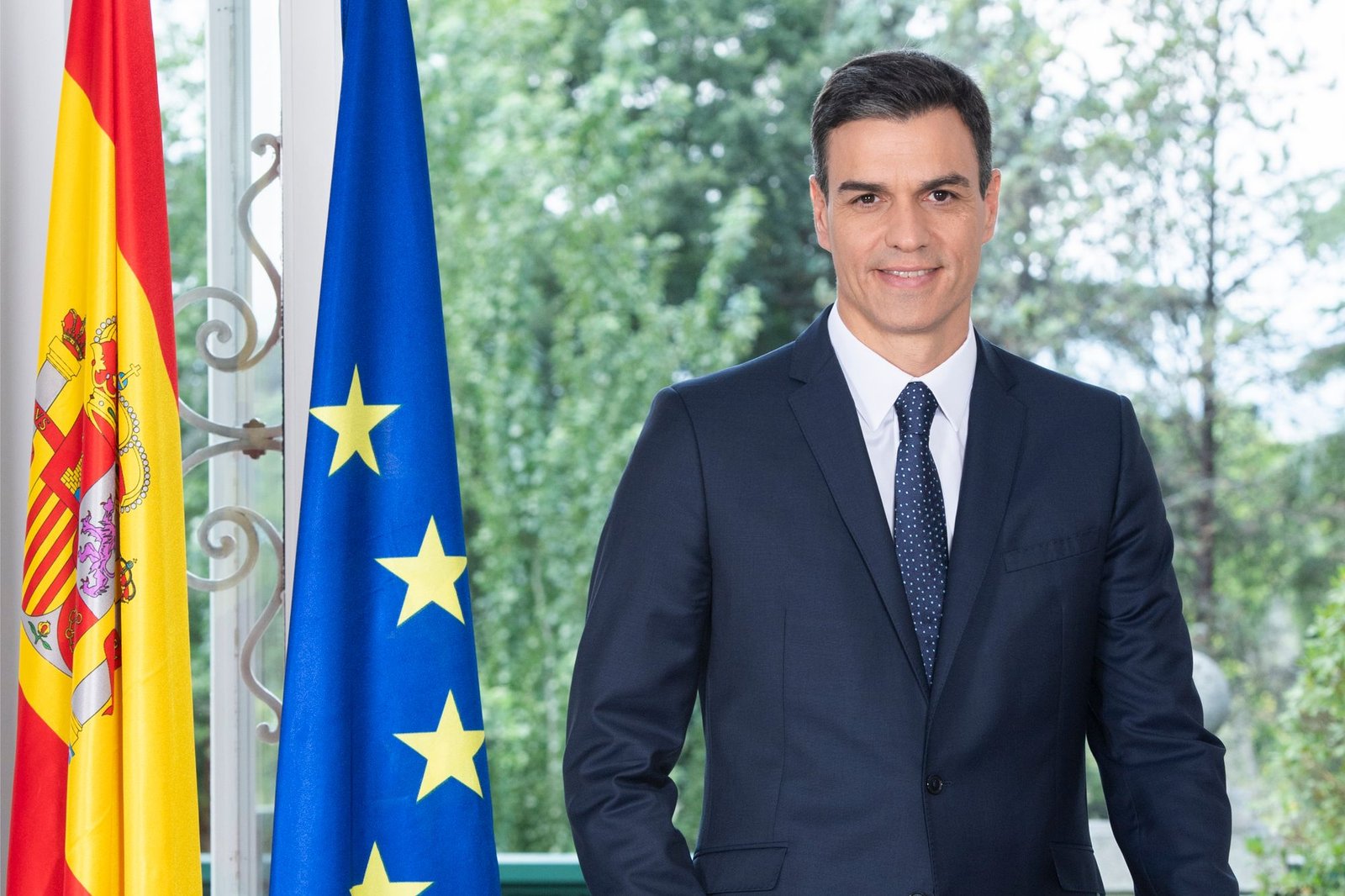
Spain’s Socialist-led government has approved more than €1.5 billion ($1.65 billion) in new welfare benefits in the past month, and plans more before a snap election on 29 November, in a last-haul spending spree aimed at burnishing its progressive credentials.
The measures show how the government has learned to rule without a budget. With too little parliamentary support to pass a spending plan since 2023, it has governed by decree, approving measures that Congress can halt but cannot retroactively undo. According to a Reuters tally of costs published on the government’s website, about €820 million has gone to support for vulnerable families, €221 million to victims of disasters such as floods and last month’s train crash, and around €426 million to housing subsidies — voters’ top concern, which Prime Minister Pedro Sanchez has promised to tackle head-on if granted a majority.
“This progressive coalition government is demonstrating… that it is possible to achieve both economic growth and redistribution,” Sanchez said in an interview with Spanish channel Telecinco on Monday when asked about the spending.
The spending could help mobilise voters who might otherwise stay at home, by strengthening the Socialists’ image as the party that protects the vulnerable, political analyst Eduardo Bayon said. The government is trailing in most polls and fighting for votes.
But economists and Spain’s fiscal watchdog, AIReF, have criticised the opacity of decree spending, which is far harder to track than regular budget updates. Higher tax revenues and EU funds have paid for the measures without pushing up public debt in the short term, yet multi-year commitments made to win votes now could burden the next government, said Diego Martinez Lopez, an economist at think tank Fedea.
“These expenditures have significant electoral clout in terms of short-term impact, but multi-year commitments of future financing could cause problems,” Martinez Lopez said. “They are essentially kicking the can down the road.”
AIReF has also warned that, despite Spain’s debt-to-GDP ratio falling in recent years, higher public spending was jeopardising net primary expenditure limits agreed with the EU and its own domestic spending caps. The conservative People’s Party, which leads in the polls, has promised a full audit of public finances, with its leader Alberto Nunez Feijoo repeatedly saying in interviews that he “does not believe the numbers”.
Some of the measures have been drawn from Spain’s contingency fund, a buffer worth 2% of total non-financial expenditure — set at €3.96 billion since 2023 — intended for unforeseen emergencies. Yet economists have repeatedly flagged that the fund is often spent on items that should be financed through regular budget lines: 71% of last year’s spending went to foreseeable and recurring expenses such as peacekeeping operations or ordinary welfare benefits, according to AIReF.
Since taking office in June 2018, Sanchez’s cabinets have approved more emergency decree laws temporarily bypassing parliament than any other prime minister since Spain’s transition to democracy in 1975, according to political analysis outlet Electomania. Usually Congress must vote to approve the measures permanently within 30 days, but the latest measures, passed after parliament was dissolved, need only the approval of a 69-member standing committee, where the balance of lawmakers is slightly more favourable to the ruling coalition than in the full 350-person Congress.
Sources: Reuters — “Spain’s Socialists push through welfare spend before election”