







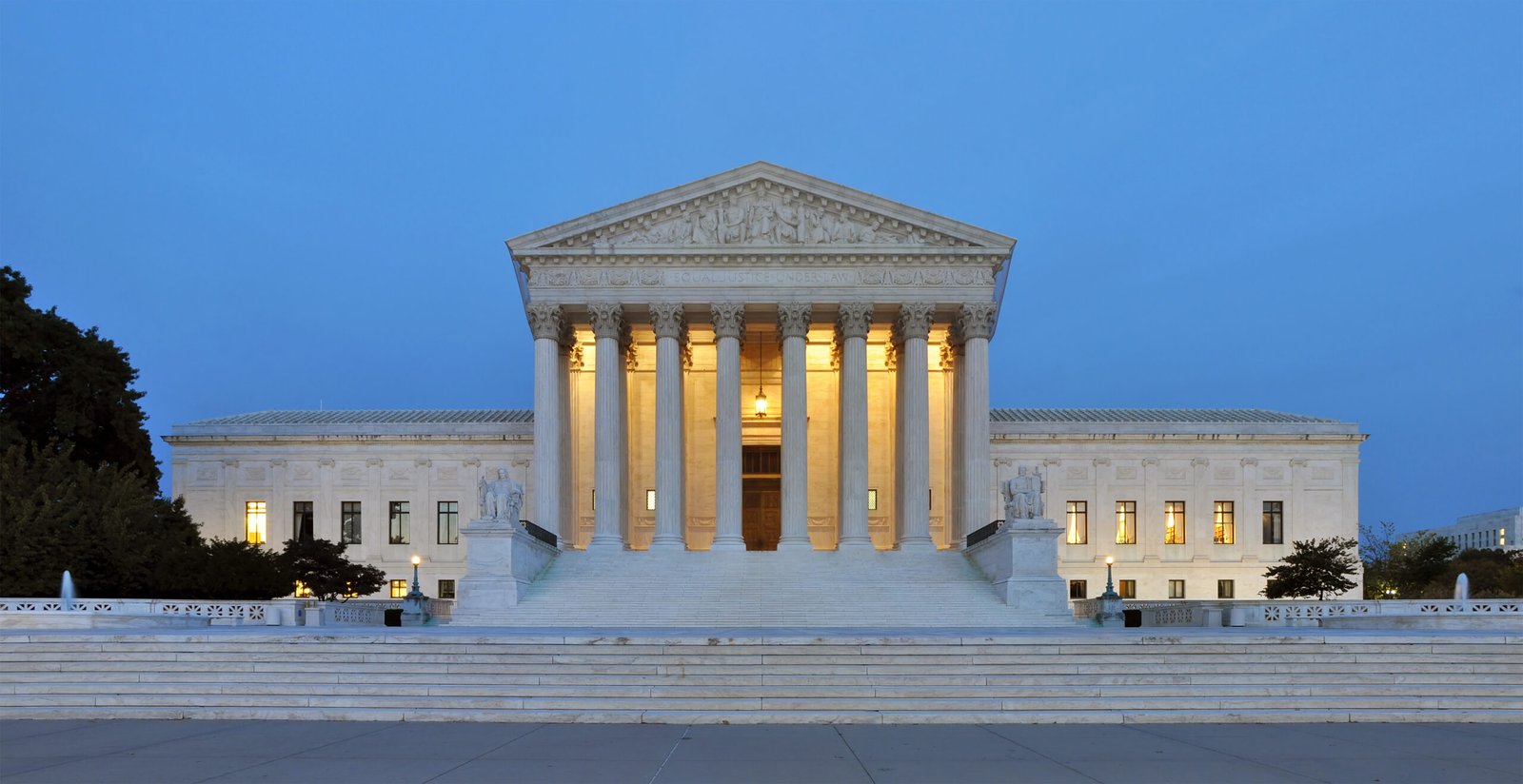
The US Supreme Court will hear arguments on Wednesday in the most consequential gun case in years, deciding whether the Constitution protects a right to own AR-15-style rifles — and whether bans in Connecticut and Cook County, Illinois, must fall.
The consolidated cases challenge Connecticut’s ban, extended after the 14 December 2012 massacre at Sandy Hook Elementary School in Newtown, in which a gunman fired 154 rounds in under five minutes, killing 20 first-grade children aged six and seven and six adults. They also challenge a 1993 ordinance in Cook County, which includes Chicago. Lower courts upheld both measures — the 2nd US Circuit Court of Appeals in Connecticut’s case and the 7th Circuit in Cook County’s.
The challengers, backed by gun-rights groups including the Second Amendment Foundation and by President Donald Trump’s administration, argue that AR-15s are owned by tens of millions of Americans and are therefore in “common use” — the test set by the court’s 2008 Heller decision — and cannot be banned. The court itself noted last year that the AR-15 is “the most popular rifle in the country”.
Connecticut, which extended its ban again in 2023, argues that governments may restrict excessively dangerous weapons, and have done so throughout history — from the launcegay and the Bowie knife to the Tommy gun. The state told the court the AR-15 is “the signal example of an unusually dangerous weapon today”, noting that AR-15s or similar rifles have been used in 12 of the 17 deadliest mass shootings in the United States since 2012.
The stakes extend far beyond the two jurisdictions: 11 states and Washington, DC, prohibit AR-15s and similar weapons. At least four conservative justices have signalled scepticism about the bans, putting the focus on Chief Justice John Roberts and Justice Amy Coney Barrett. A ruling is expected by the end of June.
For Nicole Hockley, whose six-year-old son Dylan was killed at Sandy Hook, the case is personal. “We have to value children’s safety and people’s safety as strongly as we value the right to have guns,” she told Reuters. Hockley co-founded Sandy Hook Promise, which trains students and educators on preventing school shootings.
Sources: Reuters (https://www.reuters.com/legal/government/years-after-sandy-hook-massacre-us-supreme-court-case-targets-assault-weapons-2026-11-28/), CNN (https://www.cnn.com/2026/11/27/politics/supreme-court-ar-15-ban-second-amendment), ABA Journal (http://www.abajournal.com/web/article/supreme-court-considers-whether-bans-on-semiautomatic-rifles-violate-2nd-amendment)