








Surgeons in Sydney say they have kept a donated human liver alive outside the body for seven weeks, a record that could reshape how organs are stored, repaired and shared for transplant.
The feat was carried out by a team led by transplant surgeon Carlo Pulitano, of Royal Prince Alfred Hospital and the University of Sydney. The liver was connected to a machine the team calls the Extended Organ Perfusion System, an array of automated pumps and sensors that supplied it with blood and nutrients and removed waste, holding it at body temperature, about 37°C. Pulitano likened the set-up to “an artificial body”.
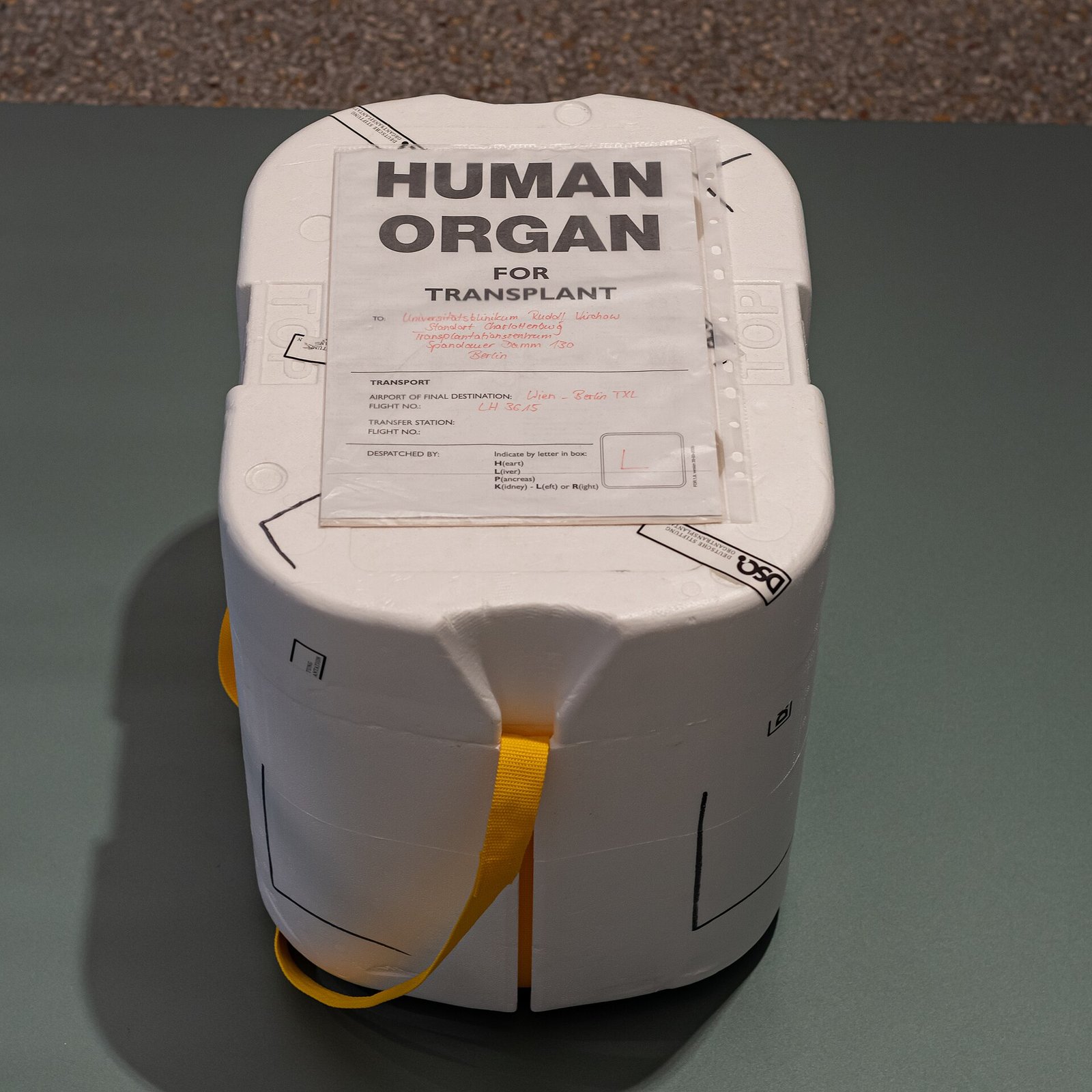
Most organs for transplant survive only a few hours packed in ice and must be raced to their recipient. Over the past decade surgeons have increasingly turned to perfusion machines, which pump warm or cold fluids through an organ and can roughly double the time it can be held. The Sydney team’s advance was to automate the process. In a series of 55 human livers perfused one after another, those placed on the automated system lasted on average about four weeks, roughly three times as long as those needing manual adjustment. The longest survivor reached seven weeks, or 47 days.
The previous record for keeping an internal organ alive outside the body was set in Switzerland several years ago, when a liver lasted about two weeks. In 2022 a Swiss team transplanted a damaged liver that had been kept on perfusion for three days, the longest an organ had remained outside the body before a successful transplant.
The Sydney work has not yet been formally published, and its details are still to be peer reviewed, so the claim rests for now on the team’s own account and a conference abstract. Outside experts quoted by MIT Technology Review said they believed the record was real, but cautioned that it was not yet clear how healthy the liver was at the end of seven weeks, or what practical purpose such long preservation would serve.
Pulitano’s longer-term aim is what he calls “time-unlimited liver preservation”. One nearer-term application is already planned: a trial in Sydney to transplant lower-quality livers kept on perfusion for four days. Longer preservation could also let surgeons repair damaged organs before transplant, and give researchers a living human organ on which to test drugs and gene therapies in ways no animal model can match.
Pulitano has also experimented with dividing a liver and attaching the sections to the machine. Because a liver can regrow to almost its full volume within about two months, he suggests that one donor liver might one day be multiplied into several full-size organs.
Sources: MIT Technology Review — “A human liver has been kept alive outside the body for a record seven weeks” (https://www.technologyreview.com/2026/11/19/1148934/a-human-liver-has-been-kept-alive-outside-the-body-for-seven-weeks-setting-a-record/)