







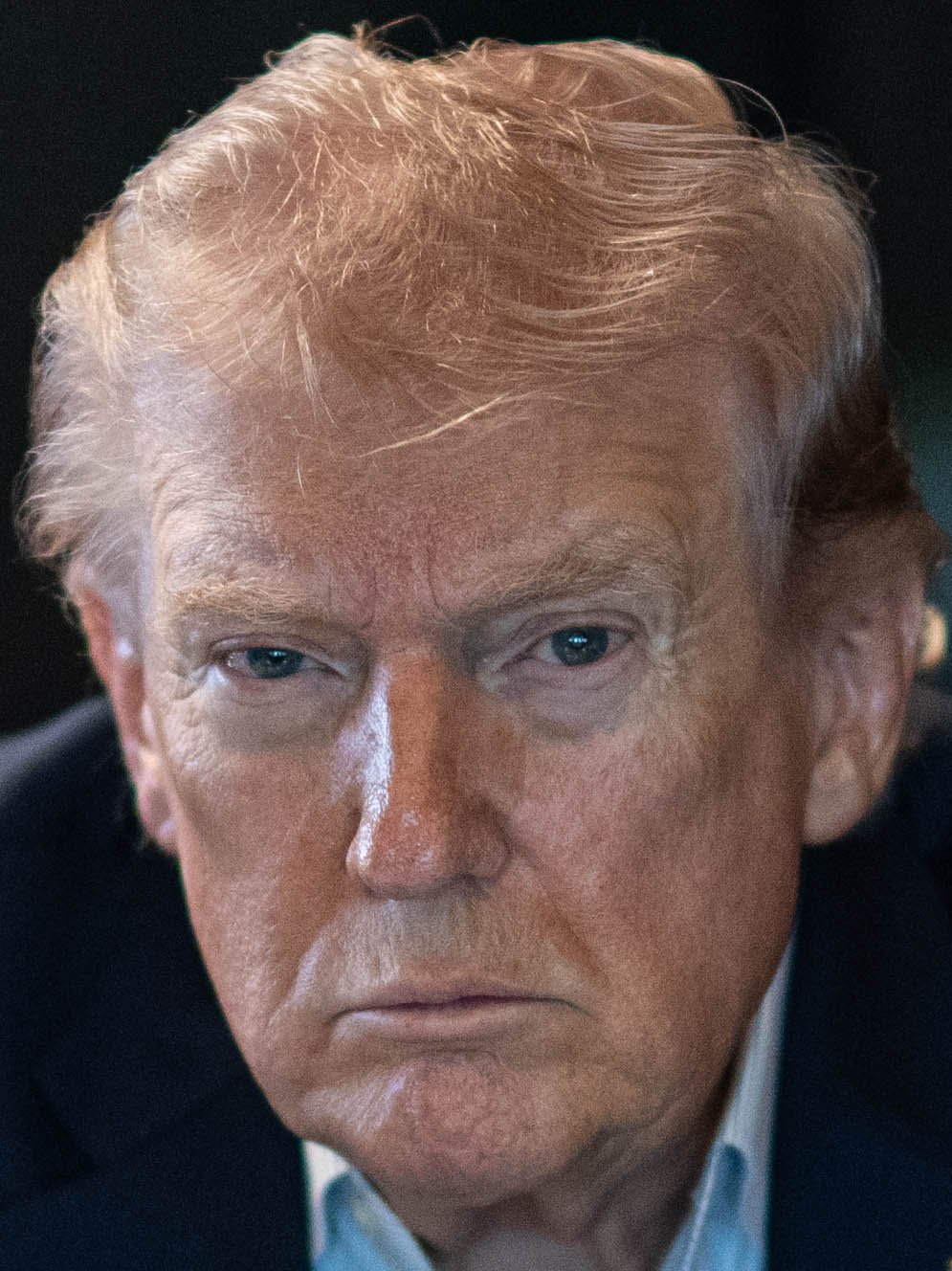
President Donald Trump has conceded that his administration’s deportation policy went too far, admitting in his first major interview since the Republicans’ heavy midterm losses that the crackdown cost his party votes.
“I think it was too tough,” Mr Trump told CBS’s 60 Minutes in an interview that aired on Sunday evening. “I think it might be too tough, yeah. And a lot of people would say that it’s great. But a lot of people think it’s too tough.”
The president said the policy had “both helped and hurt” him politically. He gave himself an “A+” for closing the southern border and said he received “very high marks for getting the bad ones out”. But he acknowledged the enforcement drive had swept up people with steady jobs and otherwise clean records.
“I get hurt because we also took people that had good jobs, that created one violation, or breaking of the law, and that was that they came into the country illegally,” he told correspondent Ross Douthat, pointing to workers in hotels and restaurants who had lived in the United States for years.
Mr Trump said he was open to working with the Democrats, who won majorities in both chambers of Congress in last Tuesday’s midterms, on an immigration deal. He suggested an arrangement could let people who have lived in the country for 10 or 15 years stay, while those convicted of serious crimes would still be removed.
“The deal would be we would work something out,” he said. “And I think it’s something — I think that’s something that’s actually doable.”
He said he believed “killers” and “drug dealers” in the country illegally should still be deported, but that others — “if they’re good people working in a landscaping company, or working in a hotel” — could be allowed to remain. He did not give specifics about what a deal would look like, and he stopped short of calling for an end to deportations.
Senate Democratic Leader Chuck Schumer was dismissive, writing on social media after the interview aired: “Trump says his immigration crackdown went too far.” An Associated Press survey of more than 100,000 voters after the midterms found about six in 10 believed the administration’s immigration enforcement had “gone too far”.
The admission sits awkwardly alongside Mr Trump’s first move after the election. On Friday, shortly after taping the interview, he named Stephen Miller — the architect of his hardline immigration agenda — as White House chief of staff, replacing Susie Wiles from Monday. Mr Miller, 41, has been deputy chief of staff and homeland security adviser since the start of the second Trump administration.
Mr Trump also blamed the Iran war and poor messaging for the Republicans’ defeat, and said he might not endorse a Republican successor ahead of the 2028 election. He said he had no intention of forgiving his political enemies.
It remains unclear whether the president’s remarks will lead to any change in enforcement. He has voiced misgivings about some deportation tactics before, without altering the policy, and his new chief of staff is the official most closely identified with the crackdown.
Sources: Associated Press, “Trump says his deportation policy ‘might have been too tough’ for voters”, 9 November 2026 — https://www.the-gazette.co.uk/news/national/26710164.trump-says-deportation-policy-might-tough-voters/ ; CNN, “Trump’s regrets on immigration enforcement, and other takeaways from his ’60 Minutes’ interview”, 8 November 2026 — https://www.cnn.com/2026/11/08/politics/trumps-regrets-immigration-enforcement-60-minutes-interview ; CBS News, 60 Minutes interview with President Donald Trump, 8 November 2026.