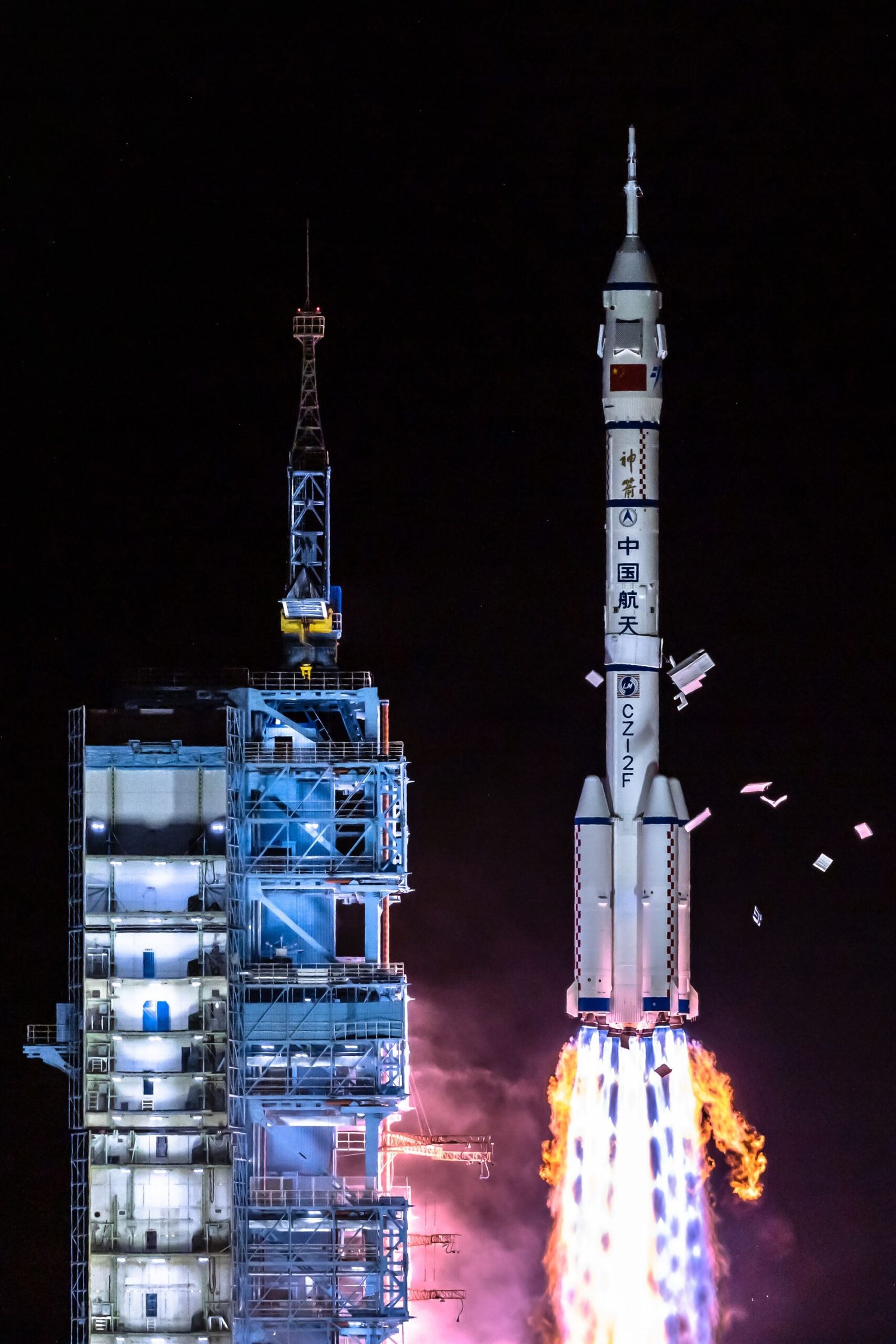









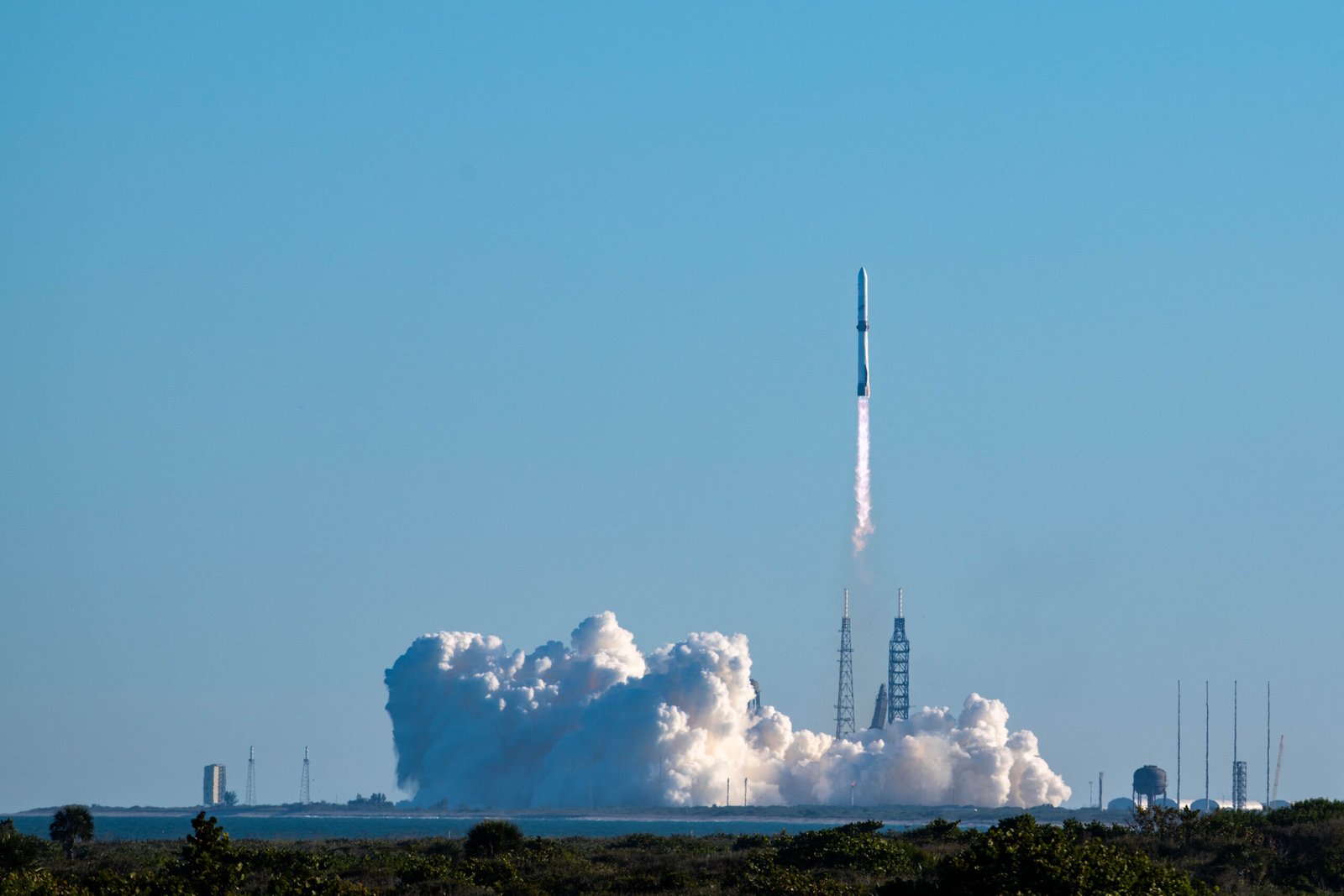
Blue Origin has pushed the return to flight of its New Glenn rocket to January 2027, abandoning a plan to fly again before the end of this year.
Chief executive Dave Limp told staff in an internal memo on Wednesday that the company was updating its anticipated launch date, a move first reported by the Financial Times and then by Reuters. The memo was sent a day after the company had still been aiming for a flight in late 2026.
New Glenn has been grounded since May, when the rocket exploded during a hot-fire test at Launch Complex 36 at Cape Canaveral in Florida. The blast extensively damaged the company’s only launchpad there and halted a mission that was to carry Amazon internet satellites into orbit.
In the memo, Limp said the launchpad’s vehicle access tower had been repaired and restacked and the launch bridge restored, but that summer weather had slowed the rebuild. “We’re proactively updating our anticipated launch date to January 2027,” he wrote, adding that returning New Glenn to flight “remains our top priority”.
The revised date is only about ten days later than the company’s most recent target, according to a source familiar with the matter cited by CNBC. Jeff Bezos, Blue Origin’s founder, had told Fox News last month that the rocket was likely to fly in December.
The slip leaves Blue Origin with less room for error before NASA’s Artemis III demonstration mission, planned for next summer, which relies on lunar technology from the company and SpaceX. The delay also puts pressure on customers waiting for rides on New Glenn, including AST SpaceMobile, whose plans to put 46 satellites in orbit by March are now at risk, according to industry reports.
Blue Origin used the same week to unveil a new third stage for New Glenn, called GS3, designed for missions including direct injection into geostationary orbit and Earth-escape trajectories, and a new booster engine. The company said GS3 was already under contract for a cislunar mission with a government customer scheduled to launch in 2028.
No exact launch date in January has been given, and Blue Origin has not published a complete public account of the May incident or the remaining repair and qualification work. The details of the revised schedule rest on reports of the internal memo, which the company has not itself released.
Sources: Reuters; Financial Times (via Reuters); The Register; CNBC; Engadget.