









NASA’s Perseverance Finds Water-Linked Rocks Beyond Mars’ Jezero Crater
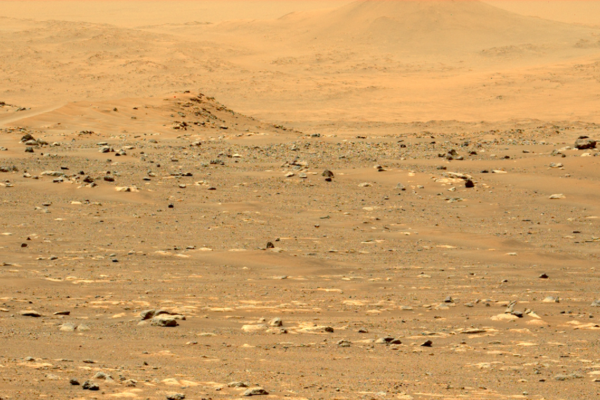
NASA’s Perseverance rover has found bright rocks rich in hydrated silica outside Jezero crater — minerals that form in water and can preserve traces of ancient microbial life.
NASA’s Perseverance rover has found bright rocks rich in hydrated silica outside Jezero crater — minerals that form in water and can preserve traces of ancient microbial life.

SpaceX has caught a Starship spacecraft returning from orbit for the first time, lowering it into the arms of its Texas launch tower after a 22-hour flight — a milestone for the fully reusable rocket, even as the mission’s booster was lost in the Gulf of Mexico.
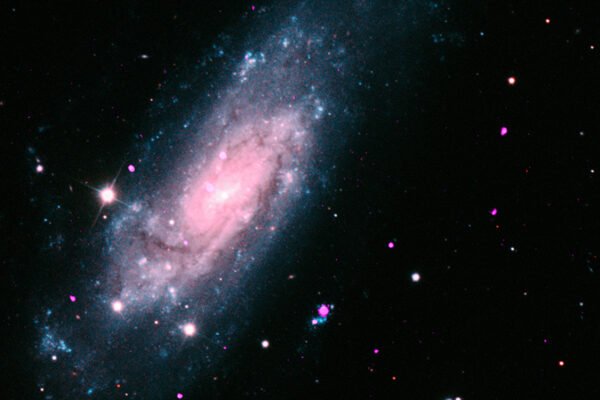
Astronomers using NASA’s Chandra X-ray Observatory have solved a 15-year mystery: a giant star 30 million light-years away keeps erupting because an unseen companion — a black hole or a neutron star — is stripping gas from it every 113 days.
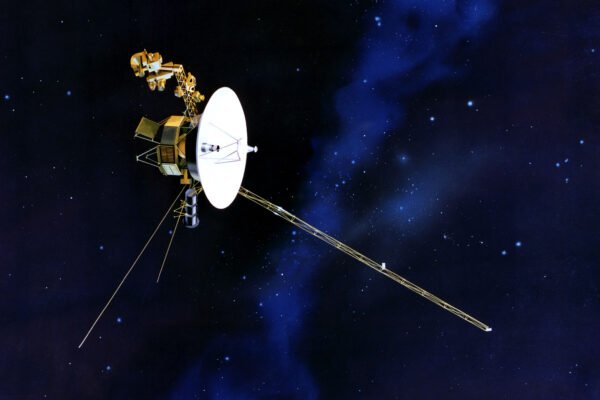
NASA’s Voyager 1 will reach one light-day from Earth on Wednesday — more than 16 billion miles out — after 49 years in space.
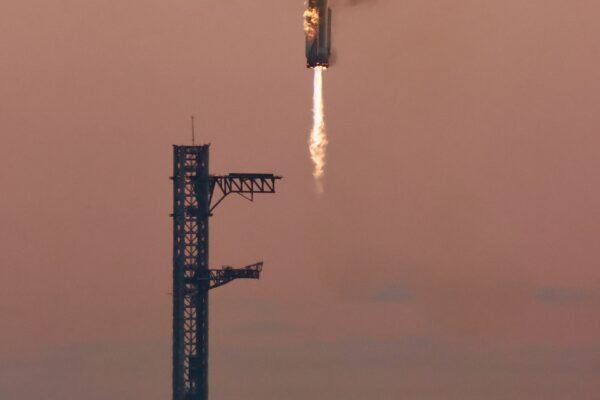
SpaceX’s Starship reached orbit on Friday in its boldest test flight yet, but the first attempt to recover the whole rocket ended when the giant booster was diverted into the Gulf of Mexico and exploded. The spacecraft will try to return to the pad on Saturday.
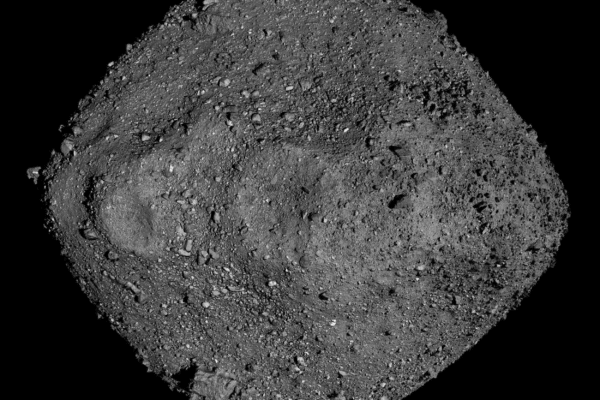
Amino acids in samples from asteroid Bennu formed through the same chemistry but in different parts of the solar system, a Penn State-led team reports, broadening the range of environments where life’s building blocks can arise.
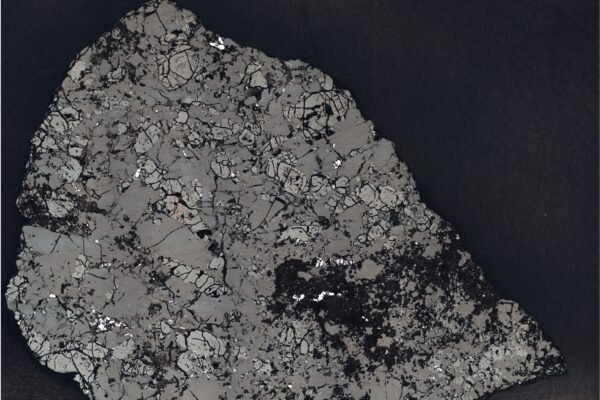
Teghaza 001, a rose-coloured meteorite recovered from Mali’s Sahara Desert, is one of the oldest pieces of Mars ever found on Earth — and it carries signs that water once flowed through the planet’s earliest crust.
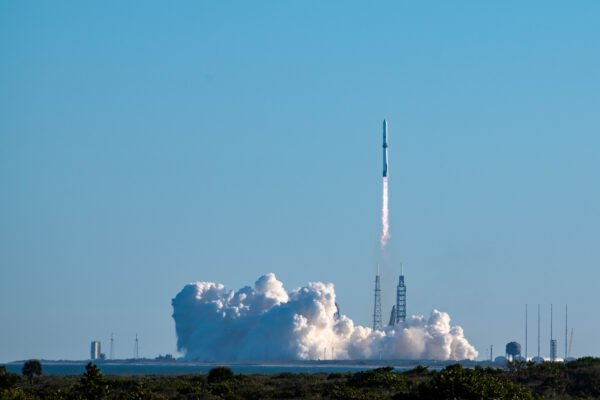
Blue Origin will not fly its New Glenn rocket again until January 2027, its chief executive has told staff, after a May explosion damaged its Florida launchpad and summer weather slowed repairs.
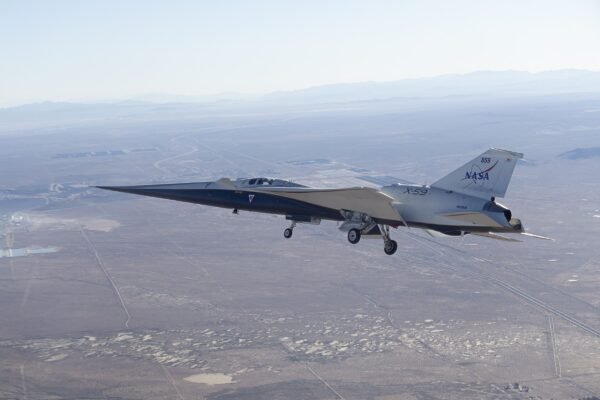
NASA has unveiled the X-70 Fractal, a crewed experimental aircraft designed to test advanced flight controls and new levels of manoeuvrability, with a first flight expected within two years.
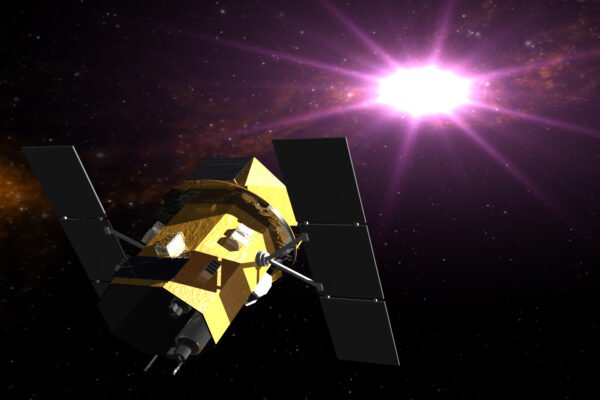
NASA’s Neil Gehrels Swift Observatory, launched in 2004 to study the universe’s most powerful explosions, was due to burn up in Earth’s atmosphere on Wednesday after a failed rescue attempt, ending a mission planned to last just two years.