







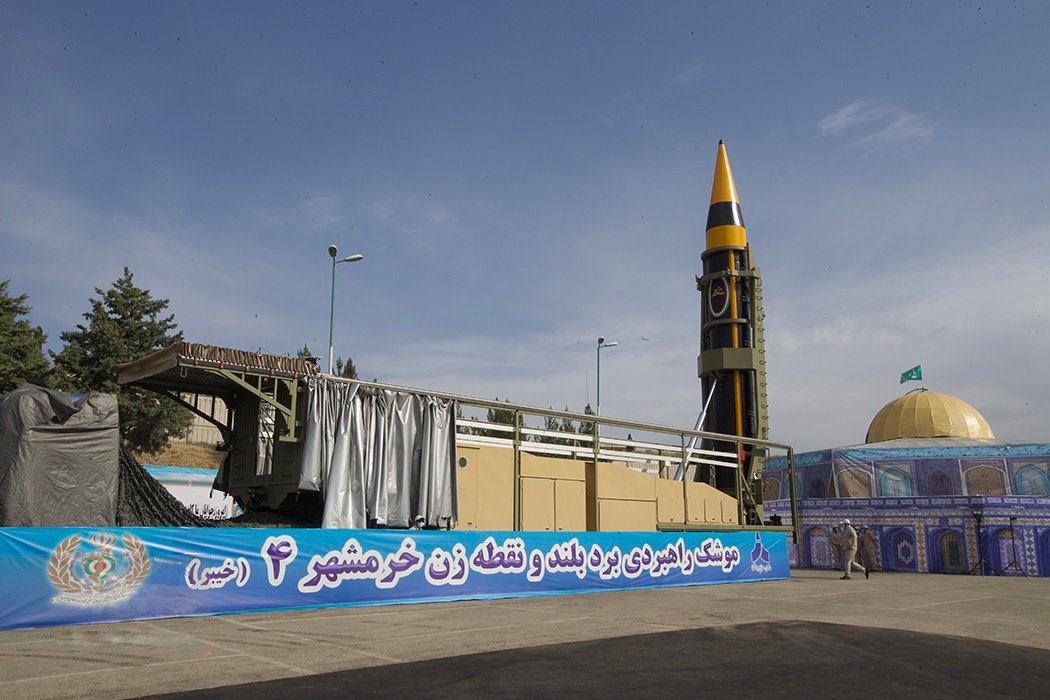
The United States intelligence community assesses that Iran still holds between 1,500 and 2,500 missiles, despite months of American and Israeli strikes on its military infrastructure, according to US officials cited by The Wall Street Journal. The finding leaves Tehran with significant capacity to strike US and allied targets if full-scale fighting resumes.
The officials described the estimate as low confidence, because of the difficulty of tracking how many missiles are ready to launch and how many sit in storage. Even so, they said it was clear Iran retained a formidable stockpile. Israel’s military separately puts the figure at more than 1,500 ballistic missiles, although assessments across the region differ.
The assessment cuts against claims from the Trump administration that Iran’s military had been decimated. Defence Secretary Pete Hegseth told reporters on Tuesday that Iran’s defence-industrial base was “gone”, and the White House has said Operation Epic Fury, the US name for the campaign, rendered Iranian forces helpless. A separate Western intelligence estimate cited by Bloomberg last week put Iran’s output at about 50 ballistic missiles a month, roughly half its prewar rate, and its arsenal at no fewer than 1,700.
Iran has continued to rebuild its arsenal, albeit more slowly than before the war, mostly from stockpiled components, the officials said, and it also retains large numbers of drones and short-range missiles. Simone Ledeen, a former deputy assistant secretary of defence for the Middle East in Trump’s first term, told the Journal that even the lower estimate of 1,500 would mean Iran had replenished more than half of its estimated prewar stockpile of about 2,500.
The finding has fed into internal administration discussions about whether to relaunch strikes alongside Israel, the officials said. For now, Trump has chosen to maintain economic pressure through a blockade and sanctions rather than order large-scale strikes. Vice President JD Vance had opened a channel to an Iranian hardliner in search of a deal, but Trump directed him to end the diplomacy and focus on domestic issues. Gulf allies have told Washington they do not want a return to war, fearing Iranian retaliation, while Israel’s Benjamin Netanyahu continues to push for renewed operations. Mossad director Roman Gofman was in Washington on Friday for talks with US officials.
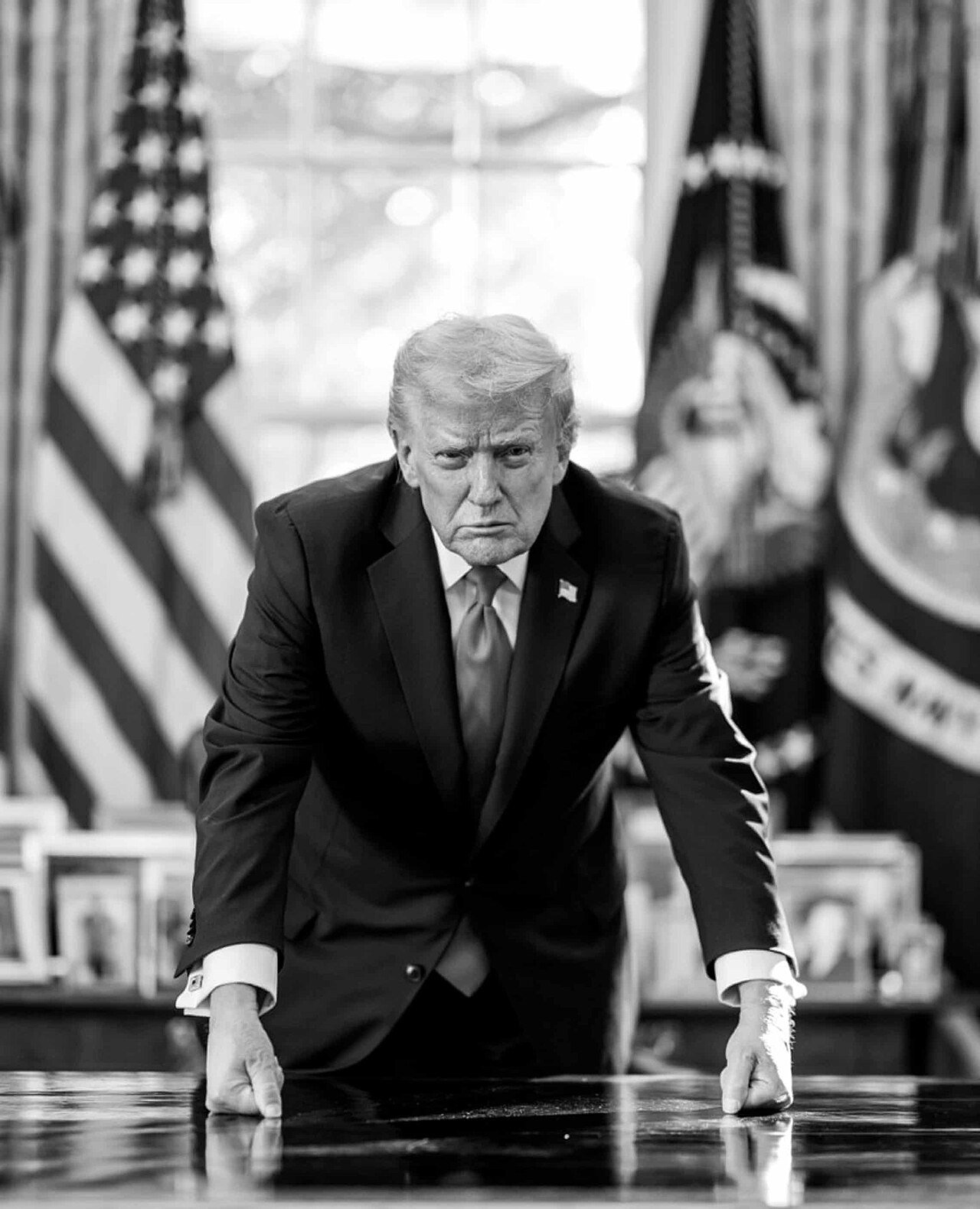
Trump suggested on Wednesday, in a Veterans Day address, that the campaign was unfinished. “We won,” he said. “Now the question is when we want to end. We must have a total victory, not a 93% victory.”
Destroying Iran’s ballistic-missile capability was a stated goal when the US and Israel launched the war in February. Both declared success after the joint bombing campaign, with Netanyahu claiming the missile programme had been crushed. But an Israeli military official told the Journal that Iran is “rebuilding, rearming” and preparing for a serious round of fighting, and that its commanders have improved their tactics, mixing missiles and drones and drawing on help from allies such as Russia.
Note: This account rests on The Wall Street Journal’s reporting of US officials; the intelligence estimate is described by those officials themselves as low confidence, and the precise size of Iran’s arsenal cannot be independently verified.
Sources: The Wall Street Journal — https://www.wsj.com/world/middle-east/u-s-figures-iran-still-has-up-to-2-500-missiles-countering-trump-assertions-4c6f4d67 ; Bloomberg, as reported by Clash Report — https://clashreport.com/defense/articles/iran-still-produces-50-ballistic-missiles-a-month-western-estimate-says-ch7i3k8ir5