







China has added a record number of innovative medicines to its national health insurance scheme, including the first CAR-T cancer therapy ever to be covered by the country’s basic medical insurance.
The National Healthcare Security Administration announced the update on Saturday in Suzhou, alongside the Ministry of Human Resources and Social Security. A total of 107 drugs join the national catalogue, of which 51 are Class 1 innovative drugs — medicines that are new in China and overseas, rather than copies of existing treatments. The administration described the figure as a record.
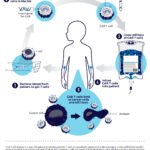
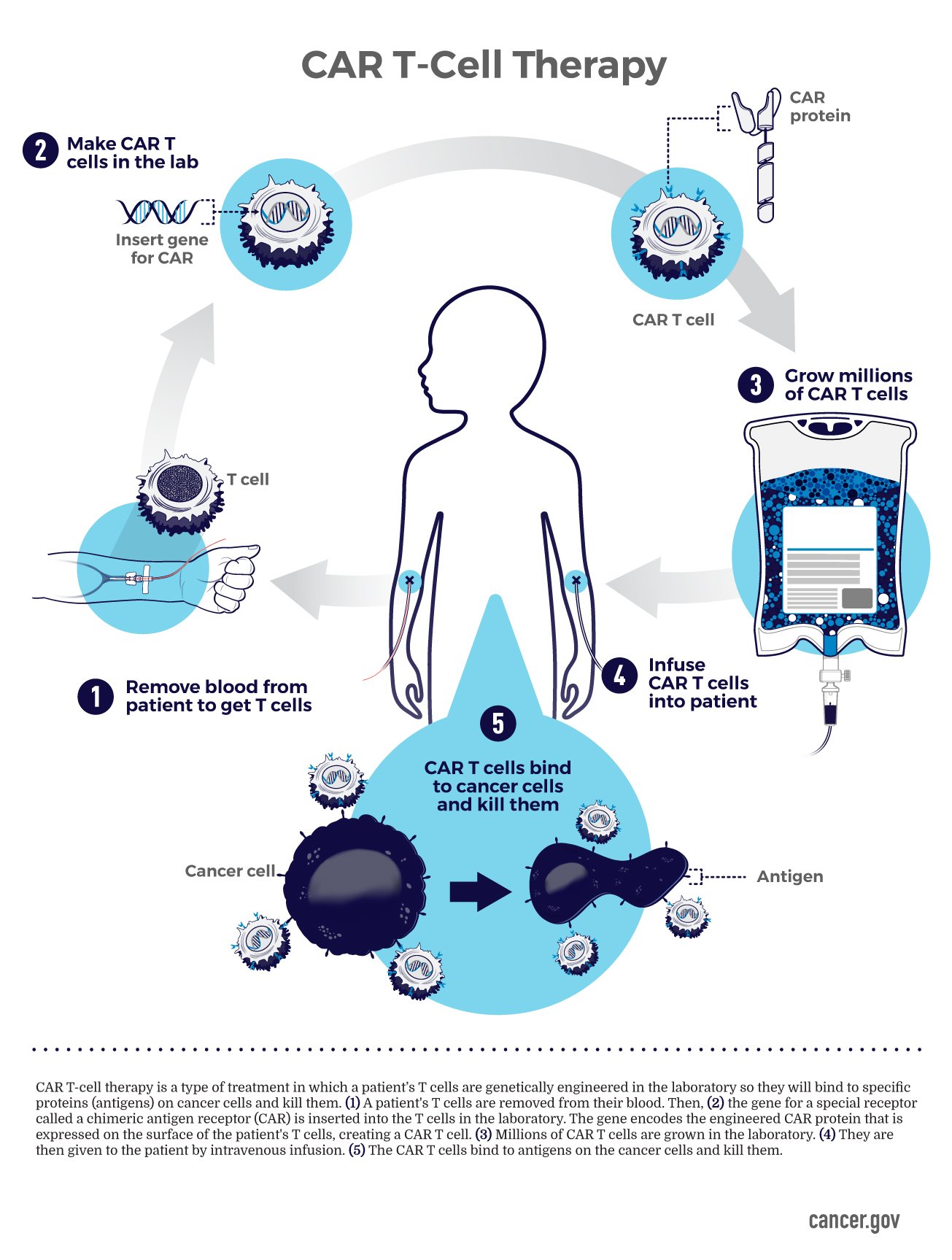
The most closely watched addition is relmacabtagene autoleucel, a CAR-T therapy sold as Carteyva and marketed in China as Benoda, made by JW Therapeutics. The treatment, used for adults with certain lymphomas that have come back or stopped responding to other treatment, is the first of its kind to enter the basic insurance list. CAR-T therapy reprograms a patient’s own immune cells to attack cancer, and in China it has previously cost patients more than one million yuan.
Industry estimates suggest the negotiated price could fall to around 300,000 yuan, with a patient’s payment after reimbursement dropping below 100,000 yuan, though the final price and reimbursement terms have not been publicly confirmed. Those figures remain estimates, not official figures.
The additions cover cancer, rare diseases, chronic illnesses and mental health. Among them are GLP-1 diabetes treatments, including Innovent’s mazdutide, which will be reimbursed for diabetes only, and Novo Nordisk’s weekly insulin-semaglutide combination, which the company said makes China the first country to reimburse the treatment.
Thirty-four medicines were removed from the list in the same update, bringing the total covered to 3,331 — 1,935 Western medicines and 1,396 Chinese patent medicines. The administration said 424 drugs applied to join the list this year.
A separate commercial health insurance list for innovative drugs added 12 medicines, bringing its total to 28, including the world’s first CAR-T therapy for solid tumours and China’s first gene therapy for haemophilia. Zhang Ke, head of the National Healthcare Security Administration, said a mechanism linking the two lists had been established this year to give innovative medicines more routes to patients.
The revised lists take effect on 1 January 2027.
Sources: Xinhua (http://chinaview.cn/20261114/633ecfacfae144e9bfbe7beb5d551e31/c.html); National Healthcare Security Administration, 14 November 2026 (http://www.nhsa.gov.cn/art/2026/11/14/art_14_23385.html).