










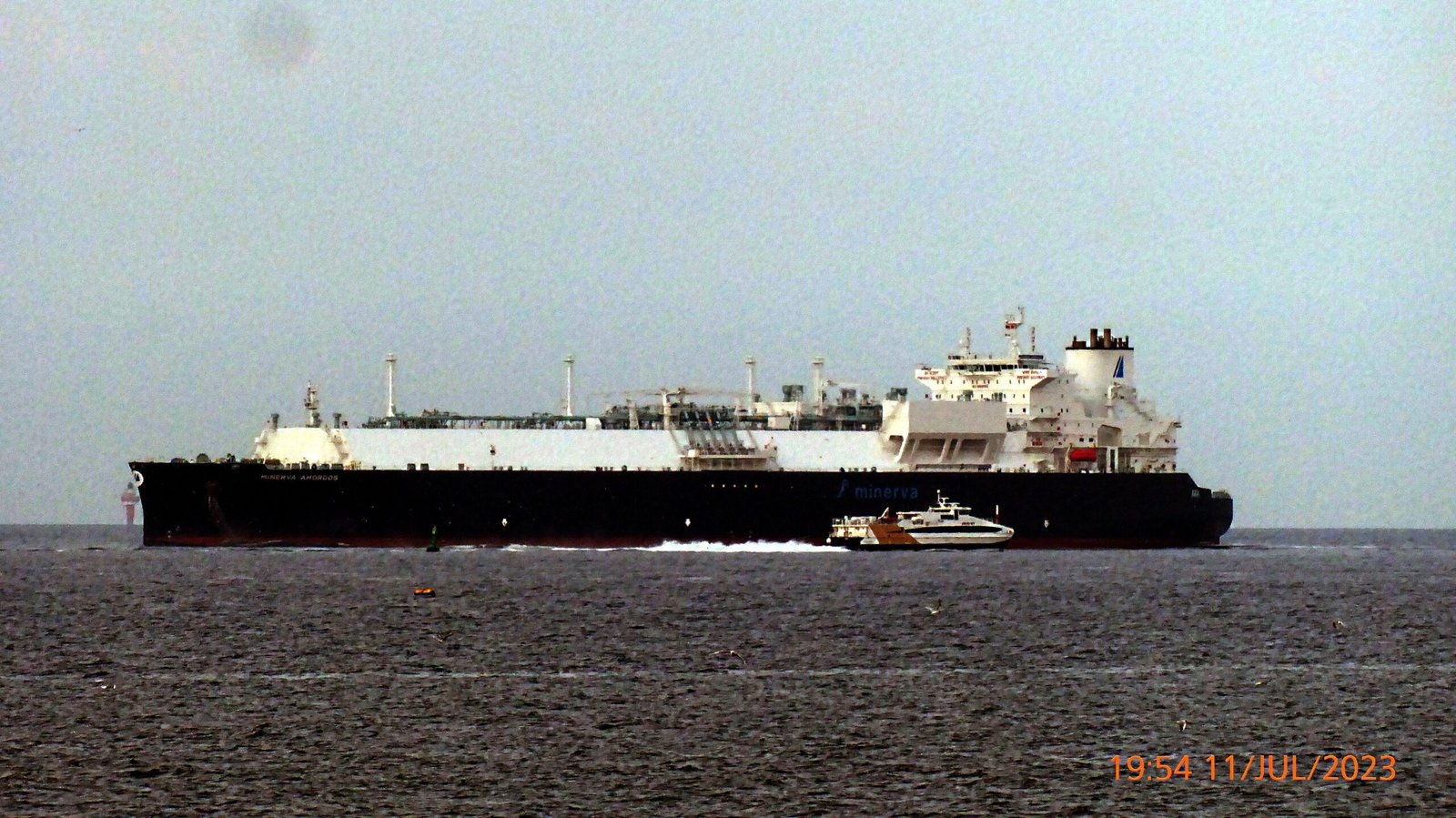
Europe is starting to pull liquefied natural gas away from Asia as critically low storage levels and fears of a cold snap outweigh the high price of the super-chilled fuel, according to data compiled by commodity analysts Kpler and reported by Reuters.
LNG imports are on track to reach 10.11 million metric tons in November, the most since March and up from 8.99 million tons in October. But the figure is still short of the 11.81 million tons Europe imported in the same month last year, showing that while arrivals are accelerating, they are not yet enough to ease the looming squeeze on natural gas.
Storage is the deeper problem. Inventories across the European Union and the United Kingdom fell to 810 terawatt hours by 11 November, 200 terawatt hours — or 20 per cent — below the ten-year seasonal average, according to data compiled by independent energy analyst John Kemp. Europe is starting winter with its lowest gas stocks in more than a decade, and the rate at which they are being drawn down is increasing.
The weather outlook adds to the unease. While forecasts point to mild-to-normal temperatures for the winter as a whole, the development of a polar vortex this month has raised the chances of cold snaps that would sharply lift heating demand.
Europe has become far more reliant on LNG since losing most of its pipeline gas from Russia after the 2022 invasion of Ukraine. Imports rose from 78.38 million tons in 2021 to a record 125.2 million tons in 2025. Kpler estimates arrivals will dip this year to 117.95 million tons, although more cargoes are expected to be assessed as arriving before the end of December.
Part of the problem is a lack of supply. Exports from Qatar, which was until this year the world’s second-biggest LNG supplier behind the United States, are still constrained by the conflict in the Middle East. Qatar shipped 2.09 million tons in October through the Strait of Hormuz and is on track to match that in November — but that is only a third of the 6.09 million tons a month it shipped in the three months before the US and Israeli attack on Iran on 28 February. About a fifth of global LNG moved through the strait before the conflict began, and cargoes that do pass through it now move under the threat of Iranian attack, pushing up freight and insurance costs.
The loss of most Qatari exports has pushed spot LNG prices to their highest in nearly four years. Cargoes for delivery to North Asia were assessed at $31.30 per million British thermal units in the week to 13 November, down from a recent high of $32.50 in the week to 30 October, but still triple the $10.40 that prevailed in the week before the strikes against Iran.
The high price is discouraging imports by China, the world’s largest LNG buyer, whose November arrivals are estimated at 5.53 million tons. China’s imports are likely to drop in 2026 to their lowest since 2018, handing the title of world’s biggest buyer back to Japan. Even Japan is cutting back, with November arrivals assessed at 4.75 million tons, up from a 16-month low of 4.35 million in October but down from 5.58 million a year earlier.
The squeeze is unlikely to ease quickly. As Europe’s storage position worsens, it will be forced to buy more LNG, keeping spot prices biased higher. Prices may also fail to retreat as usual once the northern winter ends, since Europe will have to keep buying to rebuild depleted stockpiles and avoid a repeat of this year’s tight inventories.
The figures in this story are drawn from Kpler data and independent energy analyst John Kemp, as reported by Reuters.
Sources: Reuters — https://www.reuters.com/commentary/reuters-open-interest/europe-draws-lng-asia-not-fast-enough-2026-11-16/
File photo: the featured image shows an LNG tanker and is not a photo of the November shipments.