








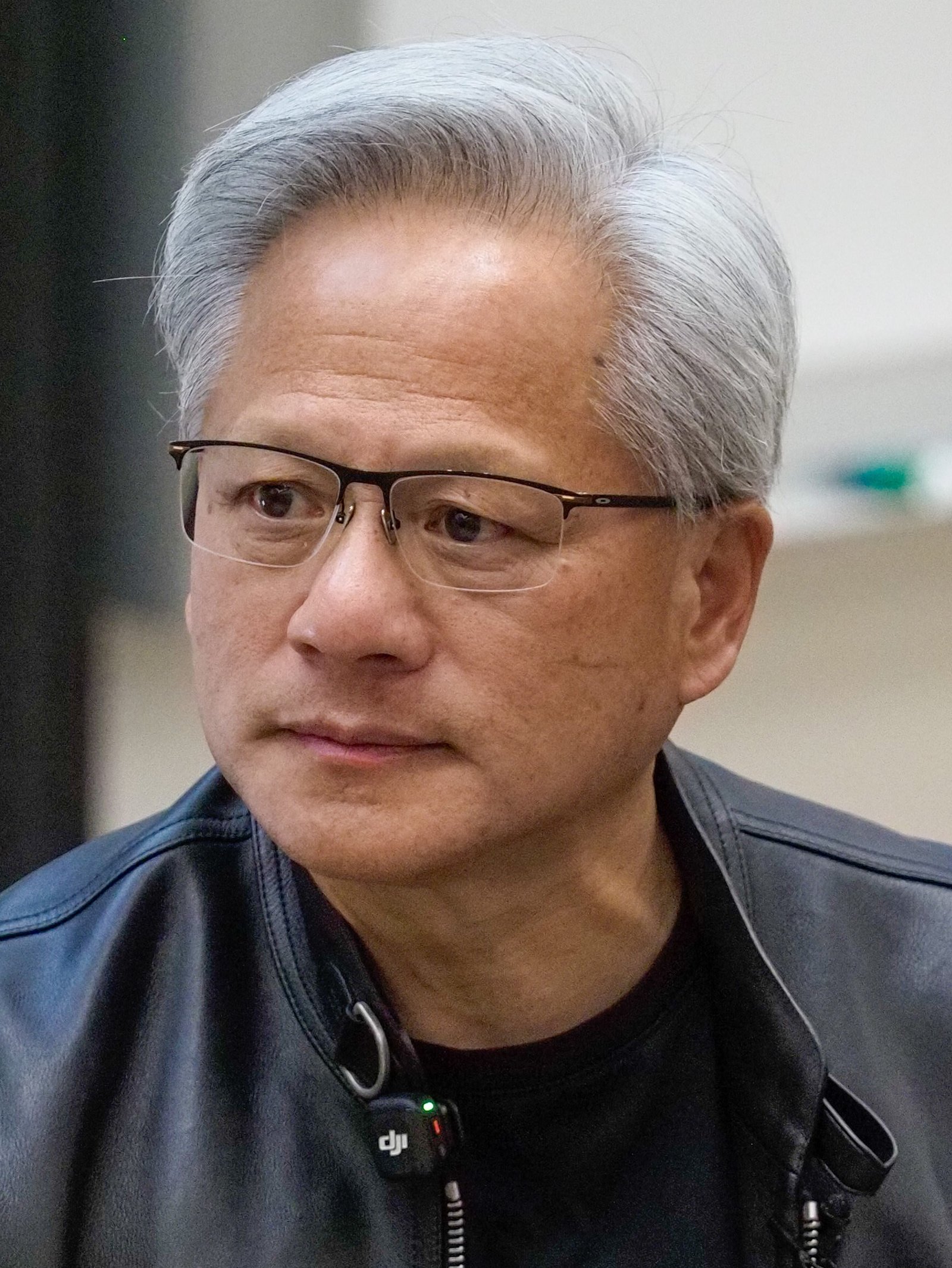
Jensen Huang is considering a return as Nvidia’s chief executive, days after resigning in the scandal that has wiped more than $1 trillion from the chipmaker’s value, the Financial Times reported on Sunday. Huang has discussed the possibility with confidants, according to people familiar with the matter cited by the newspaper, and allies in Silicon Valley are organising a campaign to press the board to bring him back.
One ally told the FT they were assembling a “war room” of senior technology executives to lobby Nvidia’s directors and seek support from the White House, and that the effort had Huang’s backing. Elon Musk and Epic Games chief Tim Sweeney are among those who have backed a public letter urging the board to “Bring Jensen Back”, and two Nvidia shareholders — Altimeter Capital founder Brad Gerstner and Atreides Management’s Gavin Baker — wrote to the board on Friday asking it to keep every option open, including Huang’s return.
Nothing has been decided. Neither Huang nor Nvidia has confirmed any comeback plan, and both declined to comment to the FT. The board, which named finance chief Colette Kress as interim chief executive, has said it will consider internal and external candidates, and the FT reported on Friday that it had approached Arm chief executive Rene Haas about the job.
The comeback talk came on the same day the US Treasury turned up the pressure. Treasury Secretary Scott Bessent told Fox News on Sunday that Nvidia’s board and its outside investigators had 10 days to answer whether the company knowingly allowed its most advanced AI chips to reach China, and whether it used shell companies to get around US export controls. “Nothing above the H200s can be sold to the Chinese,” Bessent said, referring to the chip the Trump administration authorised for sale to China late last year. He said the affair mattered less than the compliance question, and called for a “dramatic shake-up” of the board and management, urging it to look outside the company for a permanent chief executive.
At the centre of the inquiry is Megaspeed, a Singapore data-centre operator where Alice Huang, the woman US authorities suspect of spying for Beijing, once worked. The Wall Street Journal reported that Megaspeed arranged the supply of nearly $12 billion of Nvidia chips to Chinese firms between March 2024 and June 2025, although the records it obtained cannot confirm all the chips were delivered. The Justice Department has opened a criminal investigation into the alleged diversion. Nvidia has said it investigated the allegations last year and refuted them, and denies any illegal exports.
The crisis has already cost Nvidia dearly. Its shares fell 12.7% last week, and the company has lost more than $1 trillion in market value since the scandal broke in late October. Huang is due to testify before Congress next month — a Senate hearing on 3 December and a closed-door House interview on 1 December — and Kress will present quarterly results on Tuesday, her first earnings call as interim chief executive.
Note: The account of Huang’s comeback discussions and the “war room” rests on the Financial Times’ reporting of unnamed sources and has not been independently confirmed. The espionage allegation against Alice Huang remains unverified, and no charges against her or Jensen Huang have been publicly reported.
Sources: Reuters — “Jensen Huang discusses comeback as Nvidia CEO with allies, FT reports” (https://www.reuters.com/world/china/jensen-huang-discusses-comeback-nvidia-ceo-with-allies-ft-reports-2026-11-15/); The Times — “Nvidia ordered to explain $12bn supply of AI chips to China” (https://www.thetimes.com/business/companies-markets/article/nvidia-jensen-huang-us-treasury-ai-chips-china-ckwd9037f).