








The population of the North Atlantic right whale has fallen to 382 animals, scientists said on Monday, ending a slow recovery and raising fresh fears that one of the world’s rarest whales could still slide towards extinction.
The annual estimate, released by the North Atlantic Right Whale Consortium, is about 2 per cent lower than last year’s figure, which had extended a gradual climb in numbers after a decade of steep decline.
The whales were hunted almost to extinction by commercial whalers, a trade that largely ended in the 1930s. Their recovery has been held back ever since by entanglement in fishing gear and collisions with ships, the two main causes of death.
A warming ocean is compounding the danger. Heather Pettis, chair of the consortium, said rising sea temperatures have shifted the tiny copepods the whales feed on, drawing the animals into stretches of ocean with fewer protections against ship strikes and entanglements.
“We know that this population can and will move around to find food, and if we aren’t protecting them throughout their range, we may see another situation where we have this tremendous decline again,” Pettis said.
The population fell by about a quarter between 2010 and 2020, when years of poor reproduction coincided with high mortality. Recent years have been slightly more encouraging: last year was one of the most successful calving seasons on record, with more than 20 calves born. But scientists warn the species needs years of high birth counts, together with stronger protections, to stand a chance of rebuilding.
Only 73 breeding females remain, according to the US National Oceanic and Atmospheric Administration, which has also recorded unusually high numbers of injuries and deaths among the whales over the past nine years.
The latest figures have sharpened a political fight in Washington over protections for the species. Nora Ives, a marine scientist with the environmental group Oceana, said the numbers were disappointing and made “the road to recovery longer for critically endangered North Atlantic right whales”.
Oceana was among several groups that opposed a proposal in Congress to delay new right whale protections until 2035. The measure, which has passed the House of Representatives, is intended to shield commercial fishing interests from regulations the industry describes as burdensome.
Right whales, which can weigh up to 68,000 kilograms, give birth off the coasts of the Carolinas, Florida and Georgia in winter before heading north to feeding grounds off New England and Canada. In spring, large groups — sometimes a fifth of the entire population — gather off Massachusetts.
They owe their name to the whalers who once prized them: they lived close to shore, floated when killed and yielded large volumes of oil, making them, in the hunters’ view, the “right” whale to catch.
Sources: Associated Press, “Rare North Atlantic right whale population drops, alarming scientists” (https://phys.org/news/2026-11-rare-north-atlantic-whale-population.html)
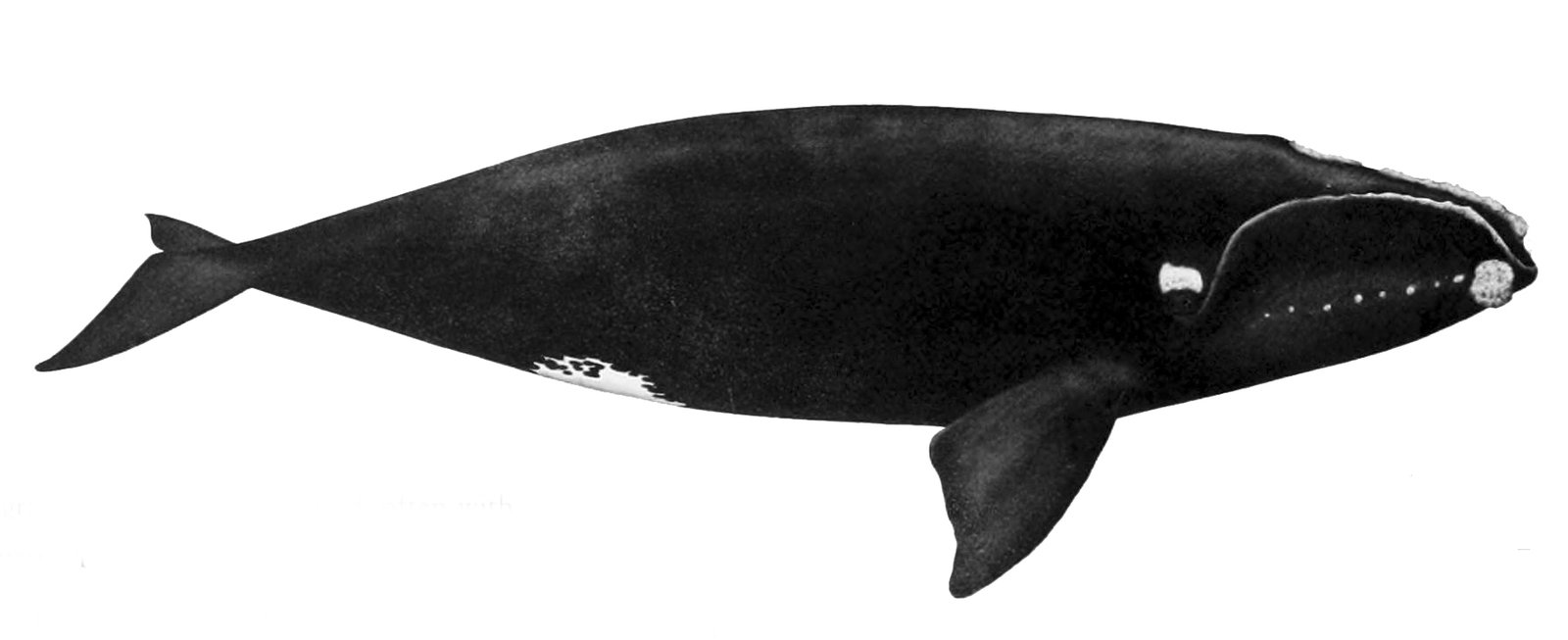
Editor’s note: The featured image is a file photo of a North Atlantic right whale, not a scene from the population survey.