





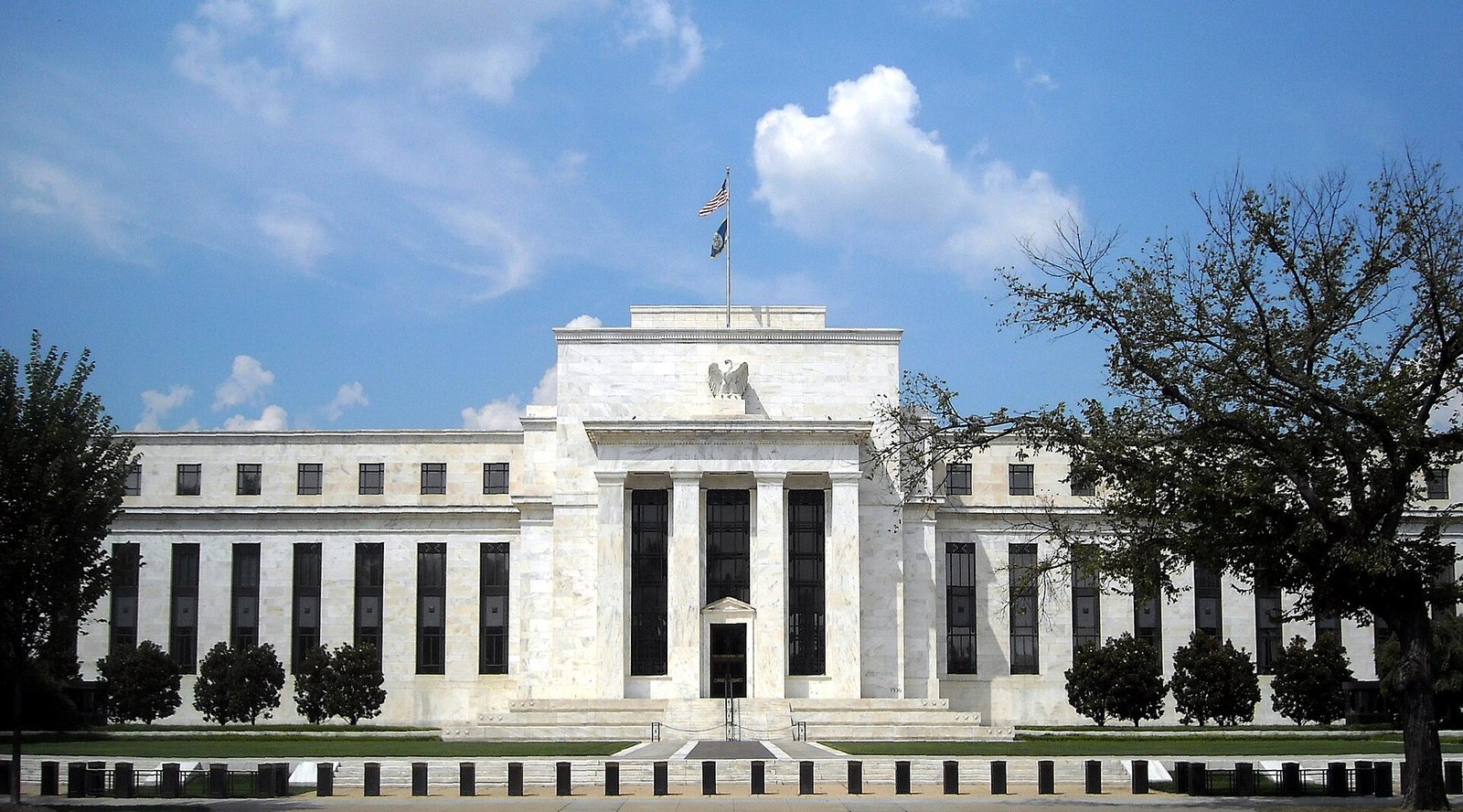
The US Federal Reserve will probably need to raise interest rates several times before the spring of 2027 to bring stubbornly high inflation back under control, St. Louis Fed president Alberto Musalem said on Tuesday.
“The economy will likely require several interest rate increases before the spring of 2027 to achieve price stability in a timely manner,” Musalem said in remarks prepared for a Central Bank of Argentina conference in Buenos Aires. He argued that the current policy rate, in the 3.75% to 4% range, is as much as a percentage point below where it needs to be to return inflation to the Fed’s 2% target.
Inflation is currently running above 3%, and Musalem warned that the most likely outcome is that it stays elevated unless the central bank acts. “Inflation is too high… Looking ahead, risks are skewed toward persistent above-target inflation,” he said, adding that current policy is not acting as a significant restraint on growth that continues above trend.
Musalem also made the case for moving early rather than waiting. “Moving sooner, while inflation expectations are anchored, has a better chance of succeeding without adverse impact on the labor market or economic growth,” he said.
His comments add to a drumbeat of hawkish signals from Fed officials in recent weeks. The Federal Open Market Committee next meets on December 8-9, and traders broadly expect a quarter-percentage-point rise then, which would be the second increase of the year. Markets put the chance of a December move at 97.4%, according to CME FedWatch. Musalem is not a voter on interest rate policy this year.
Not every official is pressing for speed, however. New York Fed president John Williams said on Tuesday that the central bank will probably need to raise rates again, but pushed back against the idea of a sharper shift. There is no need for “dramatic action” on monetary policy, he told the Axios BFD Annual Summit in New York.
“I think what we’ve been doing over the last, past few months … is working well,” Williams said. “We still have our work to do to make sure that we bring inflation back down to 2% in a timely way and in a sustained manner.”
Williams said recent data show the economy “remains resilient” and the jobs market is “solid”, while “inflation, unfortunately, is not moving in the right direction”. He noted last week that more than one increase lies ahead, and many officials have made the case for a gradual path, arguing it allows the economy to adjust to higher borrowing costs.
The split in tone matters because the minutes of the Fed’s last policy meeting, due on Wednesday, and a run of 19 public appearances by Fed officials this week, will be read closely for signs of how far the tightening cycle still has to run.
Sources: Reuters, “Fed’s Musalem: US likely needs several rate hikes by spring to control inflation” (https://www.reuters.com/business/feds-musalem-us-likely-needs-several-rate-hikes-by-spring-control-inflation-2026-11-17/) and “Fed’s Williams still favors tighter monetary policy, but says now is not the time for ‘dramatic action'” (https://www.reuters.com/business/feds-williams-still-favors-tighter-monetary-policy-says-now-is-not-time-dramatic-2026-11-17/). Both accounts report the officials’ on-the-record remarks; the quoted figures come from those reports.