







Denmark’s parliament has unanimously ratified a security agreement with the United States on Greenland, clearing the final parliamentary hurdle for a deal intended to end a standoff over the Arctic island’s future that has rattled transatlantic relations.
All 109 members present in the Folketing voted in favour on Thursday, with none against and none abstaining. The vote followed a second reading that passed without debate, and completes the last legislative step after Greenland’s own parliament approved the arrangement earlier this month.
The agreement was signed in New York on 22 September by US President Donald Trump, Danish Prime Minister Mette Frederiksen and Greenlandic Prime Minister Jens-Frederik Nielsen, after months of quiet, behind-the-scenes negotiation. It is an executive agreement, so it does not require approval from the US Senate, and it will take effect once Denmark’s foreign ministry formally notifies Washington that the necessary parliamentary procedures are complete.
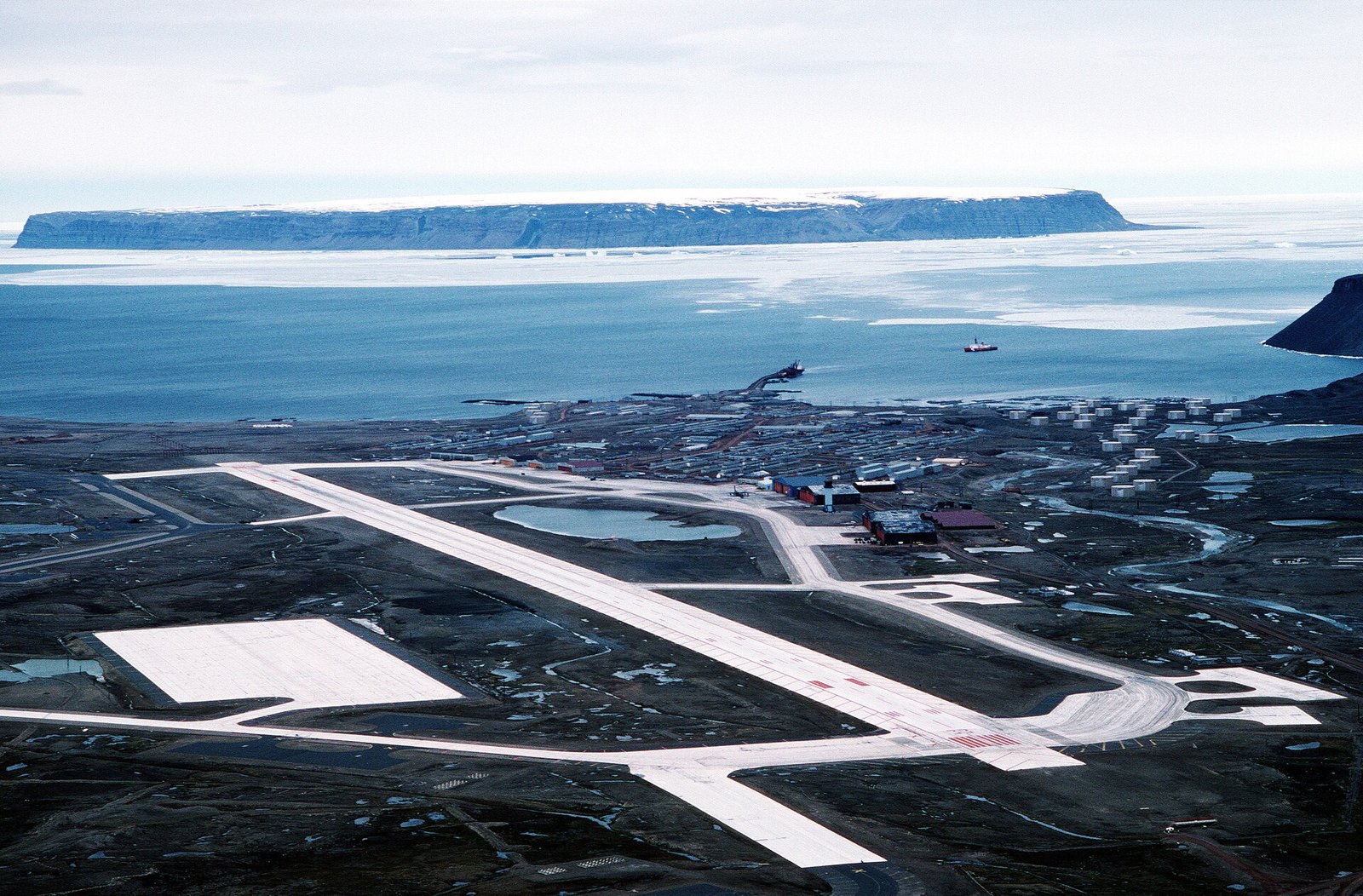
Under the deal, which builds on a defence agreement between the two countries dating back to 1951, the United States will be able to expand its military presence on the island and modernise and expand its activities at Pituffik Space Base in the north-west. Washington will also be able to establish new defence areas at Narsarsuaq in the south and Mestersvig in the east, and to set up additional defence areas in the territory. The agreement permits American military access to Greenland for the proposed Golden Dome missile defence system, and states that only NATO members may establish manned or unmanned military installations on the island.
Crucially for Copenhagen and Nuuk, the text reaffirms Danish sovereignty and Greenlanders’ right to self-determination, and it would continue to apply even if Greenland eventually chooses independence. The signatories will now start work on a new Greenlandic law to screen outside investors on security grounds, as well as on plans for the two new US military areas, Denmark’s Defence Minister Jeppe Bruus told Reuters.
“Today is a big day,” Frederiksen wrote on Facebook. “It hasn’t been an easy process.” She said the agreement respects Denmark’s sovereignty and territorial integrity, and the right of Greenlanders to self-determination. Nielsen said Thursday’s vote proved Greenlanders could stand firm in their rights while finding solutions through dialogue, adding that he hoped the decision would “bring greater calm and a sense of security”.
US Secretary of State Marco Rubio said the deal “will make us all safer, stronger, and more secure”, while the US ambassador to Denmark, Kenneth Howery, called it “a tremendous accomplishment” that bolsters the security of the United States, the Kingdom of Denmark including Greenland, and all of NATO.
The agreement follows a diplomatic crisis within NATO in January, when Trump’s refusal to rule out military or economic force to acquire the mineral-rich, self-governing territory of 57,000 people triggered months of intensive negotiations. Naaja Nathanielsen, a Greenlandic member of the Danish parliament, told Reuters the pressure had led to distrust in Greenland towards the US administration, and that it had “been really difficult for Greenlanders these past two years”.
Some analysts cautioned that the deal is a beginning rather than an end. Mikkel Vedby Rasmussen, a political science professor at the University of Copenhagen, said that with the treaty in hand, the United States would be able to demand greater influence over decisions with security implications and over the extraction of strategic resources. Other experts noted that the agreement does not add much new US military access, since the northernmost US base is already in Greenland, which lies on the shortest route between Europe and North America.
Sources: Reuters (https://www.kz1023.com/2026/11/19/denmark-ratifies-trump-deal-over-greenland/) and Associated Press (https://www.washingtonsun.com/whitehouse/denmark-approves-security-deal-with-us-greenland).