








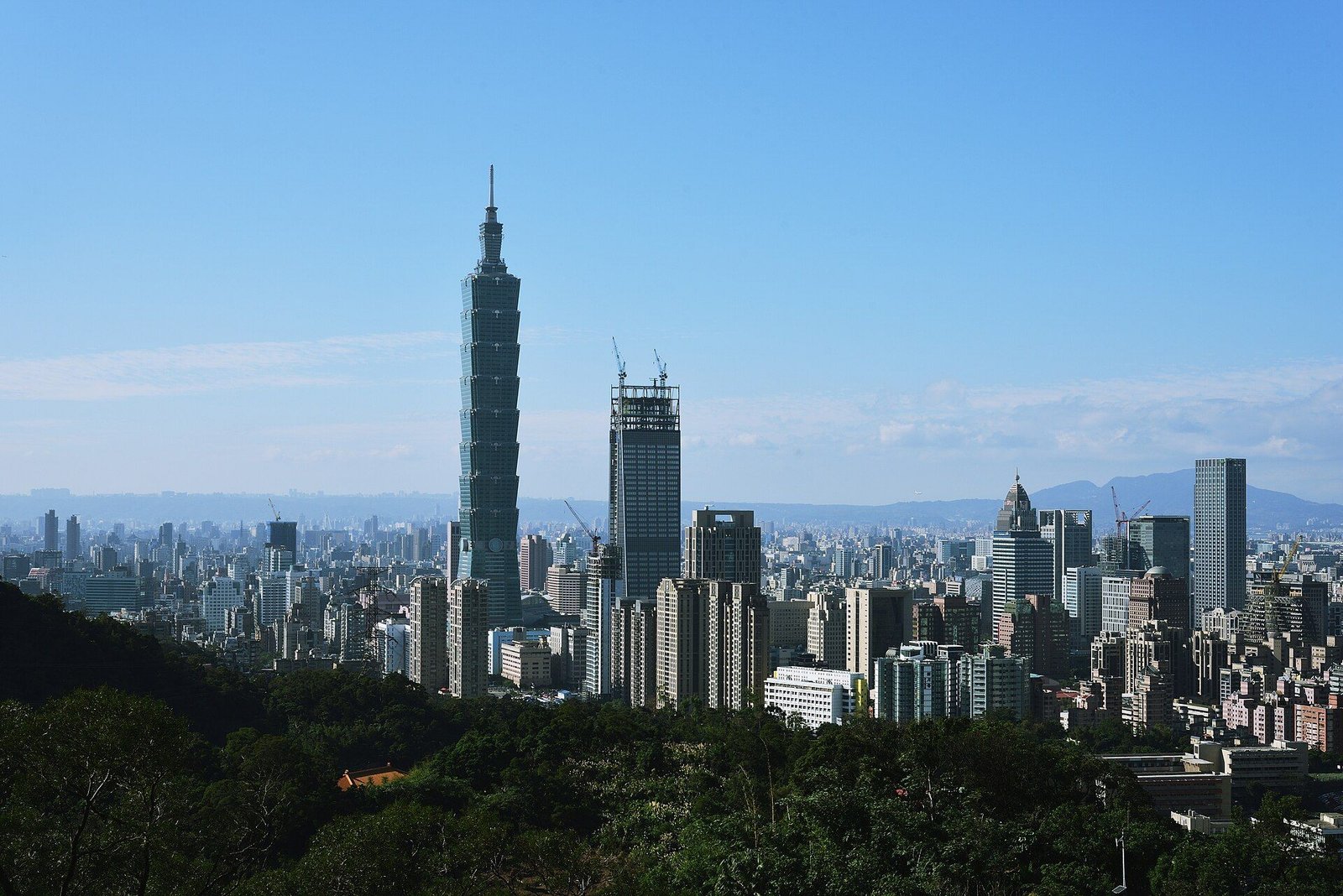
Taiwan’s Financial Supervisory Commission said on Thursday it will tighten short-selling rules for the second time this month, after the benchmark Taiex index fell 4.4% to 38,426.89, extending a sell-off driven by doubts over the sustainability of artificial intelligence spending.
Under the new measures, which take effect on Friday 20 November, intraday orders to sell borrowed shares will be capped at 1% of a stock’s average daily trading volume over the previous 30 days, down from the 3% limit set earlier in November. In addition, any stock that closes down 3.5% or more will not be allowed to be sold short below its previous closing price on the following trading day, whether through margin trading or borrowed securities. The regulator said 1,028 stocks would be covered by the new restriction on its first day.
The Taiex has fallen about 15% so far in November, putting it on course for its worst monthly performance since the 2008 global financial crisis. Thursday’s drop was broad: the smaller-company TPEx index fell 7.22%, Taiwan Semiconductor Manufacturing Company dropped 3.45% and MediaTek lost 5.58%, while 128 listed stocks ended at their daily limit down.
The sell-off reflects growing investor unease about whether the huge capital spending planned by technology companies on artificial intelligence infrastructure will generate sufficient returns, doubts sharpened by the resignation of Nvidia chief executive Jensen Huang last week. Taiwan, the world’s leading producer of advanced chips, is heavily exposed: technology shares account for more than 70% of the Taiex’s weighting.
The regulator insisted that company fundamentals “remain fairly solid”, that listed companies have posted record revenue and that the capital market is resilient, while conceding that “investor confidence is weak”. It said it would keep monitoring international financial conditions and adjust stabilisation measures as appropriate.
The new curbs follow an earlier package announced on 6 November and in force since 9 November, which cut the short-selling cap from 30% to 3% and raised minimum short-sale margin requirements from 90% to 130%. Authorities have also activated the NT$500 billion (about $15 billion) National Financial Stabilization Fund, which can buy shares to support the market. Foreign investors sold a record NT$994 billion of Taiwanese shares in October, with selling continuing into November.
Sources: Reuters (https://www.reuters.com/markets/europe/global-markets-taiwan-update-1-2026-11-19/) and the Taiwan Financial Supervisory Commission announcement, as reported on 19 November 2026.