





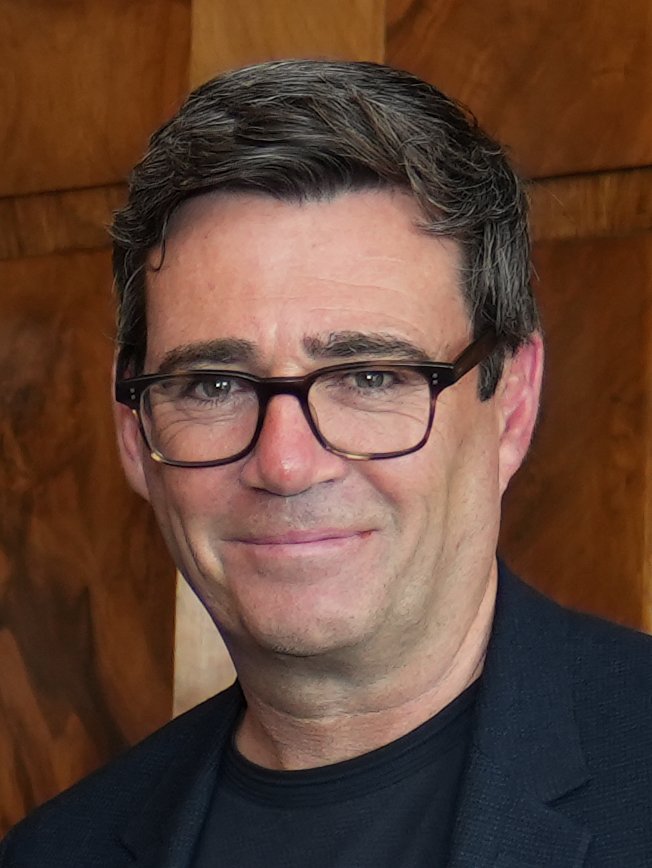
Prime Minister Andy Burnham is in Brussels on Friday for only the second EU-UK summit since Britain left the European Union, with a package of deals on youth mobility, food trade and emissions trading on the table — and a last-minute row over university tuition fees threatening to put the whole agreement on ice.
Burnham was greeted by European Commission President Ursula von der Leyen and European Council President António Costa for just under an hour of talks, followed by a plenary session with UK ministers and European commissioners and a joint press conference expected later in the day.
The deals expected to be signed would let up to 100,000 young Britons aged 18 to 30 live and work in EU countries for up to three years, with the same number of young Europeans able to come to the UK. A food and agriculture deal would end post-Brexit checks on British food exports, with Britain aligning with EU sanitary and phytosanitary rules from March 2028, and an emissions trading agreement is designed to protect heavy industry in both Britain and the EU from being undercut by cheap imports.
Burnham has pitched the package as a way of cutting costs and keeping prices down in the shops, saying it could add around 0.4% to Britain’s economy. “The test for this summit is simple: does it make life better for people in Britain?” he said before travelling. “Britain and Europe share values, interests and a global neighbourhood. In a more dangerous world, we are stronger together.”
The summit is the centrepiece of Burnham’s attempt to reset relations with the EU a decade after the Brexit referendum. He said this week that “the Brexit we were given has not worked. We have lost more than we gained,” and has said all options should be on the table for the future relationship, including rejoining the bloc — while stressing that reversing Brexit is far from imminent and would need the backing of British voters and the unanimous support of EU member states.
But the deal is not yet done. The Times reports that the EU has threatened not to sign the agreement unless Britain agrees that European students should pay the same tuition fees as their UK counterparts — a demand that could yet derail the youth mobility scheme and the wider package. That account, based on an EU source, has not been independently confirmed, and late-night talks in Brussels had already seen the Commission propose pressing ahead with the youth mobility and food deals while the fees question was resolved separately.
Von der Leyen said ahead of the meeting that she wanted “a summit of ambition and concrete results. More opportunities for young people. Easier agrifood trade. And a stronger cooperation on economic security.” Costa said the two sides’ security and prosperity were “closely intertwined”.
The summit was originally planned for July but was postponed after Burnham’s predecessor, Sir Keir Starmer, resigned. The first EU-UK summit was held in London in May 2025. Other commitments expected from Friday’s talks include a Channel action plan to tackle small-boat crossings, closer cooperation on economic security and supply chains, and a new digital partnership.
Reform UK leader Nigel Farage said the summit showed “the great Brexit debate has just started again”, arguing it would soon become a debate about whether Britain rejoins or stays out. EU officials, weary after dealing with seven British prime ministers in a decade, have been reluctant to encourage talk of rejoining and want clarity about what Britain ultimately wants.
Sources: GOV.UK (https://www.gov.uk/government/news/prime-minister-in-brussels-to-deliver-deal-that-cuts-costs-for-britain); Associated Press, via WNCW (https://www.wncw.org/2026-11-20/the-u-k-and-eu-hold-a-rare-summit-to-strengthen-ties); The Times (https://www.thetimes.com/uk/politics/article/eu-summit-andy-burnham-talks-deal-latest-news-7jsw22szs) for the tuition-fee impasse, which is single-sourced and unconfirmed; European Council (https://www.consilium.europa.eu/en/meetings/international-summit/2026/11/20/).