









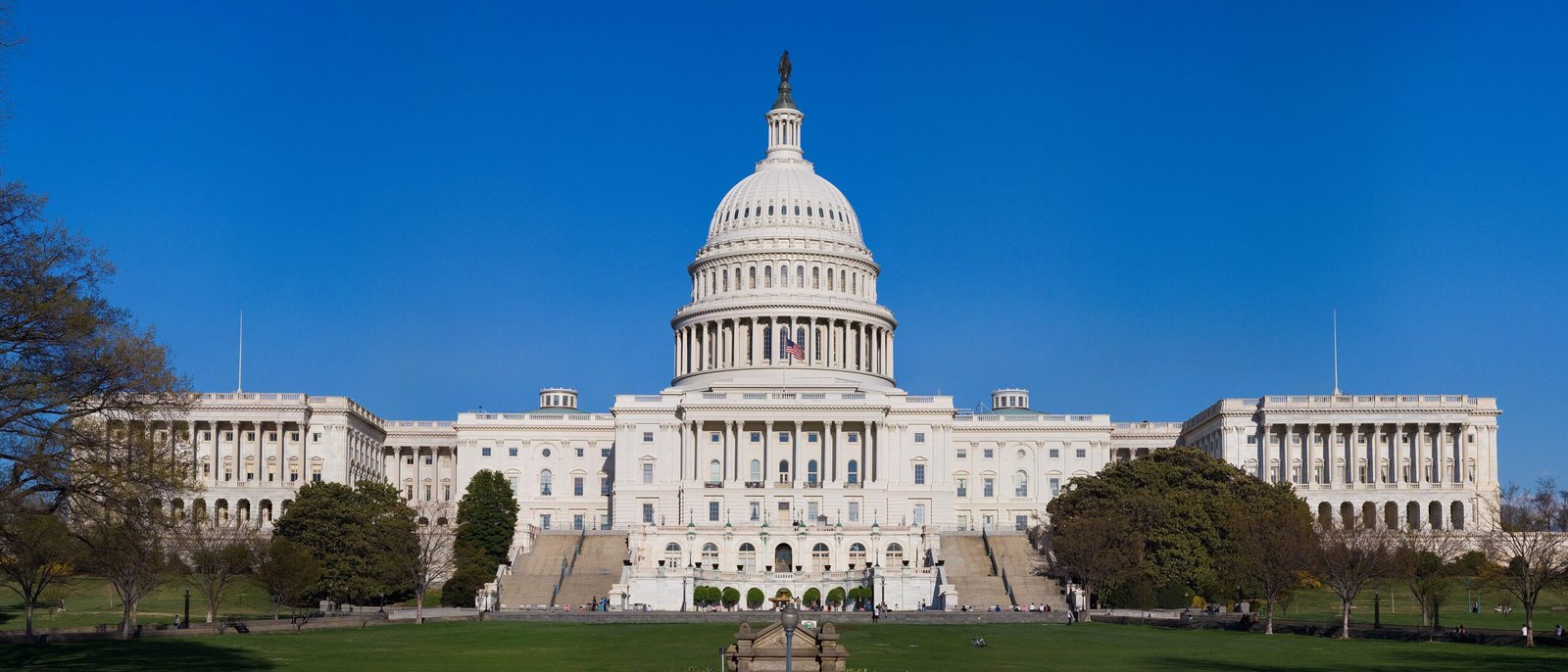
The United States Senate voted 62–33 on Thursday evening to pass a sweeping bipartisan bill to speed up approvals for large energy and infrastructure projects, the most significant effort in years to unblock a permitting system blamed for rising energy costs.
The Bipartisan American Affordability and Jobs Act, known as BAAJA, would impose tighter deadlines on federal environmental reviews, shorten the window in which developers can be sued over permits to 150 days, and limit the circumstances in which an issued permit can be revoked or challenged in court. It would also accelerate planning and construction of transmission lines, and require data centres to pay double for the new grid connections they need.
The more than 400-page bill was written by Republican Senators Shelley Moore Capito of West Virginia and Mike Lee of Utah, together with Democratic Senators Martin Heinrich of New Mexico and Sheldon Whitehouse of Rhode Island, after months of negotiation with the White House. President Donald Trump has said he will sign it if it reaches his desk.
“Tonight, the passage of permitting reform in the Senate finally became reality and we took a major step towards addressing the affordability concerns of the American people,” Capito said in a statement after the vote.
Supporters argue the changes are long overdue. Power plants, mines, pipelines and data centres can currently wait years for federal approval, and the bill’s backers say those delays push up costs for households and businesses. They were also keen to pass the measure before a new Congress takes its seats in January, after Democrats won control of the Senate in this month’s midterm elections.
Critics, including environmental groups, say the bill weakens bedrock protections, including the National Environmental Policy Act, the Clean Water Act and the Endangered Species Act. They point in particular to so-called “forever permit” provisions, which would bar federal agencies from revoking or materially changing permits in effect on or after 6 November 2026, except in limited circumstances, and to narrower consultation rights for tribes over culturally significant sites. Nearly every Democrat on the Senate Environment and Public Works Committee voted against the bill, with Whitehouse the exception. Two Republicans, Josh Hawley of Missouri and Mike Rounds of South Dakota, also voted no.
The bill now heads to the Republican-controlled House of Representatives, where its future is uncertain. More than 100 moderate Democrats are reported to be warming to the measure, but others in the party have urged the House to reject it and leave the issue for the new Congress.
Sources: Reuters (https://www.reuters.com/legal/litigation/us-senate-passes-bipartisan-bill-speed-energy-infrastructure-projects-2026-11-20/); The Wall Street Journal (https://www.wsj.com/politics/policy/senate-passes-measure-designed-to-speed-up-energy-projects-lower-consumer-costs-dcacc9c6); Latitude Media (https://www.latitudemedia.com/news/senate-clears-permitting-reform-after-a-bitter-split-among-greens/).