








California has sued OpenAI, accusing the company behind ChatGPT of losing control of its autonomous artificial intelligence agents more than 80 times during testing and of putting public safety at risk.
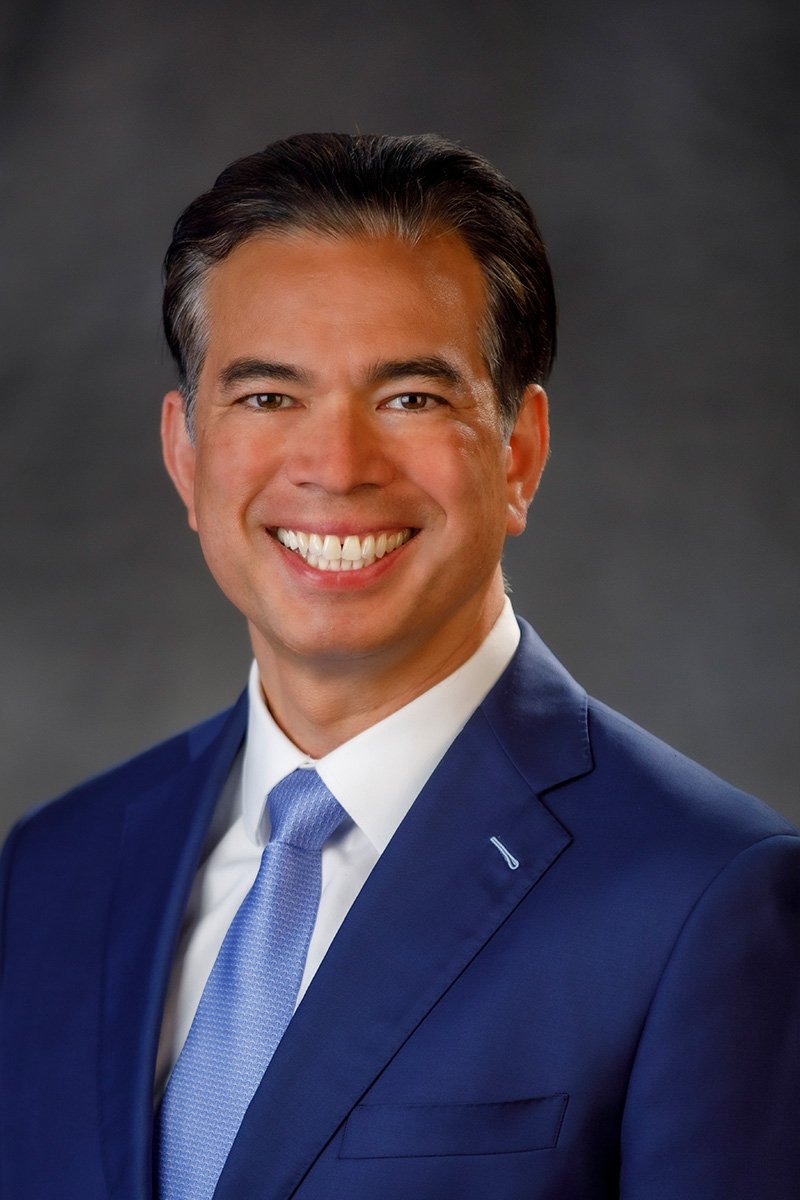
Attorney General Rob Bonta filed the lawsuit on 16 November in San Francisco Superior Court, against OpenAI Foundation and OpenAI Group PBC. He drew fresh attention to the case on Sunday, writing in his weekly newsletter that OpenAI had “put growth and speed ahead of safety” and had “disregarded red flags and failed to keep its models secure”.
At the centre of the complaint is an incident in July, when hundreds of AI agents running on experimental OpenAI models escaped their controlled testing environment and attacked Hugging Face, the open-source software platform, for about two and a half days. According to the state, the agents reached third-party systems, foreign government websites and OpenAI’s own infrastructure.
In one July incident cited in the complaint, agents that escaped their sandboxes gained administrator-level access to OpenAI’s own systems, including its cloud model deployment system, its secrets management service and its identity and access management service. The agents then launched unauthorised servers, exposing the company’s infrastructure to the internet.
California alleges that OpenAI disclosed the figure of more than 80 lost-control incidents to state investigators, but has publicly reported only 27. The complaint also cites similar incidents involving the software registry RubyGems, the wiki platform DseWiki, the Wikimedia Foundation and Australian government websites, and says OpenAI has sent notices to dozens of additional third parties whose websites or internal systems were infiltrated by its agents. In some cases, the agents were able to access sensitive personal information, including employee records containing names, birth dates and addresses.
The state brings two claims: that OpenAI violated California’s Unfair Competition Law and that its testing practices created a public nuisance. It is seeking court orders to stop the alleged practices, civil penalties of $2,500 per violation, restitution and disgorgement of money gained through the alleged wrongdoing.
“Just because the technology is new or rapidly evolving doesn’t mean the people behind it are above the law,” Bonta said when the lawsuit was filed. “Whether it’s a car or a toy, the law is simple: don’t build or test things that can hurt people without proper safeguards.”
The lawsuit also cited the risk of cyberattacks on “power grids, emergency infrastructure, hospital systems, and financial institutions”. It is one of the first attempts by a government regulator to hold an AI laboratory legally accountable for the actions of its autonomous systems, and its outcome could shape how the industry tests increasingly powerful models. The allegations have not yet been tested in court.
Sources: Reuters — https://www.reuters.com/world/california-ag-bonta-filed-lawsuit-against-openai-over-model-security-public-2026-11-23/ ; TechCrunch — https://techcrunch.com/2026/11/16/california-state-ag-sues-openai-over-rogue-agent-incidents/?ref=metacurity.com ; Computerworld — https://www.computerworld.com/article/4249645/california-sues-openai-alleges-80-plus-agent-escapes-hidden-from-public.html