







The NHS has begun inviting the first women to take part in the world’s largest trial of artificial intelligence in breast cancer screening, with nearly 700,000 women expected to take part over the next three years.
The EDITH trial — Early Detection using Information Technology in Health — will run at 30 screening sites across the UK. Recruitment has started at Cambridge University Hospitals, with thousands more women to be invited at further sites in the coming months. It is led by the University of Warwick, the University of Cambridge and Cambridge University Hospitals NHS Foundation Trust, in collaboration with NHS England, and is funded with £10 million through the National Institute for Health and Care Research.
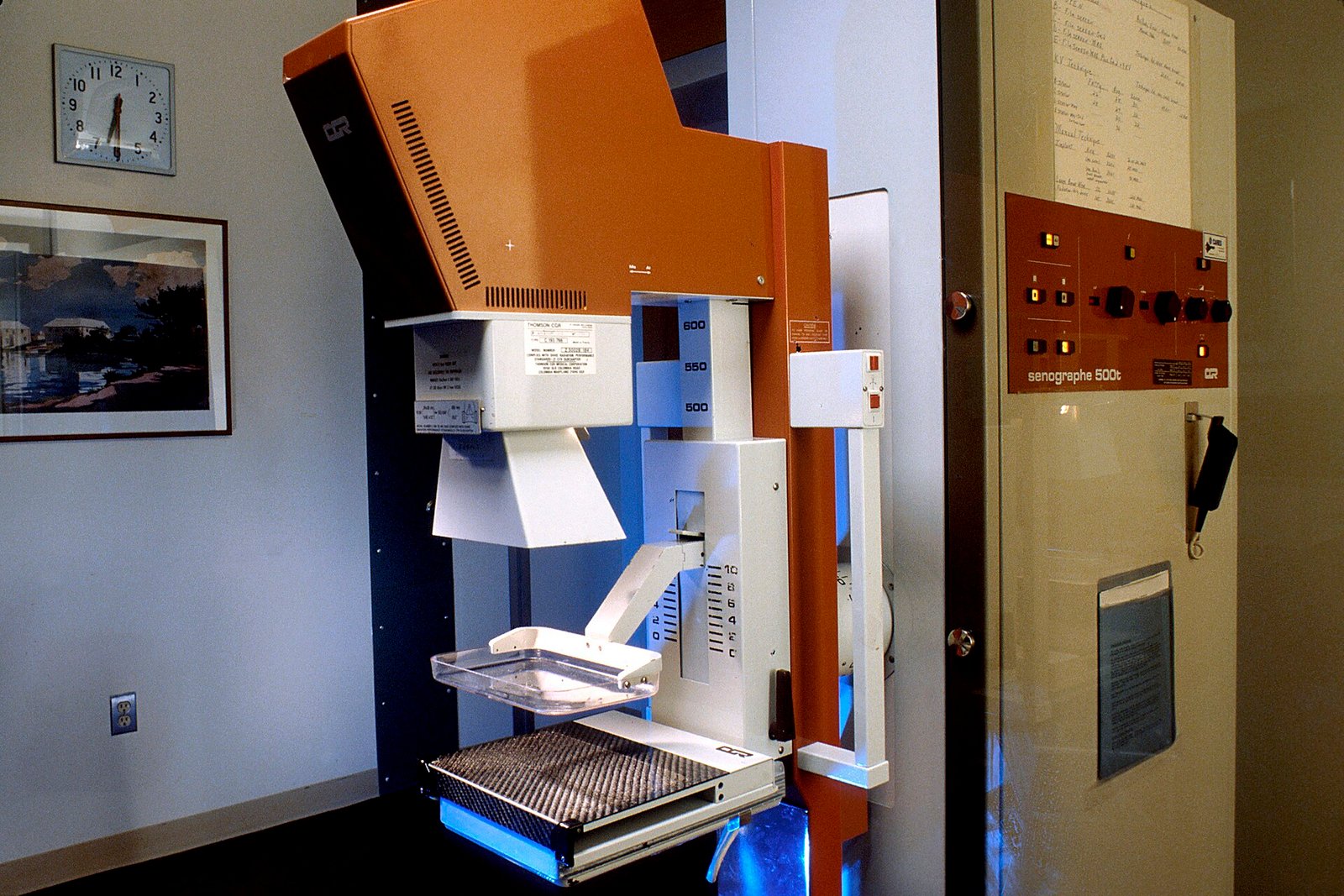
Under the NHS screening programme, women aged 50 to 71 are invited for a mammogram — an X-ray of the breast — every three years. At present, two NHS specialists examine each image. In the trial, artificial intelligence will take the place of one of the two readers for some women, either flagging areas of concern before a specialist looks or checking the images afterwards. Four AI systems are being tested, and all clinical decisions will remain with NHS staff. Women will be told about the trial in their invitation letter and can opt out.
The stakes are high. Around 59,000 cases of breast cancer are diagnosed in the UK each year, and about a third of breast cancers in England are found through screening, most at an early stage. The Royal College of Radiologists has warned of a dire shortage of radiologists, leaving patients facing long, anxious waits for results. NHS figures show 2.75 million women were invited for screening in 2024/25, up 10% on the previous year, and around 70% took up the offer.
Professor Sian Taylor-Phillips of the University of Warwick, who co-leads the trial, said: “AI-assisted technology could support staff by flagging areas of a mammogram where cancer might be missed to improve early cancer detection.” Health Secretary Yvette Cooper, visiting the trial team at Addenbrooke’s Hospital, said: “If successful, this technology could help women get a breast cancer diagnosis and start treatment much more quickly, giving them the best possible chance of recovery.” Professor Kevin Dunbar, deputy director of public health at NHS England, said: “Edith will help build the evidence we need, while ensuring patient safety, quality and the expertise of screening professionals remain at the heart of the programme.”
The trial will not change screening practice overnight. It is expected to run for around three years, and the NHS says it will only adopt AI-assisted reading if the evidence shows it is as safe and effective as current care. Dr Stephen Harden, president of the Royal College of Radiologists, cautioned that the technology would not be a “quick fix” and that more radiologists are still needed.
Sources: NHS England, “First women join world-leading AI-assisted NHS breast screening trial” (https://www.england.nhs.uk/2026/11/first-women-join-world-leading-ai-assisted-nhs-breast-screening-trial/); Sky News, “Major trial to examine if AI can help detect breast cancer earlier” (https://www.kmfm.co.uk/news/uk-news/major-trial-to-examine-if-ai-can-help-detect-breast-cancer-earlier/).