






South Korea moved on Sunday to prepare its stock market stabilisation fund for the first time since the 2008 financial crisis, after a brutal week of selling dragged the KOSPI to its lowest close in ten months.
Finance Minister Lee Hyoung-il chaired an emergency meeting of the country’s top economic officials in Seoul on Sunday, bringing together Bank of Korea Governor Shin Hyun-song and the heads of the Financial Services Commission and the Financial Supervisory Service. The group agreed to begin work immediately on readying the fund so it can be deployed at once if conditions worsen, though no actual injection of money has yet been approved.
The fund, financed by contributions from financial companies and market institutions, buys shares and index products to steady the market in a crisis. It has been used only three times — in 1990, 2003 and 2008 — and its last intervention began in November 2008 with a pool of 515 billion won, running until March 2009. Commitments of 10.76 trillion won were assembled in 2020, 10 trillion won of it from private financial firms, but the money was never spent as markets recovered; preparations in 2022 also ended without a purchase.
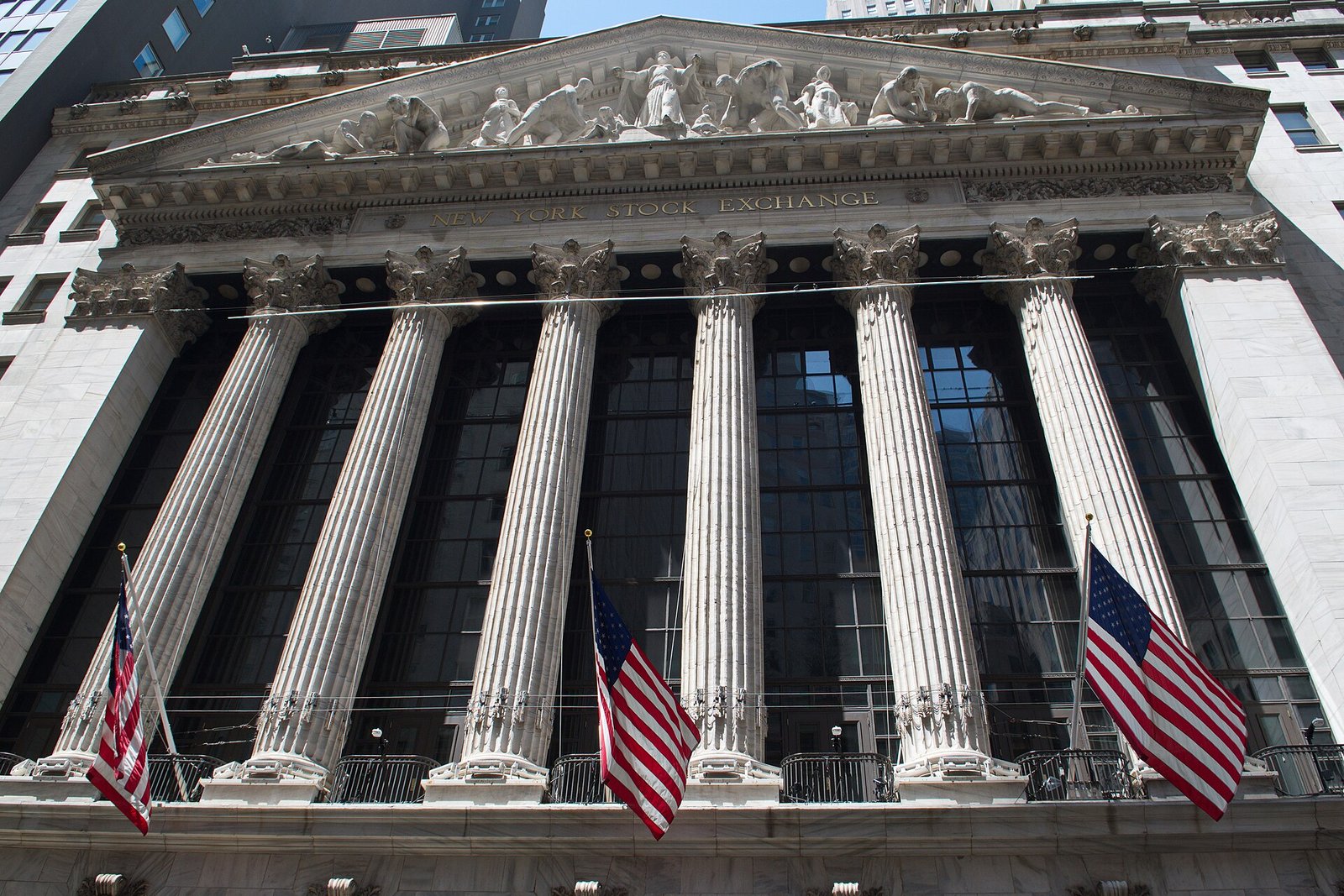
The trigger was Friday’s rout. The KOSPI fell 5.21 per cent to 4,869.96, down 267.93 points and below the 5,000 mark for the first time in three sessions, capping a weekly slide of 7.95 per cent. The index has now fallen by almost half from its mid-June peak above 9,100. When Seoul opened on Monday, the index fell a further 2.8 per cent to 4,734.90, though the losses were held under 3 per cent as the weekend measures steadied nerves and foreign and institutional investors bought from the open.
Officials also unveiled a package of supporting measures. Subject to approval by the Financial Services Commission on Monday, daily limits on share buybacks by listed companies will be eased for three months from Tuesday, while the Financial Supervisory Service and the Korea Exchange will run a three-month crackdown on illegal short selling. Regulators will also step up checks on margin loans and forced sales, and the government plans a Capital Market Reform Task Force.
The meeting followed a sell-off that began on Wall Street, where the Nasdaq dropped 5.28 per cent on Friday and the Philadelphia Semiconductor Index plunged 10.73 per cent. Officials blamed worries over the profitability and financing of the artificial intelligence industry, tighter American regulation of data centres, stronger semiconductor export controls and the prospect of further interest rate rises — while insisting that expectations for the sector’s medium- to long-term growth remained intact and urging investors not to panic.
The scale of the fund is, however, modest beside today’s market. The 10 trillion won pledged in 2020 — roughly $6.8 billion — now amounts to only about 0.24 per cent of the KOSPI’s market capitalisation, which has grown more than fourfold to about 4,147 trillion won. Taiwan announced its own package of market support a day earlier, and the Korea Economic Daily judged Seoul’s measures the weaker of the two.
The Financial Services Commission is due to decide on the buyback easing on Monday, with the Bank of Korea’s policy meeting to follow on Thursday.
Sources: Seoul Economic Daily (https://en.sedaily.com/market/2026/11/22/korea-readies-stock-stabilization-fund-amid-black-monday) and The Global Banker (https://www.theglobalbanker.com/south-korea-readies-its-stock-market-stabilisation-fund-after-the-kospi-falls-5-21/).