



Eighty-five health and environmental organisations have urged the World Health Organization to review its decades-old limit for nitrate in drinking water, arguing that it no longer reflects what scientists now know about long-term exposure.
In an open letter sent on Tuesday, timed to coincide with the WHO’s annual One Health Day, the groups asked the UN health agency to include nitrate in its upcoming review of drinking-water guidelines. The signatories include Greenpeace International and the World Organization of Family Doctors (WONCA).
The current WHO guideline allows up to 50 milligrams per litre of nitrate, equivalent to 11.3 milligrams per litre measured as nitrate-nitrogen. It dates back to 1958 and was set to prevent methaemoglobinaemia in infants, the blood disorder known as “blue-baby syndrome” in which the blood’s ability to carry oxygen is reduced.
The campaigners say the limit has not been updated in response to what they describe as robust epidemiological evidence linking chronic, low-level nitrate exposure to long-term health risks, in particular colorectal cancer and adverse birth outcomes. WONCA chair Pratyush Kumar said studies now link nitrate in drinking water, at levels well below the current WHO limit, to bowel cancer and premature birth.
Nitrate in water is largely a residue of intensive farming, washing from fields and livestock operations into groundwater and rivers. The groups say it is widely recognised as particularly dangerous for children and pregnant women, and that surface-water modelling suggests hundreds of millions of people around the world are exposed to elevated levels.
They point to Denmark as evidence that a tighter standard is workable. An expert panel commissioned by the Danish government last year concluded that the current international standard was insufficient to protect public health and recommended reducing the limit to 6.0 milligrams per litre, nearly ten times below the current WHO benchmark. Denmark committed to the lower level earlier this year.
Greenpeace’s global project lead for agriculture, Amanda Larsson, said water should be life-giving rather than life-threatening, and called on governments to curb the growth of intensive livestock farming while supporting producers in moving to ecological farming practices.
The stakes go beyond one guideline because most national governments base their own drinking-water standards on WHO guidance. The coalition is therefore asking the WHO Secretariat and its Guideline Development Group to formally prioritise nitrate for full evaluation, arguing that an updated standard is vital for wider policy reform.
This article rests on an AFP report and a Greenpeace statement about the open letter. The sources consulted do not report a response from the WHO or any decision to change the guideline, so the letter itself does not change the current limit.
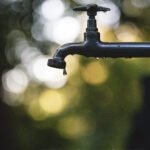
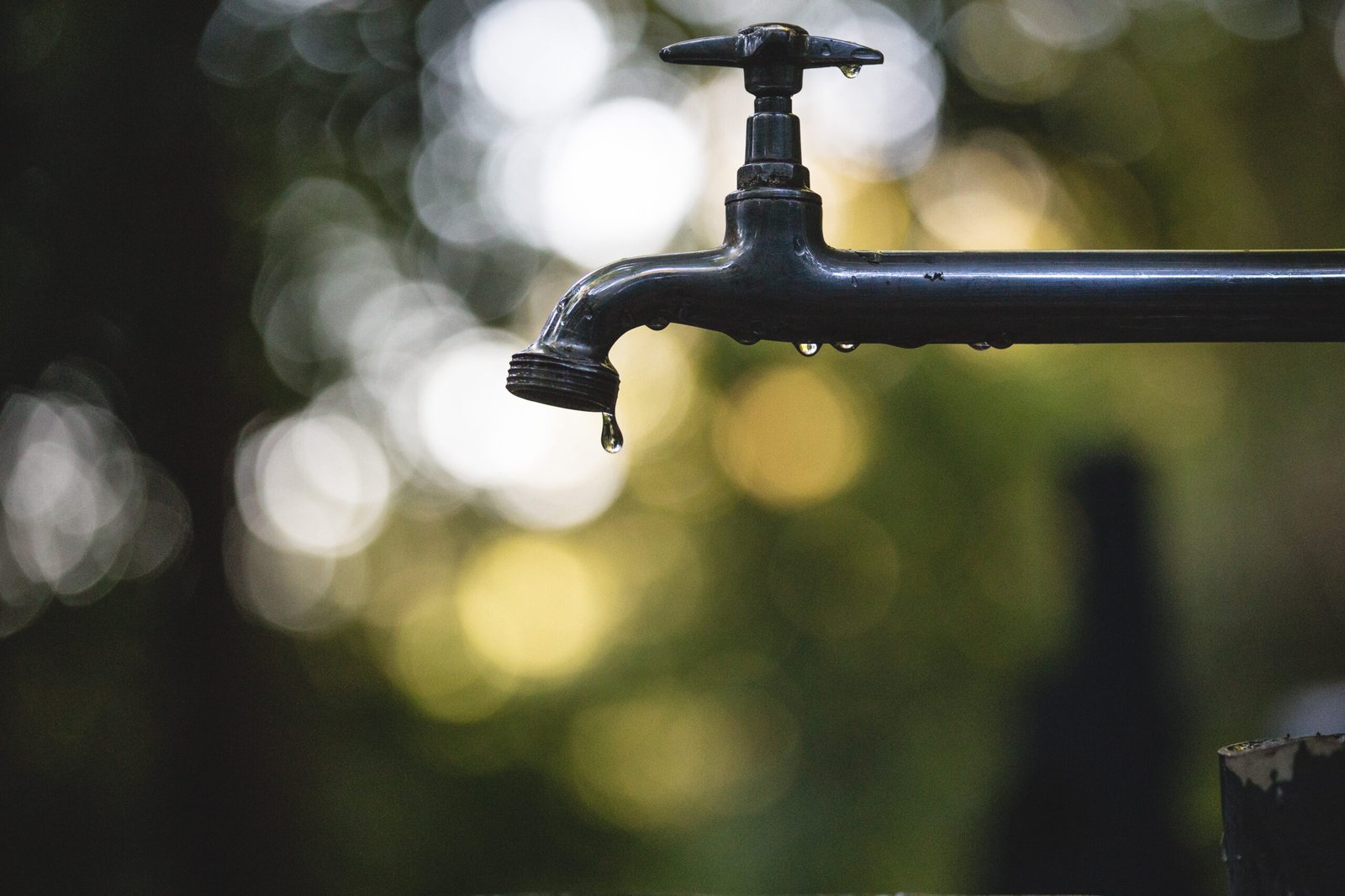
Note: the featured image is a file photo of an outdoor tap in Marília, Brazil, taken in 2017, not a photograph of the WHO or the letter.
Sources: AFP, “WHO urged to review drinking water standards amid nitrate health fears”, 3 November 2026, https://medicalxpress.com/news/2026-11-urged-standards-nitrate-health.html ; Greenpeace Aotearoa, “Greenpeace urges WHO to update decades-old drinking water guidelines over nitrate health risks”, https://www.greenpeace.org/aotearoa/press-release/greenpeace-urges-who-to-update-decades-old-drinking-water-guidelines-over-nitrate-health-risks/