







Afghanistan’s opium production has surged back in 2026, with cultivation rising more than fourfold in a year in the first significant increase since the Taliban banned poppy farming, according to the United Nations Office on Drugs and Crime (UNODC).
The agency’s Afghanistan Opium Survey 2026 estimates that poppy cultivation expanded to 43,300 hectares, up from about 10,200 hectares in 2025 — an increase of about 325 per cent. Estimated opium production climbed almost fivefold, from 296 tonnes to 1,466 tonnes, as better rainfall lifted average yields from 29 kilograms per hectare to 33.8 kilograms.
The rebound ends three years of historically low cultivation following the ban imposed by the Taliban authorities in April 2022, shortly after they returned to power. It remains far below pre-ban levels: in 2022, about 232,000 hectares were under poppy, and Afghanistan had long accounted for roughly 80 per cent of the world’s illicit opium supply.
The geography of the trade has shifted. Cultivation spread to 16 of the country’s 34 provinces, five more than last year, and three-quarters of the total area is now in the north-east, displacing the traditional south-west heartland of Helmand and Kandahar. Badakhshan province alone recorded nearly 29,500 hectares, up 344 per cent on 2025, making it by far the largest growing area.
UNODC says farmers appear to be adapting to enforcement, hiding small plots inside cereal fields or walled compounds and staggering planting and harvesting to avoid detection. The Taliban authorities say they eradicated about 22,000 hectares this year, a figure the agency says it could not independently verify.
The economics help explain why the ban is struggling. Sales of dried opium generated an estimated $525 million for traders inside Afghanistan in 2026, equivalent to 2.7 per cent of national GDP. Prices eased from $570 per kilogramme in 2025 to $500, but remain far above pre-ban levels of under $100, and UNODC warns that large regional price differences may encourage trafficking from the north-east to the south-west.
The survey also raises a wider warning. Traffickers have relied on pre-ban stockpiles to keep supplies moving since 2022, but seizure data suggest those stocks are running down, while early signs point to falling heroin supplies in Europe. With demand holding up and prices high, UNODC says continued monitoring will show whether this year’s jump is temporary or the start of a fuller resurgence.
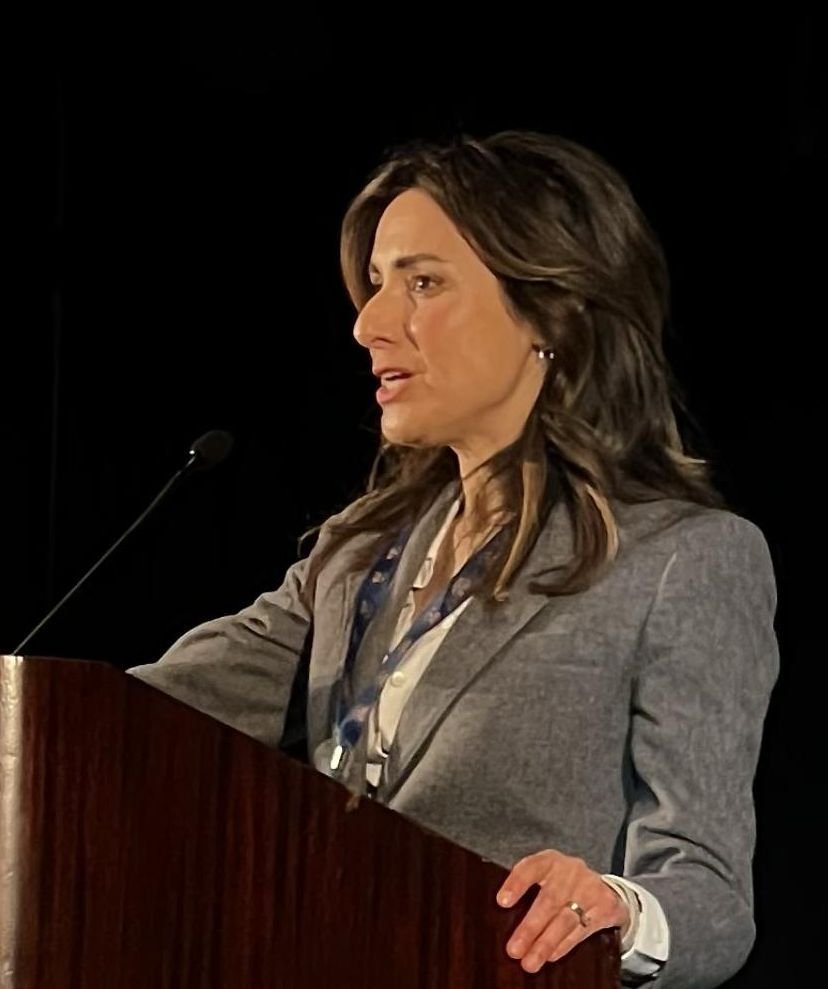
UNODC Executive Director Monica Juma said the increase showed how hard it is to sustain reductions when poor farmers lack alternatives to feed their families, and urged the de facto authorities and the international community to invest together in livelihoods, farm infrastructure and access to markets.
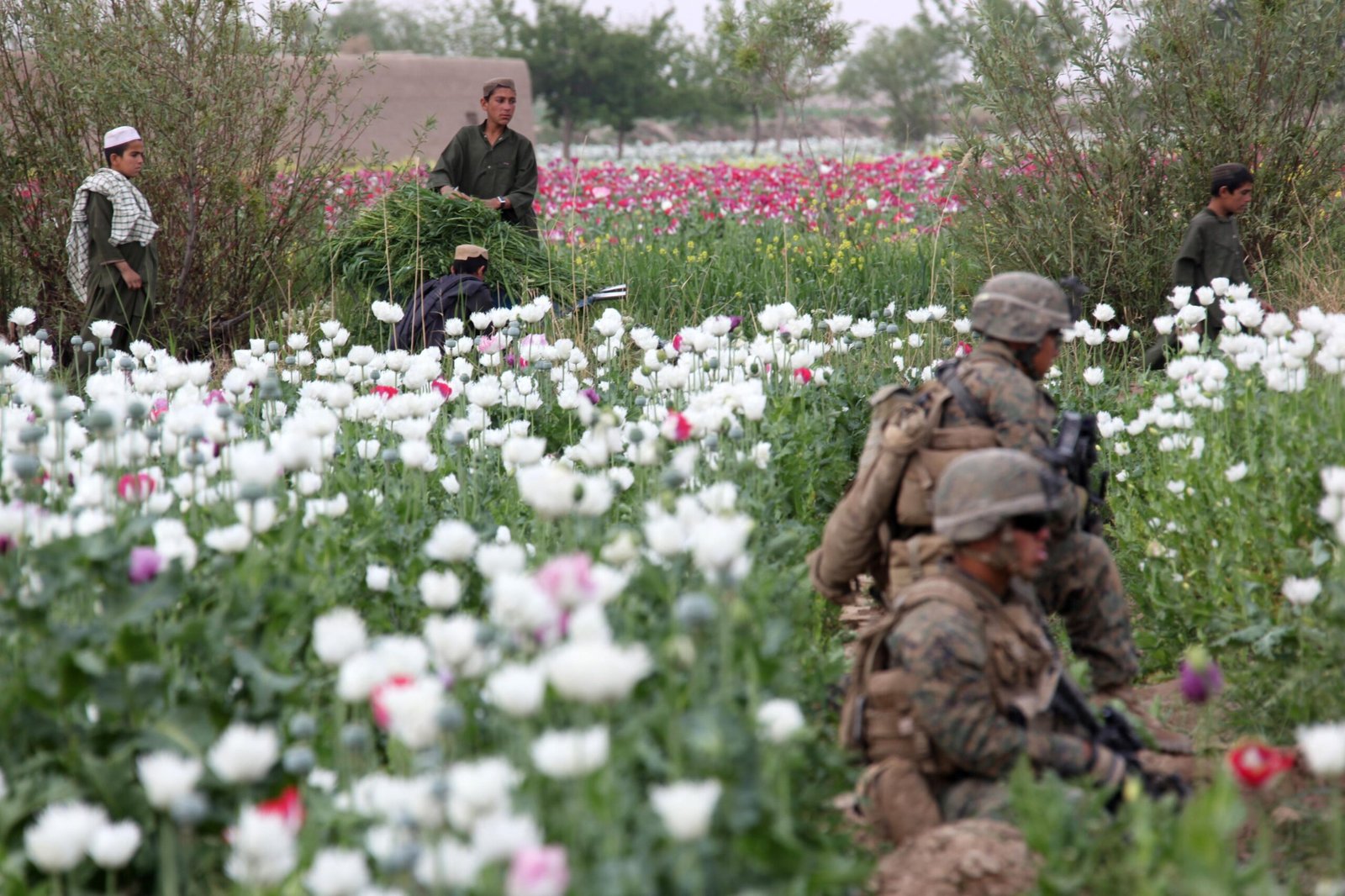
Note: the featured image is a file photo from Helmand province in April 2011, not a photograph of the 2026 crop.
Sources: UN News, “Afghanistan opium production jumps fivefold as farmers find ways round Taliban ban”, 29 October 2026, https://news.un.org/en/story/2026/10/1168697 ; United Nations Office on Drugs and Crime, “New UNODC survey: Afghanistan opium production resumes with fivefold year-on-year increase”, 29 October 2026, https://www.unodc.org/unodc/en/press/releases/2026/October/new-unodc-survey_-afghanistan-opium-production-resumes-with-fivefold-year-on-year-increase.html